


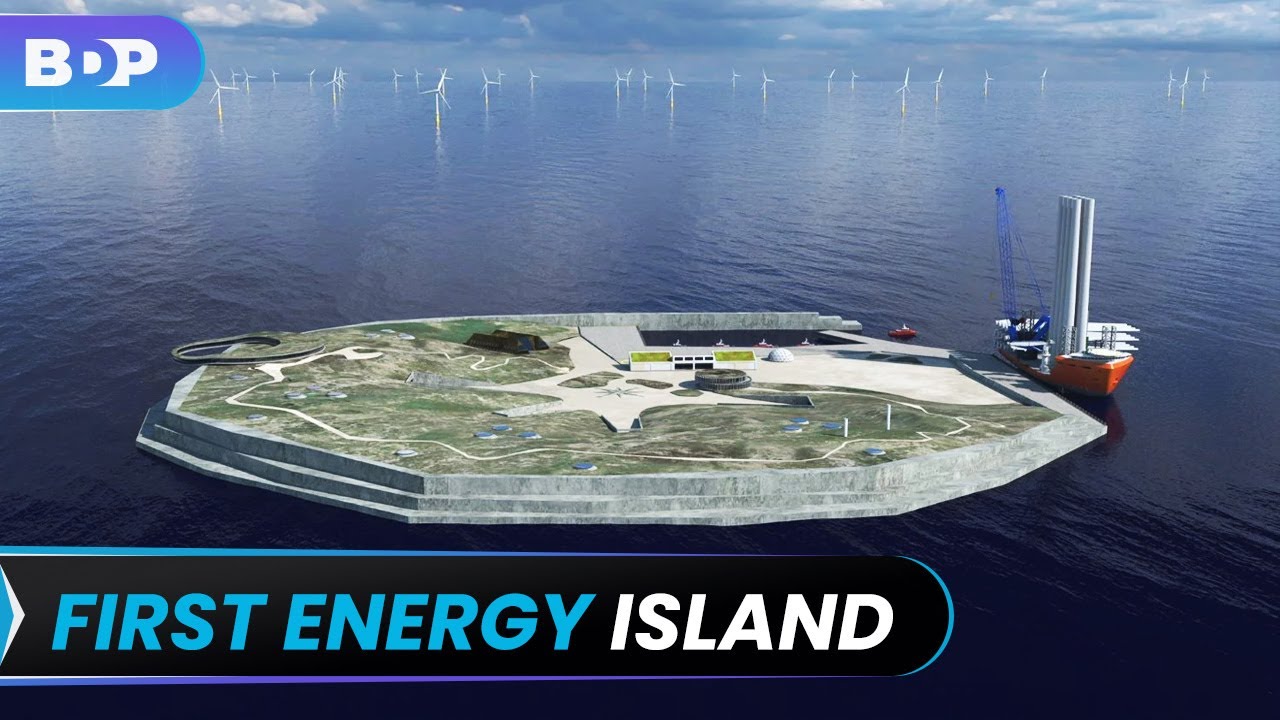
World’s First Green Energy Island: A Landmark in Sustainable Development
Introduction to the Green Energy Island
The world has recently witnessed a significant advancement in sustainable energy solutions with the launch of the world’s first green energy island, located off the coast of the Netherlands. Named Danish Energy Island, this innovative project aims to harness renewable energy while addressing the growing energy needs of the region. The island is designed to support wind energy production and store excess energy, paving the way for a greener future.
Features of the Green Energy Island
The Danish Energy Island is equipped with advanced wind turbines that will generate substantial electricity from renewable sources. The island’s infrastructure is capable of housing up to three gigawatts of offshore wind capacity, with future expansions planned to double this capacity. This ambitious project is expected to provide electricity to over three million households, significantly reducing reliance on fossil fuels and contributing to carbon neutrality goals.
Economic Implications
The development of the Danish Energy Island is expected to create thousands of jobs in the renewable energy sector, boosting the local economy. Furthermore, this project will position the Netherlands as a leader in sustainable energy innovation, attracting investments and partnerships from around the globe. The success of this initiative could inspire similar projects in other regions, fostering a global movement toward renewable energy solutions.
Environmental Impact
The green energy island is designed to minimize its environmental footprint, ensuring that the surrounding marine ecosystems are preserved. The integration of biodiversity-friendly designs and environmental monitoring systems will help mitigate any adverse effects on local wildlife. By prioritizing sustainability, the Danish Energy Island sets a precedent for future energy projects worldwide.
Conclusion
As nations strive for sustainability, the launch of the Danish Energy Island serves as a testament to the potential of innovative solutions in addressing climate change and energy demands. This landmark project highlights the importance of transitioning to renewable energy sources for a sustainable future.
Why This News is Important
A Step Towards Sustainability
The establishment of the world’s first green energy island marks a crucial step in the global transition towards sustainable energy solutions. With climate change posing an existential threat, projects like the Danish Energy Island illustrate how renewable resources can meet the rising energy demands without compromising environmental integrity.
Job Creation and Economic Growth
This initiative is not just an environmental victory; it also holds substantial economic significance. The anticipated job creation in the renewable sector will have positive ripple effects throughout the economy, leading to increased investment and innovation in sustainable technologies.
Global Leadership in Renewable Energy
The Danish Energy Island positions the Netherlands as a leader in the renewable energy sector. By pioneering this innovative project, the country sets an example for other nations to follow, encouraging the global community to invest in clean energy technologies.
Mitigating Climate Change
With renewable energy sources being essential in reducing carbon emissions, this project is vital for combating climate change. The green energy island will play a significant role in the Netherlands’ goal of achieving carbon neutrality, demonstrating the effectiveness of such initiatives.
Potential for Replication
The success of the Danish Energy Island could pave the way for similar projects worldwide. As countries seek to reduce their carbon footprints, this project serves as a model for integrating renewable energy into the energy grid, inspiring global efforts towards sustainability.
Historical Context
Background on Renewable Energy Initiatives
The push for renewable energy has gained momentum over the past few decades, driven by the urgent need to address climate change and the finite nature of fossil fuels. The Paris Agreement in 2015 galvanized global efforts, urging nations to limit global warming and transition to sustainable energy sources.
Advancements in Wind Energy
Wind energy has emerged as one of the fastest-growing renewable energy sources, with significant technological advancements enhancing its efficiency and cost-effectiveness. The establishment of offshore wind farms has expanded the possibilities for harnessing wind energy on a larger scale, paving the way for innovative projects like the Danish Energy Island.
The Role of Government and Private Sector
The successful development of renewable energy projects often hinges on collaborative efforts between governments and private entities. Public policies, financial incentives, and technological innovations are crucial for driving the renewable energy agenda, as demonstrated by the partnership in creating the Danish Energy Island.
Key Takeaways from “World’s First Green Energy Island”
| S.No | Key Takeaway |
|---|---|
| 1 | The Danish Energy Island is the world’s first green energy island, focusing on renewable energy solutions. |
| 2 | It has the potential to generate up to three gigawatts of offshore wind capacity, powering over three million households. |
| 3 | The project is expected to create thousands of jobs in the renewable energy sector. |
| 4 | Environmental safeguards will be implemented to protect marine ecosystems surrounding the island. |
| 5 | The success of this initiative may inspire similar renewable energy projects globally. |
Important FAQs for Students from this News
1. What is the Danish Energy Island?
The Danish Energy Island is the world’s first green energy island, located off the coast of the Netherlands, designed to harness renewable energy through advanced wind turbines.
2. How much electricity will the island generate?
The Danish Energy Island is expected to have a capacity of up to three gigawatts of offshore wind energy, sufficient to power over three million households.
3. What are the environmental benefits of the Danish Energy Island?
The project aims to reduce reliance on fossil fuels, minimize carbon emissions, and incorporate biodiversity-friendly designs to protect marine ecosystems.
4. How will the Danish Energy Island impact the local economy?
The project is expected to create thousands of jobs in the renewable energy sector and attract investments, thus boosting the local and national economy.
5. Can the model of the Danish Energy Island be replicated in other countries?
Yes, the success of the Danish Energy Island could inspire similar renewable energy projects globally, promoting the transition to sustainable energy solutions.
Some Important Current Affairs Links




