







FIFA 2026 mascots Clutch, Maple, and Zayu unveiled! Learn about their cultural significance, host countries, and role in digital platforms for students preparing for exams.
🦅 Clutch, Maple & Zayu: The Official Mascots of FIFA World Cup 2026
Introduction to the 2026 FIFA World Cup Mascots
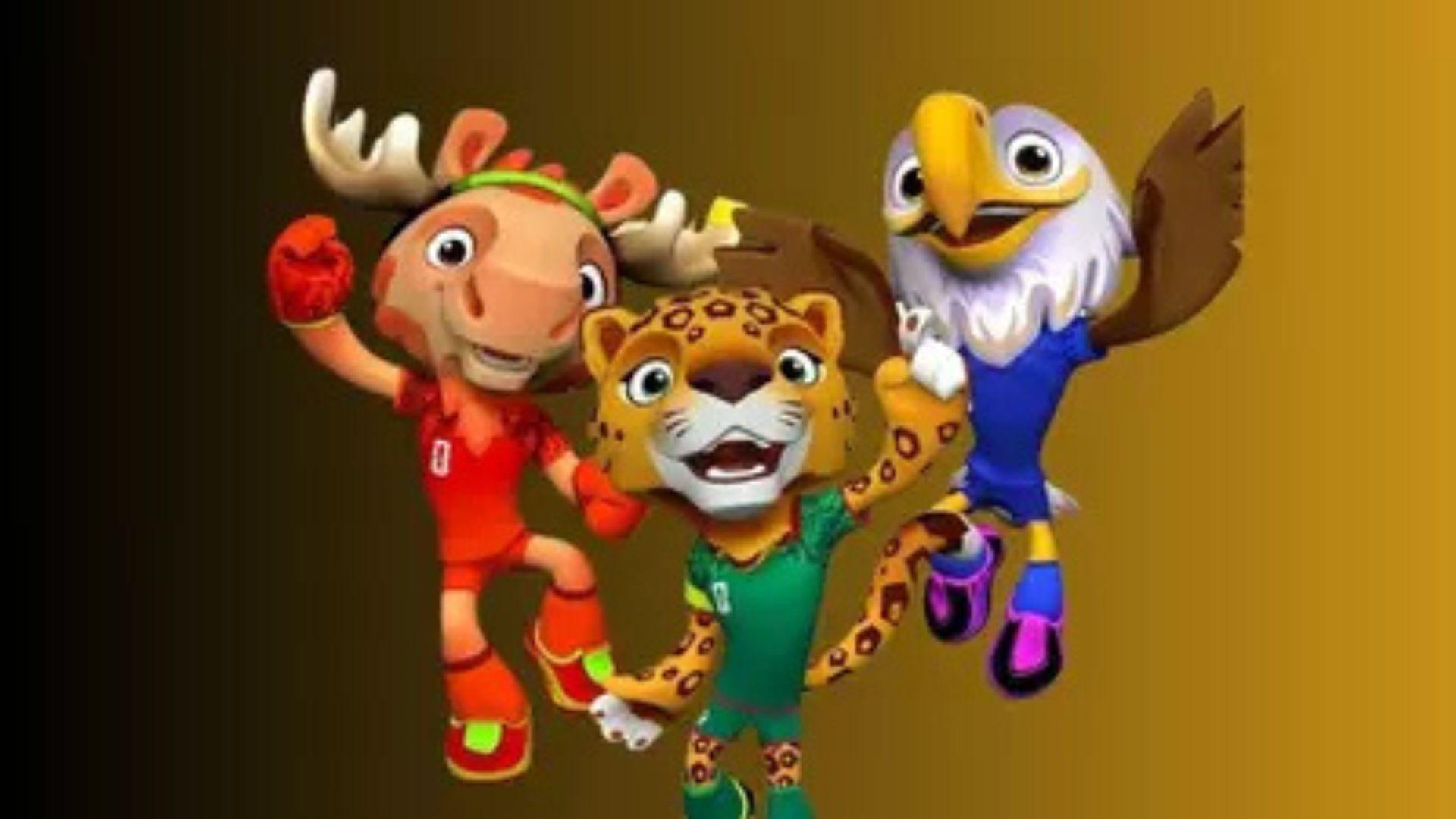
The 2026 FIFA World Cup, co-hosted by the United States, Canada, and Mexico, has unveiled its official mascots: Clutch the Bald Eagle, Maple the Moose, and Zayu the Jaguar. Each mascot represents one of the host nations, embodying their unique cultures and values.
Clutch the Bald Eagle (United States)
Clutch is designed as a charismatic midfielder, symbolizing the American spirit of courage, leadership, and unity. The bald eagle, a national emblem of the U.S., reflects freedom and strength. Clutch’s character aims to inspire fans with optimism and adventurous energy.
Maple the Moose (Canada)
Maple serves as the goalkeeper of the trio, representing Canada’s creativity and resilience. Dressed in red, Maple draws inspiration from the maple leaf, the national symbol of Canada. The moose, a prominent figure in Canadian wildlife, adds a touch of artistic flair and cultural pride.
Zayu the Jaguar (Mexico)
Zayu is portrayed as a striker, embodying Mexico’s rich heritage and cultural pride. The jaguar, revered in Mesoamerican civilizations, symbolizes strength, agility, and joy. Zayu’s character reflects the passion and energy of Mexican football.
Significance of the Mascots
These mascots are more than just symbols; they are designed to engage younger audiences and heighten global excitement for the tournament. They will feature prominently throughout the World Cup, including in stadiums, fan zones, and merchandise. For the first time, they will also be playable characters in the arcade-style video game “FIFA Heroes,” and will appear in Roblox’s “FIFA Super League Soccer,” extending their reach into gaming culture.
📌 Why This News is Important
Cultural Representation
The unveiling of Clutch, Maple, and Zayu highlights FIFA’s commitment to cultural representation. Each mascot reflects the unique identity and values of its respective host nation, promoting diversity and inclusivity on a global stage.
Educational Value
For students preparing for government exams, understanding the symbolism behind these mascots provides insights into cultural studies and international relations. It also offers an opportunity to explore the role of sports in fostering national pride and unity.
Impact on Youth Engagement
The integration of these mascots into digital platforms like “FIFA Heroes” and Roblox’s “FIFA Super League Soccer” demonstrates the evolving landscape of sports marketing. It underscores the importance of digital literacy and the influence of gaming in modern education and entertainment.
Global Unity Through Sports
The mascots’ emphasis on unity and shared passion for football aligns with the broader theme of the 2026 World Cup: bringing together nations through sport. This concept is valuable for students to understand the unifying power of global events.
Relevance to Current Affairs
As the 2026 World Cup approaches, discussions around its mascots and their significance are pertinent to current affairs. This topic is relevant for students to stay informed about global events and their cultural implications.
🕰 Historical Context
The tradition of World Cup mascots began in 1966 with “World Cup Willie,” a lion that symbolized the tournament held in England. Since then, each World Cup has introduced its own mascot, reflecting the host country’s culture and values. The 2026 World Cup marks the first time the tournament will be co-hosted by three nations: the United States, Canada, and Mexico. The introduction of three mascots—each representing one of the host nations—continues this tradition while highlighting the collaborative spirit of the 2026 World Cup.
📊 Key Takeaways from “Clutch, Maple & Zayu: The Official Mascots of FIFA World Cup 2026”
| # | Key Takeaway |
|---|---|
| 1 | Clutch, Maple, and Zayu are the official mascots for the 2026 FIFA World Cup. |
| 2 | Each mascot represents one of the host nations: Clutch (USA), Maple (Canada), Zayu (Mexico). |
| 3 | The mascots embody the cultural identities and values of their respective countries. |
| 4 | They will appear in various promotional activities, merchandise, and digital platforms. |
| 5 | The 2026 World Cup will be the first to be co-hosted by three nations. |
FAQs: Frequently Asked Questions
1. Who are the official mascots of the 2026 FIFA World Cup?
The official mascots are Clutch (USA), Maple (Canada), and Zayu (Mexico).
2. What does Clutch represent?
Clutch is a bald eagle representing the United States, symbolizing freedom, leadership, and courage.
3. What is the significance of Maple the Moose?
Maple symbolizes Canada’s creativity and resilience, inspired by the maple leaf, the national emblem, and Canadian wildlife.
4. Why was Zayu chosen as a mascot for Mexico?
Zayu is a jaguar representing Mexico, reflecting strength, agility, cultural heritage, and Mesoamerican traditions.
5. How will the mascots be used during the 2026 World Cup?
They will appear in stadiums, fan zones, merchandise, digital platforms, and games like FIFA Heroes and Roblox’s FIFA Super League Soccer.
6. When did the tradition of FIFA World Cup mascots begin?
It began in 1966 with “World Cup Willie,” a lion mascot for the England World Cup.
7. Why are mascots important for the World Cup?
Mascots help in cultural representation, youth engagement, marketing, and creating global awareness and excitement about the tournament.
8. How many countries are co-hosting the 2026 FIFA World Cup?
Three countries: United States, Canada, and Mexico.
9. What role do mascots play in digital games?
They increase fan interaction, appear as playable characters, and help engage younger audiences digitally.
10. What is unique about the 2026 FIFA World Cup mascots?
It is the first World Cup with three official mascots, representing each co-host nation.
Some Important Current Affairs Links