

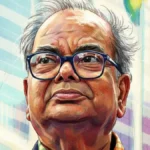








Duma Boko Elected as the New President of Botswana
In a significant political development, Duma Boko has been elected as the new President of Botswana following the general elections held on October 24, 2024. Boko, the leader of the opposition party, the Umbrella for Democratic Change (UDC), emerged victorious, marking a pivotal shift in the country’s political landscape. This election was closely monitored as it reflected the growing demands for change among the citizens who have expressed dissatisfaction with the long-standing governance of the Botswana Democratic Party (BDP).
A Historic Win for Opposition
Duma Boko’s victory signifies not just a personal achievement but also a broader movement toward democratic reform in Botswana. His party, the UDC, campaigned on promises of improved governance, economic revitalization, and enhanced public service delivery. The elections saw a record voter turnout, showcasing the electorate’s engagement and desire for a transformative political narrative. This shift from a party that has held power for over 50 years underscores the changing political sentiments in Botswana.
PM Modi Extends Congratulations
Indian Prime Minister Narendra Modi extended his congratulations to Duma Boko following his election win. In a message posted on social media, PM Modi emphasized the strong ties between India and Botswana, expressing hope for enhanced cooperation in various sectors, including trade, technology, and education. This diplomatic gesture highlights the importance of international relations and the potential for mutual growth between the two nations under Boko’s leadership.
Challenges Ahead for the New President
While Boko’s election represents a hopeful change, he faces significant challenges ahead. Addressing high unemployment rates, improving healthcare and education systems, and managing the economy will be crucial for his administration. Additionally, Boko will need to unite a diverse population with varying expectations and aspirations, striving to implement the reforms promised during his campaign. His ability to navigate these challenges will be pivotal in determining the success of his presidency and the future trajectory of Botswana.
Conclusion
Duma Boko’s election as the President of Botswana is a historic moment that reflects the democratic aspirations of the citizens. With support from international allies like India, the new government has the potential to foster significant developments in Botswana, provided it effectively addresses the pressing issues facing the nation.
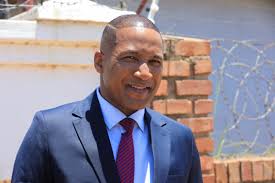
Why This News is Important
Political Change and Democratic Aspirations
The election of Duma Boko as the new President of Botswana is significant as it marks a departure from decades of governance by the Botswana Democratic Party. This shift reflects the growing aspirations for democratic reforms and the electorate’s desire for change. Such political transitions are crucial in strengthening democratic institutions and encouraging active citizen participation in governance.
Strengthening International Relations
Prime Minister Modi’s congratulatory message to President Boko highlights the importance of international relations. Strengthening ties between India and Botswana can lead to enhanced collaboration in various sectors, such as trade and education. For students preparing for government exams, understanding the implications of international diplomacy in national governance is vital.
Youth Engagement in Politics
The high voter turnout during the elections indicates increased engagement among the youth in political processes. This trend is essential for future democratic practices in Botswana and serves as a lesson for other nations on the importance of youth participation in shaping political landscapes.
Historical Context
Political Landscape of Botswana
Botswana has been a stable democracy since its independence in 1966. The Botswana Democratic Party (BDP) has dominated the political scene for over five decades, making Duma Boko’s election a historic shift. The UDC, which Boko leads, was formed in 2012 to provide a viable alternative to the BDP and has gradually gained popularity among voters disillusioned with the ruling party’s policies. The recent elections signify a crucial moment in Botswana’s history, showcasing the electorate’s readiness to embrace change.
Recent Elections and Voter Sentiment
The general elections held on October 24, 2024, were pivotal, with a focus on economic issues, governance, and service delivery. The rise in voter turnout indicates a growing consciousness among the citizens, reflecting their eagerness to participate in the democratic process. Such developments set the stage for a potential transformation in the political dynamics of the country.
Key Takeaways from Duma Boko’s Election
| Serial Number | Key Takeaway |
|---|---|
| 1 | Duma Boko has been elected as the new President of Botswana. |
| 2 | Boko’s victory represents a shift from decades of BDP governance. |
| 3 | PM Modi extended his congratulations, highlighting India-Botswana relations. |
| 4 | The election saw record voter turnout, indicating strong public engagement. |
| 5 | Boko faces challenges in addressing economic and social issues in Botswana. |
Important FAQs for Students from this News
Q1: Who is Duma Boko?
A1: Duma Boko is the newly elected President of Botswana, representing the Umbrella for Democratic Change (UDC). He won the general elections held on October 24, 2024.
Q2: What does Boko’s election signify for Botswana?
A2: Boko’s election marks a historic shift in Botswana’s political landscape, ending over 50 years of governance by the Botswana Democratic Party (BDP) and reflecting the electorate’s desire for change and democratic reforms.
Q3: What were the main campaign promises of Duma Boko?
A3: Boko’s campaign focused on improving governance, revitalizing the economy, and enhancing public services such as healthcare and education.
Q4: How did international leaders react to Boko’s election?
A4: Indian Prime Minister Narendra Modi extended his congratulations to Duma Boko, emphasizing the strong ties between India and Botswana and the potential for enhanced cooperation.
Q5: What challenges does Duma Boko face as President?
A5: Boko faces challenges such as addressing high unemployment rates, improving the healthcare and education systems, and uniting a diverse population with varying expectations.
Some Important Current Affairs Links