










Dubai driverless transport corridor is set to launch by 2026, featuring RoboTaxis, RoboBuses, autonomous abras, and delivery robots to boost urban mobility and sustainability.
🚖 Dubai’s Vision: A 15 km Driverless Transport Corridor by 2026
Introduction to Dubai’s Autonomous Transport Initiative
Dubai is set to revolutionize urban mobility with the introduction of a 15-kilometer dedicated corridor for driverless vehicles and marine transport, known as the Dubai Autonomous Zone (DAZ). This initiative, announced by the Roads and Transport Authority (RTA), aims to become operational in early 2026
Key Features of the Dubai Autonomous Zone
The DAZ will span across three major areas: Al Jaddaf Metro Station, Dubai Creek Harbour, and Dubai Festival City. Within this zone, commuters will have access to a seamless network of self-driving options, including:
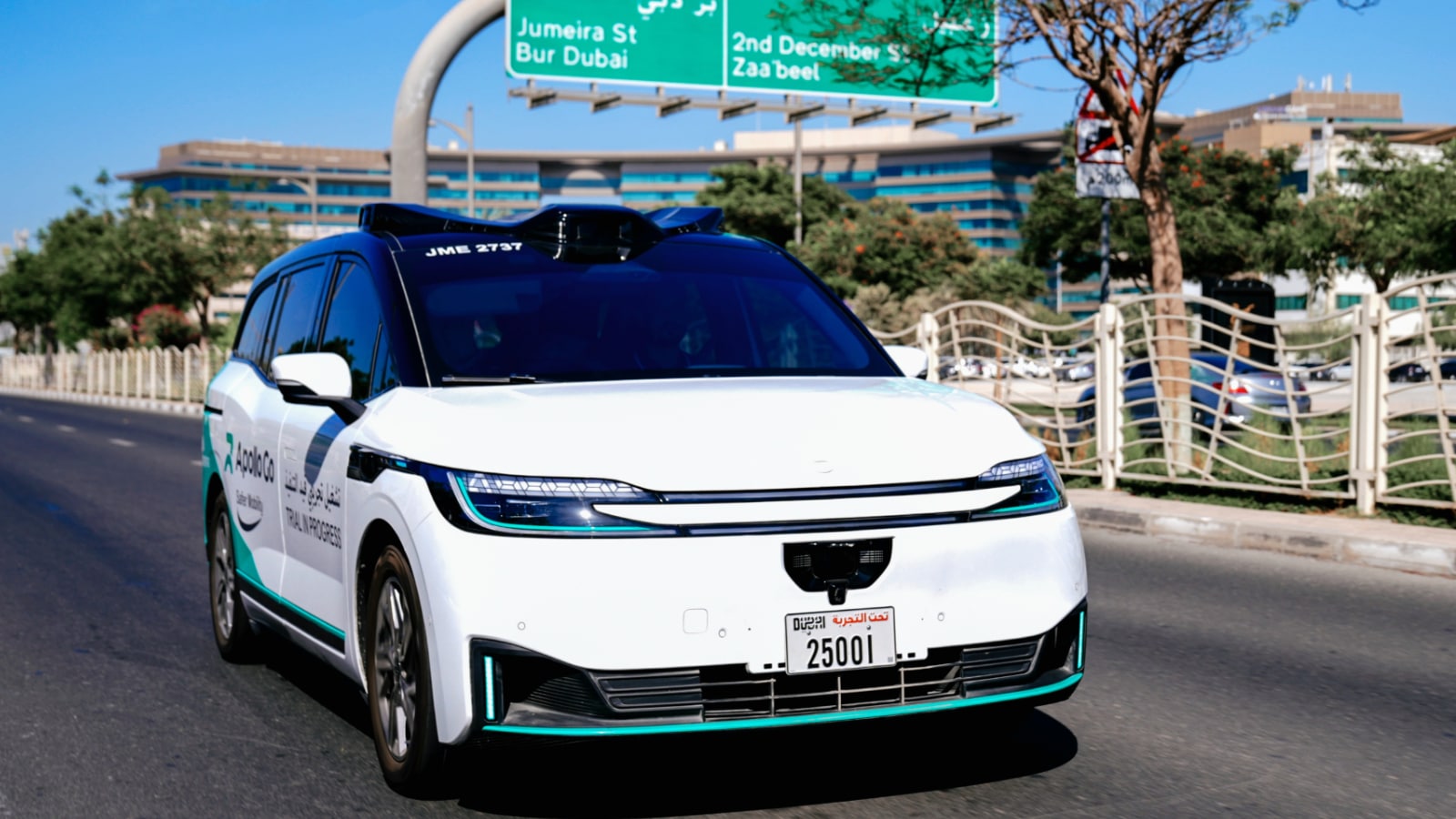
- RoboTaxis: Driverless taxis offering point-to-point services.
- RoboBuses and Shuttles: Autonomous buses covering dedicated routes.
- Autonomous Abras: Driverless boats for water crossings.
- Delivery Robots: Automated systems for last-mile deliveries.
- Logistics Vehicles and Road-Sweeping Bots: Autonomous vehicles for goods transportation and street cleaning.
These services aim to provide a comprehensive, efficient, and eco-friendly transportation network for residents and visitors
Timeline and Implementation
Pilot trials for RoboTaxis are scheduled to commence by the end of 2025, with public services expected to roll out in the first quarter of 2026. The RTA plans to have 1,000 autonomous vehicles operational by 2028
📌 Why This News Is Important
Advancements in Urban Mobility
Dubai’s initiative marks a significant step towards modernizing urban transportation. By integrating autonomous vehicles into the public transport system, the city aims to enhance efficiency, reduce traffic congestion, and provide residents with innovative mobility solutions.
Environmental Impact
The shift to electric, driverless vehicles aligns with Dubai’s commitment to sustainability. By reducing reliance on traditional fuel-powered vehicles, the initiative is expected to lower carbon emissions and contribute to cleaner air quality in urban areas.
Economic Implications
The development of the DAZ is anticipated to boost Dubai’s economy by attracting investments in technology and infrastructure. Additionally, the project is expected to create job opportunities in sectors related to autonomous vehicle technology, data analysis, and urban planning.
Technological Innovation
Collaborations with global tech companies, such as Baidu’s Apollo Go, WeRide, and Pony.ai, underscore Dubai’s role as a hub for technological innovation. These partnerships bring advanced autonomous driving technologies to the city’s transport network, ensuring high safety and efficiency standards
Alignment with Global Trends
Dubai’s push towards autonomous transport aligns with global trends in smart city development. Many cities worldwide are exploring similar initiatives to modernize their transport systems, making Dubai’s project a noteworthy example of forward-thinking urban planning.
🕰️ Historical Context
Early Developments in Dubai’s Transport Sector
Dubai has a history of embracing innovative transportation solutions. The city’s Metro system, operational since 2009, was one of the first fully automated metro systems in the world. This early adoption of automation laid the groundwork for subsequent initiatives in autonomous transport.
Global Trends in Autonomous Vehicles
The global push towards autonomous vehicles gained momentum in the early 21st century, with companies like Tesla, Waymo, and Baidu leading the charge. Governments worldwide began investing in infrastructure and regulatory frameworks to support the integration of autonomous vehicles into public transport systems.
Dubai’s Strategic Vision
In line with its vision to become a global leader in innovation, Dubai launched the Smart Self-Driving Transport Strategy in 2016. The strategy aimed to convert 25% of all trips in Dubai to autonomous journeys by 2030. The introduction of the DAZ is a significant step towards achieving this goal
✅ Key Takeaways from Dubai’s Autonomous Transport Initiative
| S.No | Key Takeaway |
|---|---|
| 1 | Dubai plans to launch a 15 km corridor for driverless transport by 2026. |
| 2 | The Dubai Autonomous Zone will include RoboTaxis, RoboBuses, and autonomous abras. |
| 3 | Pilot trials for RoboTaxis are set to begin by the end of 2025. |
| 4 | The initiative aims to have 1,000 autonomous vehicles operational by 2028. |
| 5 | Collaborations with global tech companies like Baidu and Pony.ai are integral to the project. |
FAQs: Frequently Asked Questions
1. What is the Dubai Autonomous Zone (DAZ)?
The Dubai Autonomous Zone is a 15-kilometer dedicated corridor for driverless vehicles and marine transport, including RoboTaxis, RoboBuses, autonomous abras, and delivery robots. It is expected to be operational by early 2026.
2. Which areas will the Dubai Autonomous Zone cover?
The DAZ will span three major areas: Al Jaddaf Metro Station, Dubai Creek Harbour, and Dubai Festival City.
3. When will the pilot trials for RoboTaxis begin?
Pilot trials for RoboTaxis in Dubai are scheduled to begin by the end of 2025, with public services starting in the first quarter of 2026.
4. How many autonomous vehicles are planned to operate in Dubai by 2028?
The RTA plans to have 1,000 autonomous vehicles, including taxis, buses, and delivery robots, operational by 2028.
5. Which global tech companies are involved in Dubai’s autonomous transport project?
Baidu (Apollo Go), WeRide, and Pony.ai are among the global technology companies partnering with Dubai to implement autonomous driving solutions.
6. What are the expected benefits of the Dubai Autonomous Zone?
The DAZ is expected to improve urban mobility, reduce traffic congestion, lower carbon emissions, enhance safety, and boost technological innovation and investments in Dubai.
7. How does the DAZ align with Dubai’s long-term vision?
It is part of Dubai’s Smart Self-Driving Transport Strategy, which aims to convert 25% of all trips in Dubai to autonomous journeys by 2030.
8. Are autonomous boats included in the DAZ?
Yes, the initiative includes autonomous abras for river and creek crossings, providing seamless water transport within the zone.
9. Will the DAZ include autonomous delivery services?
Yes, the corridor will feature delivery robots and logistics vehicles to facilitate last-mile deliveries efficiently.
10. Why is this initiative significant for global urban mobility trends?
Dubai’s driverless corridor serves as a global benchmark for smart city development, integrating autonomous vehicles into urban public transport networks.
Some Important Current Affairs Links




