






David Beckham knighthood 2025: Sir David Beckham receives Knight Bachelor honour from King Charles III for his exceptional football career and philanthropic contributions.
Sir David Beckham Receives Knighthood Honour
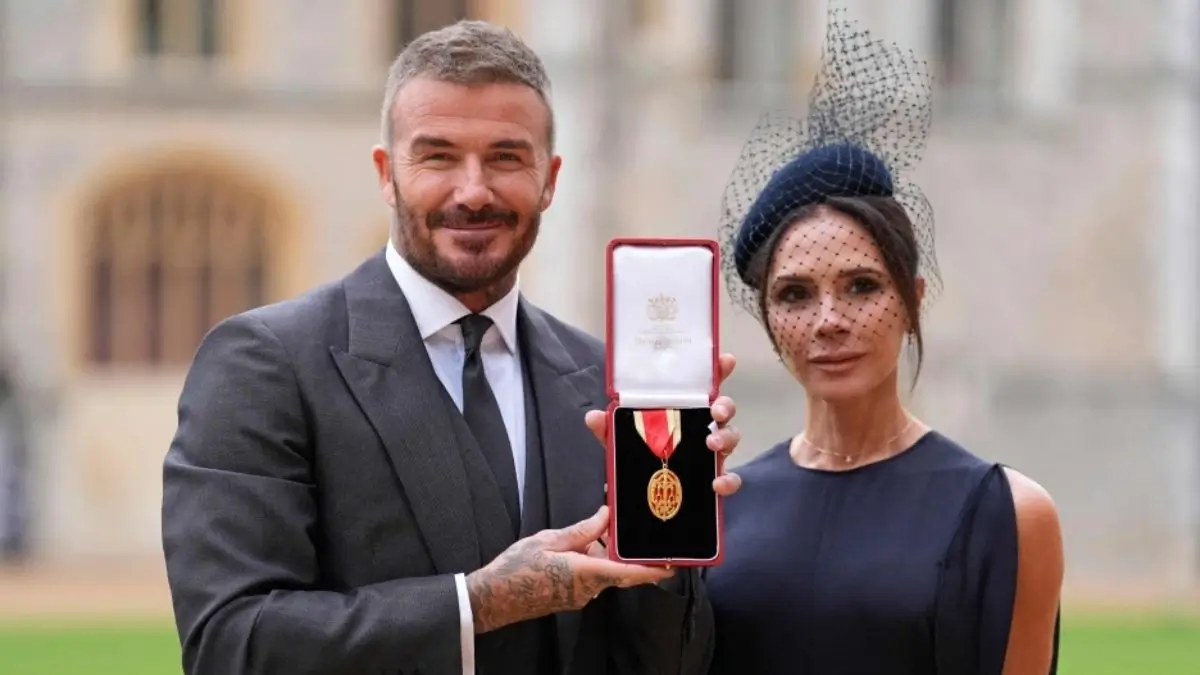
The global football icon, David Beckham, has officially been honoured by King Charles III with a knighthood, becoming Sir David Beckham. The ceremony took place on 4 November 2025 at Windsor Castle, Berkshire, and Beckham was awarded the title of Knight Bachelor in recognition of his outstanding contributions to football and his philanthropic efforts.
In a formal investiture, Beckham stood alongside his wife, Victoria Beckham—who also designed his suit for the occasion—and his parents, marking an emotional homecoming to the heart of Britain’s royal recognition system.
A Footballing Journey of Excellence
Beckham’s ascent to global football stardom began in the early 1990s when he debuted for Manchester United in 1992. Over the course of his career, he made 115 appearances for the England national team and served as captain from 2000 to 2006.
At Manchester United he collected six Premier League titles, two FA Cups and was part of the famous 1999 Treble‐winning season in which United took the Premier League, FA Cup and the UEFA Champions League.
His club journey then extended to leading sides around the world: Real Madrid, LA Galaxy, AC Milan and Paris Saint‑Germain, before retiring in 2013.
Beckham’s flair, leadership both on and off the pitch, his famed free kicks and his global brand elevated him from footballer to international cultural icon.
Philanthropy and International Influence
Beyond his sporting achievements, Sir David Beckham’s philanthropic activities and global influence played a significant role in his knighthood. He became a UNICEF Goodwill Ambassador in 2005 and later launched the “7: The David Beckham UNICEF Fund” in 2015.
In 2024 he became an Ambassador for the King’s Foundation, contributing to education‑based projects.
He also had a role in the UK’s 2012 Olympic bid and in 2022 publicly queued with the public to pay respects to Queen Elizabeth II, underlining his connection with British national culture and tradition.
Significance of the Knighthood
By being knighted, Beckham joins an elite list of 17 male football figures to receive this honour. His inclusion places him alongside luminaries such as Sir Bobby Charlton and Sir Alex Ferguson, reflecting recognition not just for athletic success, but for sustained service to sport and society.
The honour elevates Beckham’s legacy, bridging sport, culture and philanthropy, while highlighting how individuals may be recognised for multifaceted contributions beyond their primary field.

Why This News Is Important
Relevance for Exam Aspirants
For students preparing for competitive exams—whether for teacher roles, banking, railways, defence or civil services such as Union Public Service Commission (UPSC) examinations—this news offers multiple teachable facets. It highlights how honours and awards function in a national and international context, which is relevant for sections on international affairs, culture, and governance.
Understanding Recognition Systems
The knighthood bestowed on Beckham underscores how honours systems are used by nations (or states within nations) to formally recognise individuals for contributions beyond their primary profession. This illustrates a governance/cultural mechanism often examined in general studies papers.
Broader Socio‑Cultural Implications
Beckham’s recognition shows how sport, philanthropy and national identity intersect. The news reinforces how high‑profile personalities can serve as ambassadors for national soft power and charitable causes—a theme relevant in current affairs and socio‑cultural sections of exams.
Global Perspective
Since Beckham is a global figure, the event has international dimensions, relevant for the international relations and world affairs portions of many competitive exams. Understanding such cross‑border recognition helps build a nuanced world view.
Hence, this news item is more than sports trivia: it encapsulates culture, governance, honours systems, philanthropy, and global influence—all relevant for multidisciplinary exam preparation.
Historical Context
The tradition of knighthood in the United Kingdom dates back centuries, originally tied to martial service and loyalty to the crown. Over time, it evolved into recognition for a wide range of services including arts, science, charity and sport. The title “Knight Bachelor” is the oldest form of knighthood and is open to those recognised for public service.
In football, the first figure knighted was Sir Charles Clegg in 1927. Later, distinguished players and managers such as Sir Stanley Matthews (the only player knighted while active), Sir Alf Ramsey (England 1966 World Cup winning manager), Sir Bobby Charlton and Sir Alex Ferguson joined the list. Beckham becomes the 17th male football figure to receive such an honour.
This progression signals how sport has gained recognition not only as entertainment but as an integral social, economic and cultural activity deserving formal acknowledgment. Beckham’s knighthood therefore continues this historical trajectory linking athletic excellence with national recognition and service.
Key Takeaways from “Sir David Beckham Receives Knighthood Honour”
| S.No | Key Takeaway |
|---|---|
| 1 | David Beckham was knighted by King Charles III on 4 November 2025, receiving the title of Knight Bachelor for services to football and philanthropy. |
| 2 | Beckham’s football career includes 115 appearances for England (captain 2000–2006) and major clubs such as Manchester United, Real Madrid, LA Galaxy, AC Milan and Paris Saint‑Germain. |
| 3 | Beyond football, Beckham has been a UNICEF Goodwill Ambassador since 2005, launched the David Beckham UNICEF Fund in 2015 and became an Ambassador for the King’s Foundation in 2024. |
| 4 | With his knighthood, Beckham joins an exclusive list of 17 male football figures honoured by the British monarchy — reflecting sport’s cultural and national significance. |
| 5 | The recognition highlights the role of honours systems in recognising contributions across sport, charity and national identity — a key intersection of culture, soft‑power and governance. |
FAQs: Frequently Asked Questions
1. Who awarded David Beckham the knighthood?
David Beckham was awarded the knighthood by King Charles III in a ceremony at Windsor Castle on 4 November 2025.
2. What title was given to David Beckham?
He received the title of Knight Bachelor, a prestigious honour recognizing his contributions to football and philanthropy.
3. Why was Beckham knighted?
Beckham was knighted for his outstanding achievements in football, including leadership of the England national team, his global influence, and his charitable work with UNICEF and other foundations.
4. How many appearances did Beckham make for the England national team?
David Beckham made 115 appearances for England and served as captain from 2000 to 2006.
5. Which clubs did Beckham play for internationally?
He played for Manchester United, Real Madrid, LA Galaxy, AC Milan, and Paris Saint‑Germain during his football career.
6. What philanthropic work has Beckham done?
He has been a UNICEF Goodwill Ambassador since 2005, launched the David Beckham UNICEF Fund in 2015, and became an Ambassador for the King’s Foundation in 2024.
7. Who are other footballers knighted before Beckham?
Notable football figures include Sir Bobby Charlton, Sir Alex Ferguson, Sir Stanley Matthews, and Sir Alf Ramsey.
8. Why is the knighthood relevant for exams?
It highlights Britain’s honours system, international recognition, cultural influence through sport, and philanthropy, topics relevant for current affairs and general studies in competitive exams.
Some Important Current Affairs Links