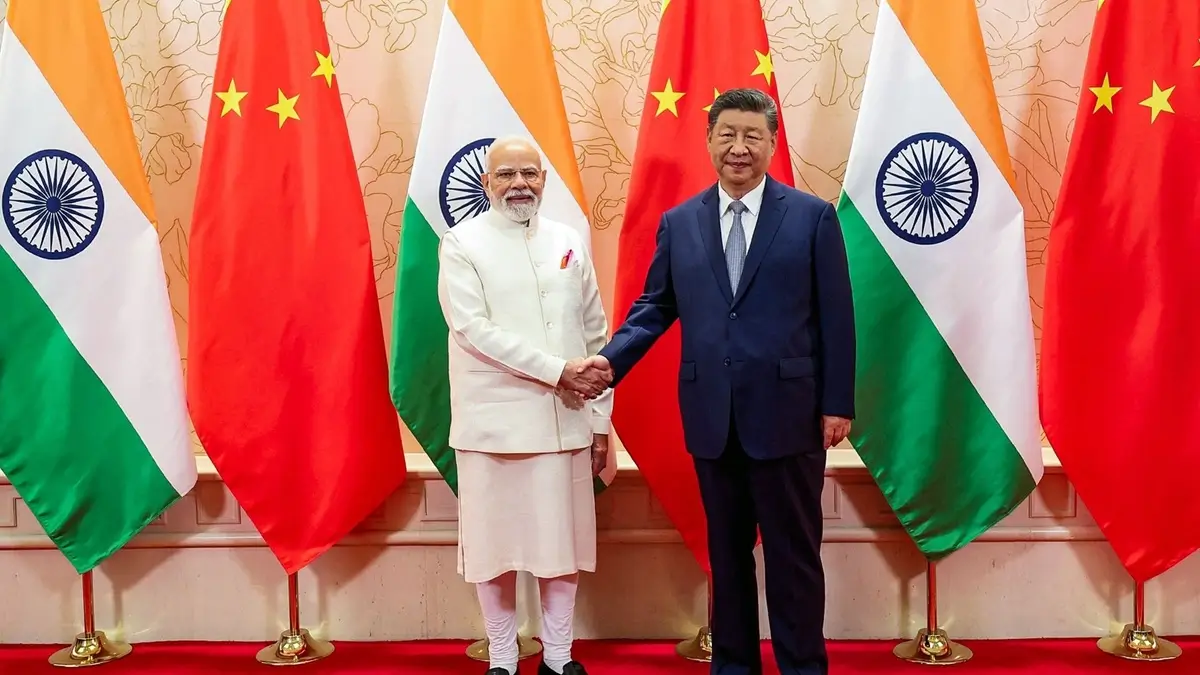









Critical minerals U.S.–Australia deal 2025 strengthens supply chains and counters China’s rare earth dominance. Learn about the $8.5 billion investment, gallium refinery, and AUKUS alliance.
U.S.–Australia Sign $8.5 Billion Critical Minerals Deal to Counter China
Date: October 20, 2025
Location: White House, Washington, D.C.
In a significant move to bolster supply chains and reduce dependence on China, U.S. President Donald Trump and Australian Prime Minister Anthony Albanese signed an $8.5 billion agreement focusing on critical minerals and rare earth elements. The deal aims to enhance access to essential materials used in advanced technologies, including electric vehicles, semiconductors, and defense systems.
🪙 Key Provisions of the Agreement
The agreement outlines several strategic initiatives:
- Joint Investments: Both nations will invest $1 billion each over the next six months into mining and processing projects in Australia.
- Price Floor Implementation: A minimum price floor for critical minerals will be established to stabilize the market and prevent price manipulation.
- Gallium Refinery Project: The U.S. and Australia will support the development of a gallium refinery in Western Australia, aiming to supply up to 10% of global gallium needs.
- Strategic Alliances: The deal underscores the strengthening of the AUKUS security alliance, reaffirming commitments to regional stability and defense cooperation.
🌐 Global Implications and China’s Response
This agreement comes in the wake of China’s recent export controls on rare earth elements, which are vital for various industries. China now requires foreign companies to obtain approval to export products containing traces of Chinese-origin rare earths. In response, Beijing emphasized the importance of market choices in shaping global industrial and supply chains.
The U.S.–Australia partnership aims to mitigate China’s dominance in the rare earth market and ensure a stable supply of critical minerals for both nations.

📌 Why This News Is Important
Strategic Economic Partnership
The U.S.–Australia critical minerals agreement marks a pivotal step in strengthening bilateral economic ties. By collaborating on mining and processing projects, both countries aim to enhance their technological capabilities and reduce reliance on external sources for essential materials.
National Security Considerations
Rare earth elements are crucial for defense technologies, including missile systems and advanced communication equipment. By securing a stable supply of these materials, the U.S. and Australia bolster their defense readiness and strategic autonomy.
Environmental and Economic Sustainability
The establishment of a price floor for critical minerals aims to stabilize the market, ensuring fair pricing and preventing market volatility. This approach promotes sustainable economic practices and supports long-term industrial growth.
🕰️ Historical Context
The U.S.–Australia agreement builds upon previous efforts to diversify supply chains and reduce dependence on China for critical materials. In 2024, the U.S. imposed a 25% tariff on rare earth magnets from China, signaling a shift towards securing domestic and allied sources for these essential materials.
Australia’s rich reserves of rare earth elements, coupled with its advanced mining infrastructure, position it as a key partner in this strategic initiative. The collaboration aligns with broader geopolitical efforts to ensure supply chain resilience and national security.
✅ Key Takeaways from “Trump–Albanese Sign Critical Minerals Deal”
| S.No. | Key Takeaway |
|---|---|
| 1 | The U.S. and Australia signed an $8.5 billion agreement to enhance access to critical minerals and rare earth elements. |
| 2 | Both nations will invest $1 billion each over six months into mining and processing projects in Australia. |
| 3 | A price floor for critical minerals will be established to stabilize the market and prevent price manipulation. |
| 4 | The agreement includes the development of a gallium refinery in Western Australia to supply up to 10% of global gallium needs. |
| 5 | The deal strengthens the AUKUS security alliance, reaffirming commitments to regional stability and defense cooperation. |
FAQs: Frequently Asked Questions
1. What is the U.S.–Australia critical minerals deal about?
The deal is an $8.5 billion agreement between the U.S. and Australia to secure access to critical minerals and rare earth elements, essential for advanced technologies and defense systems.
2. Why are critical minerals important for national security?
Critical minerals like rare earth elements are vital for defense technologies, including missiles, advanced communication systems, and other strategic equipment, making them crucial for national security.
3. How much are the U.S. and Australia investing in the project?
Both countries will invest $1 billion each over six months in mining and processing projects in Australia.
4. What is the role of the gallium refinery in this deal?
The deal includes developing a gallium refinery in Western Australia, which aims to supply up to 10% of global gallium demand, strengthening supply chain independence.
5. How does this deal affect China’s influence in the global mineral market?
The agreement aims to reduce dependence on Chinese rare earths and mitigate China’s control over global supply chains, especially in strategic minerals.
6. What is the AUKUS alliance, and how is it related?
AUKUS is a trilateral security pact between Australia, the U.S., and the U.K., and the deal strengthens its strategic objectives, ensuring regional stability and defense cooperation.
7. What is the price floor mentioned in the agreement?
The price floor is a mechanism to stabilize the critical minerals market, preventing extreme fluctuations and market manipulation.
8. Which sectors will benefit from this minerals agreement?
Sectors such as electric vehicles, semiconductors, aerospace, and defense industries will benefit from a steady supply of critical minerals.
9. When was this agreement signed?
The agreement was signed on October 20, 2025, during a meeting between President Donald Trump and Prime Minister Anthony Albanese.
10. What historical steps led to this agreement?
Previous U.S. actions like imposing tariffs on Chinese rare earth magnets and efforts to diversify supply chains set the foundation for this strategic partnership with Australia.
Some Important Current Affairs Links