





Former Greek PM Costas Simitis Dies at 88
Introduction to Costas Simitis’s Legacy
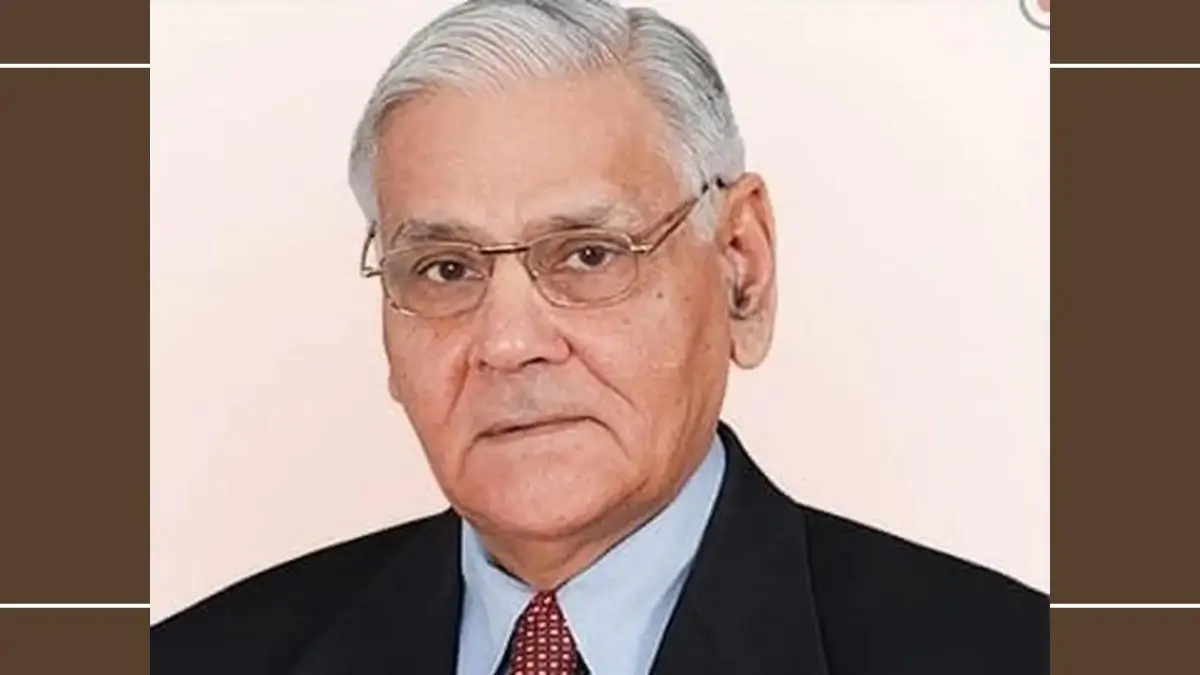
On January 9, 2025, Greece lost a prominent figure in its political history, former Prime Minister Costas Simitis, who passed away at the age of 88. Simitis, a key figure in modern Greek politics, served as the Prime Minister of Greece from 1996 to 2004. During his tenure, he was instrumental in Greece’s integration into the European Union’s Economic and Monetary Union, marking a significant shift in the country’s economic landscape.
Simitis’s Political Career and Achievements
Costas Simitis’s political journey was marked by his focus on economic reform, modernization, and European integration. A member of the Panhellenic Socialist Movement (PASOK), he took office as Prime Minister during a time when Greece was grappling with financial challenges. Simitis is widely credited for overseeing the country’s accession to the Eurozone, which was a major milestone for Greece’s economic future. Under his leadership, Greece achieved substantial economic growth, although this period was also marked by controversies regarding fiscal management.
His government’s reforms aimed to streamline public administration, modernize the economy, and improve Greece’s standing in the European Union. His decision to adopt the euro as Greece’s official currency in 2001 was one of the most important moments in his political career, which earned him praise internationally.
Challenges Faced During His Tenure
Despite his successes, Simitis faced numerous challenges during his leadership. The implementation of austerity measures and the social impact of his economic reforms stirred significant public protests. His leadership also came under scrutiny for Greece’s growing public debt, which would later become one of the country’s most significant financial issues in the post-Simitis era.
However, Simitis’s legacy is not just confined to his policies. His leadership style, marked by pragmatism and a focus on long-term goals, helped modernize Greece and integrate it further into European structures. Even after his political career, Simitis remained an influential figure in Greek public life, contributing to debates on the future of the European Union and Greece’s place in it.

Why This News is Important
Historical Impact on Greek Politics and Economy
The passing of Costas Simitis marks the end of an era in Greek politics. His leadership played a central role in shaping modern Greece, especially in terms of its integration into the European Union. His government’s economic reforms and adoption of the euro remain pivotal moments in the country’s post-war history. Students preparing for government exams, particularly those related to international relations and European integration, will find Simitis’s legacy relevant to understanding Greece’s political evolution and economic transformations.
Reflection on Greece’s Political Landscape
Simitis’s passing also offers an opportunity to reflect on the trajectory of Greek politics. His time in office represents a period of relative stability, economic growth, and European cooperation. Understanding his leadership style and policy decisions is essential for any student studying political science or current affairs related to Greece, the European Union, or the broader geopolitical landscape of the Mediterranean region.
Historical Context: Background Information on Costas Simitis
Early Life and Political Rise
Costas Simitis was born in 1936 in Piraeus, Greece. He came from a family with a strong academic and political background, which influenced his future political career. After completing his studies in law and economics in Greece and Germany, Simitis joined the Panhellenic Socialist Movement (PASOK) in the 1970s. He quickly rose through the ranks of the party and became known for his expertise in economic and European affairs.
Becoming Prime Minister and Greece’s Eurozone Entry
Simitis became Prime Minister in 1996, succeeding Andreas Papandreou. His tenure is most noted for Greece’s entry into the Eurozone in 2001, a milestone that not only symbolized Greece’s economic modernization but also its growing role within the European Union. The shift to the euro, however, was not without controversy, as it involved significant reforms and austerity measures that impacted the Greek population.
Legacy and Influence on Greece’s Global Standing
Beyond economic reforms, Simitis’s legacy is also marked by his emphasis on Greece’s integration into European and global structures. His government’s policies aimed to strengthen Greece’s political and economic position on the world stage. Simitis’s approach to European integration continues to be discussed and analyzed by political analysts and historians, making his contributions vital to understanding Greece’s path in the 21st century.
Key Takeaways from Former Greek PM Costas Simitis Dies at 88
| Serial No. | Key Takeaway |
|---|---|
| 1 | Costas Simitis served as Greece’s Prime Minister from 1996 to 2004, playing a key role in the country’s integration into the Eurozone. |
| 2 | Simitis’s government was known for modernizing Greece’s economy and pushing for reforms that aimed to streamline public administration. |
| 3 | His leadership saw Greece’s transition to the euro in 2001, which was one of the major achievements of his tenure. |
| 4 | Despite his successes, Simitis faced public protests against austerity measures and growing public debt during his time in office. |
| 5 | Simitis remained an influential figure even after his term as Prime Minister, contributing to discussions on Greece’s future in Europe. |
Important FAQs for Students from this News
Who was Costas Simitis?
Costas Simitis was the Prime Minister of Greece from 1996 to 2004. He was instrumental in Greece’s integration into the European Union’s Economic and Monetary Union, which included adopting the euro as Greece’s currency.
What is Costas Simitis known for?
Simitis is best known for leading Greece into the Eurozone in 2001, a significant economic achievement for the country. He also played a key role in modernizing Greece’s economy and improving its global standing during his tenure.
What challenges did Simitis face during his tenure as Prime Minister?
Simitis faced challenges such as protests against austerity measures, increasing public debt, and the social impact of his economic reforms. Despite these, he managed to modernize Greece’s economy and strengthen its position in the European Union.
What is the significance of Costas Simitis’s passing?
Simitis’s passing marks the end of an era in Greek politics, highlighting his pivotal role in shaping modern Greece, particularly in terms of its economic and political integration with the European Union.
How did Simitis contribute to Greece’s entry into the Eurozone?
Simitis’s government pushed through the necessary economic and fiscal reforms to meet the criteria for joining the Eurozone. This included modernizing Greece’s economy, stabilizing its finances, and ensuring it met the Maastricht criteria for adopting the euro.
Some Important Current Affairs Links