









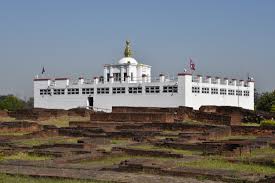
Buddha’s Birthplace: Lumbini, Nepal – A Landmark for Global Peace
Buddhism is one of the most practiced religions globally, with millions of followers worldwide. The birthplace of Lord Buddha holds immense historical and religious significance, drawing pilgrims and scholars alike. Lord Buddha, born Siddhartha Gautama, founded Buddhism after achieving enlightenment. His birthplace, Lumbini, is located in the Rupandehi District of Nepal, near the border with India.
Lumbini’s importance is not only spiritual but also cultural and political. It is a UNESCO World Heritage site, attracting tourists and pilgrims who seek to connect with the ancient teachings of peace, mindfulness, and enlightenment. The site includes several historical monuments, including the Maya Devi Temple, which marks the exact spot of Buddha’s birth. The garden around the temple is where Buddha’s mother, Queen Maya, gave birth to him around the 6th century BCE.
Lumbini’s significance transcends national borders, linking Nepal with India and the greater Buddhist world. Visitors to this sacred site gain insight into Buddha’s early life, his teachings, and the development of Buddhism across the Asian continent. The area also serves as a symbol of global peace, promoting values of compassion, non-violence, and understanding.
In addition to its religious importance, Lumbini is a hub for cultural exchange. Various countries with Buddhist traditions have constructed temples and monasteries in the area, creating a melting pot of architecture, art, and spiritual practices.

Why This News is Important: Relevance to Current Affairs and Government Exams
Significance in Government Exam Context
The birthplace of Lord Buddha is not only relevant in the context of world history and religion but is also an essential topic for government exams, particularly for subjects like History, Geography, and General Knowledge. Understanding the key historical and geographical details of Lumbini helps students prepare for questions related to ancient Indian history, world religions, and the significance of UNESCO World Heritage sites.
In many exams, candidates are tested on the geographical locations of important historical sites, and Lumbini is frequently featured. This news story about Buddha’s birthplace is valuable for students preparing for competitive exams such as UPSC, PSCs, Railways, and other government service positions. The article offers insights that may help answer questions on religious history, Indian subcontinent geography, and international cultural heritage.
Cultural and Religious Importance
Furthermore, the cultural and religious importance of Lumbini is relevant for those preparing for the civil services or teaching exams, especially in subjects related to Indian culture, world religions, and religious tourism. The awareness of significant religious places like Lumbini can also provide students with valuable knowledge when writing essays on topics such as religion, peace, and global interconnections in the context of India’s role in international peace-building.
Historical Context: Background Information on Buddha’s Birthplace
Lumbini’s historical significance dates back to the 6th century BCE. It is here that Siddhartha Gautama, who would later become known as Buddha, was born. His birth is commemorated by the Maya Devi Temple, which stands as a testimony to the rich cultural and religious history of the region. According to Buddhist tradition, Buddha’s mother, Queen Maya, gave birth to Siddhartha while she was traveling to her maternal home.
Lumbini, over the centuries, became a hub of Buddhist learning and pilgrimage. Emperor Ashoka of India, a key figure in spreading Buddhism, visited Lumbini in the 3rd century BCE. He erected a pillar there, commemorating the site and declaring the importance of Lumbini as a pilgrimage destination for Buddhists.
Throughout history, Lumbini has faced challenges, including political conflicts and natural disasters, but it has always remained a symbol of peace and spiritual enlightenment. The site has been preserved through efforts by both the Nepalese government and international organizations to promote Buddhism, protect cultural heritage, and foster global peace.
Key Takeaways from “Buddha’s Birthplace: Lumbini, Nepal”
| Serial Number | Key Takeaway |
|---|---|
| 1 | Lumbini is the birthplace of Lord Buddha, located in Nepal. |
| 2 | The site is a UNESCO World Heritage site, recognized for its religious and cultural significance. |
| 3 | Lumbini contains the Maya Devi Temple, marking the exact spot of Buddha’s birth. |
| 4 | The site serves as a major hub for Buddhist pilgrimage and tourism. |
| 5 | Emperor Ashoka, in the 3rd century BCE, played a vital role in preserving the site. |
Important FAQs for Students from this News
Where is Buddha’s birthplace located?
- Buddha’s birthplace is located in Lumbini, in the Rupandehi District of Nepal, near the border with India.
Why is Lumbini important for Buddhists?
- Lumbini is important as it marks the birthplace of Lord Buddha (Siddhartha Gautama), the founder of Buddhism. It is a sacred site for Buddhists worldwide and a UNESCO World Heritage site.
What significant structures are present in Lumbini?
- The key structure in Lumbini is the Maya Devi Temple, which marks the spot where Buddha was born. There are also other important sites, including historical pillars erected by Emperor Ashoka.
What role did Emperor Ashoka play in the history of Lumbini?
- Emperor Ashoka, a prominent ruler in the 3rd century BCE, visited Lumbini and erected a pillar there to mark the site’s significance. His efforts helped in the preservation and promotion of Lumbini as a Buddhist pilgrimage destination.
Why is Lumbini a UNESCO World Heritage site?
- Lumbini is designated a UNESCO World Heritage site due to its immense historical, cultural, and religious significance as the birthplace of Lord Buddha, and its status as a major pilgrimage and tourism center.
Some Important Current Affairs Links