








“Artemis II lunar flyby mission by NASA: Discover crewed Moon orbit, Orion spacecraft, and historic space exploration updates for 2026.”
NASA Prepares Historic Artemis II Mission to Orbit the Moon – A New Era in Space Exploration
Introduction: What Is Artemis II Mission?
NASA’s Artemis II mission is a landmark space exploration endeavour that will carry humans around the Moon for the first time in over five decades. This is part of NASA’s Artemis programme aimed at returning humans to the lunar vicinity and preparing for future sustained lunar presence and eventual missions to Mars.
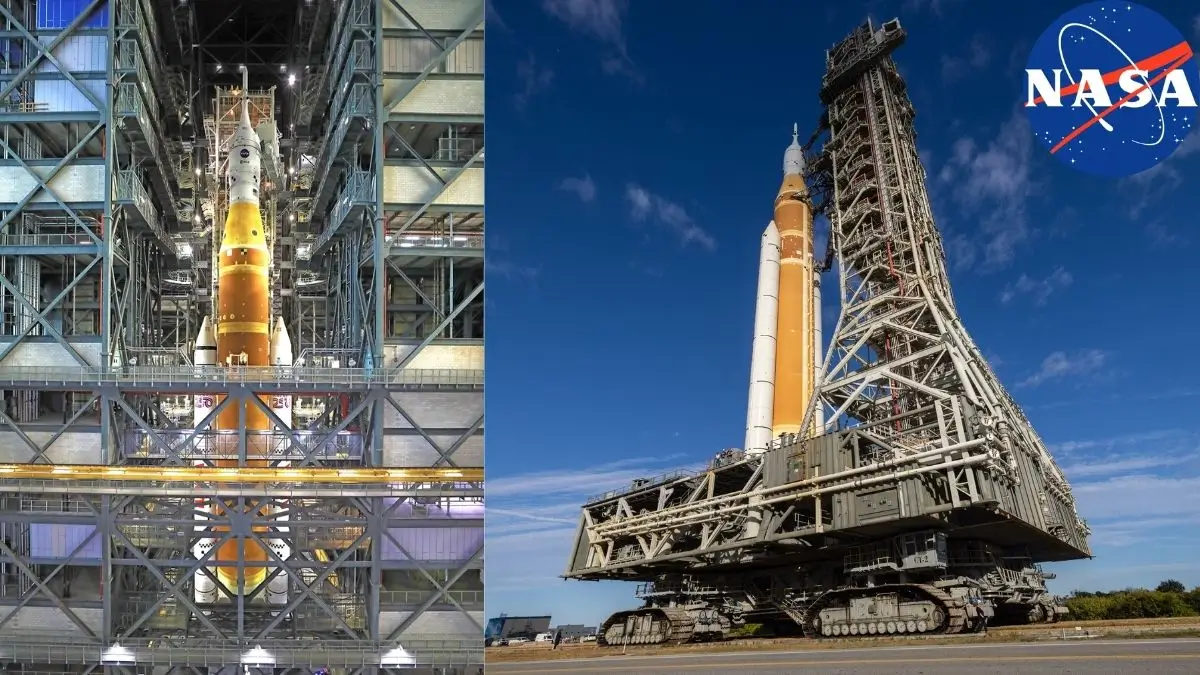
The mission is planned as a 10-day crewed flight using NASA’s powerful Space Launch System (SLS) rocket and the Orion spacecraft. Four astronauts—three from NASA and one from the Canadian Space Agency—will orbit the Moon before returning safely to Earth. This mission does not involve a lunar landing but will test critical deep-space systems such as communication, life support and navigation.
Mission Crew and International Participation
Artemis II will feature a diverse and highly experienced crew. The astronauts on board include:
- Reid Wiseman (Commander) – NASA
- Victor Glover (Pilot) – NASA
- Christina Koch (Mission Specialist) – NASA
- Jeremy Hansen (Mission Specialist) – Canadian Space Agency
This is the first time a Canadian astronaut will participate in a lunar flyby mission, highlighting international collaboration in space exploration.
Mission Objectives and Technical Goals
The primary aim of Artemis II is to validate spacecraft performance and crew safety systems beyond low-Earth orbit. The Orion spacecraft will travel on a free-return trajectory, looping around the Moon and returning to Earth, enabling NASA to:
- Test deep-space life support and communication systems
- Monitor crew health in deep-space radiation conditions
- Perfect mission procedures for future lunar landings and longer missions such as Mars expeditions
Public Engagement: “Send Your Name to the Moon” Initiative
In an exciting public outreach move, NASA invited people worldwide to submit their names to be flown aboard the Orion spacecraft. These names are digitally stored and carried on a microchip during the mission—a symbolic gesture to inspire global interest in space science and technology.
This initiative has drawn participation from millions of students, young enthusiasts, and science lovers, deepening public connection to human space exploration.
Significance of Artemis II in Current Space Race
Artemis II is more than a space mission; it represents a revival of human deep-space exploration since the Apollo era. It positions the U.S. at the forefront of lunar exploration and emphasizes collaboration with international partners. The mission lays critical groundwork for Artemis III, which aims to achieve the first human lunar landing in the 21st century.
By testing the technologies and procedures required for longer space ventures, Artemis II is a stepping stone toward humanity’s goal of sustained lunar presence and eventual astronaut missions to Mars.

Why This News Is Important for Government Exam Aspirants
Relevance to Science & Technology Syllabus
The Artemis II mission provides current and high-impact material for the Science & Technology section of competitive exams like SSC, UPSC, Banking, Railways, Defence and Teaching Exams. Questions related to space missions, global science cooperation, and technological innovation are frequently asked, making this information essential.
Understanding Global Scientific Advancements
Artemis II demonstrates how nations invest in space technology to boost innovation, economic growth, and international partnerships. Competitive exams often weigh such developments under topics like international cooperation, technological leadership and scientific research.
Boosts General Awareness
Aspirants preparing for high-level exams such as PCS and IAS must be aware of current global milestones in science and technology. This mission represents a historic human achievement and is likely to be referenced in general knowledge sections and descriptive answers.
Promotes Critical Thinking
Understanding why Artemis II matters enhances analytical skills—critical for essay writing and interview rounds. Candidates can explain the mission’s goals, future implications, and international collaborations with clarity and context.
Encourages Career Awareness in Science
News like Artemis II inspires students to explore careers in space research, engineering, and defence science—fields often covered in career aptitude and awareness sections of exams.
Historical Context: NASA and Human Space Exploration
Apollo Legacy
In 1969–1972, NASA’s Apollo missions successfully landed humans on the Moon. Apollo 17 was the last mission with human presence beyond low-Earth orbit. Since then, there had been no crewed lunar missions—until Artemis II.
Transition to Artemis Programme
The Artemis Programme began as a successor to Apollo, with the goal of sending humans back to the Moon and establishing sustainable exploration. Artemis I (2022) was an uncrewed test flight that proved the effectiveness of SLS and Orion systems.
Global Space Race and Collaboration
In recent decades, space exploration has evolved into an international effort. NASA’s inclusion of a Canadian astronaut and cooperation with global institutions reflects this new era of shared scientific goals.
Key Takeaways from “NASA Prepares Historic Artemis II Mission to Orbit the Moon”
| S.No. | Key Takeaway |
|---|---|
| 1 | Artemis II will be the first crewed lunar mission since 1972. |
| 2 | The mission is planned for early 2026 with a 10-day lunar flyby. |
| 3 | Four astronauts (3 NASA, 1 CSA) will orbit the Moon. |
| 4 | Mission will test deep-space systems for future lunar and Mars expeditions. |
| 5 | Public can participate by sending their names aboard the mission. |
FAQs: Frequently Asked Questions on Artemis II Mission
1. What is NASA’s Artemis II mission?
Artemis II is NASA’s first crewed mission to orbit the Moon since Apollo 17. It aims to test deep-space systems and prepare for future lunar landings and Mars missions.
2. When is Artemis II scheduled to launch?
The mission is scheduled for early 2026 and will last approximately 10 days.
3. Who are the astronauts participating in Artemis II?
The crew includes Reid Wiseman (Commander), Victor Glover (Pilot), Christina Koch (Mission Specialist) from NASA, and Jeremy Hansen (Mission Specialist) from the Canadian Space Agency.
4. Will Artemis II land on the Moon?
No, Artemis II is a lunar flyby mission; the spacecraft will orbit the Moon and return to Earth without landing.
5. What spacecraft and rocket are used in Artemis II?
The mission will use NASA’s Space Launch System (SLS) rocket and the Orion spacecraft.
6. How does Artemis II contribute to international cooperation?
The mission includes a Canadian astronaut and represents collaboration between NASA and international space agencies, highlighting shared global goals in space exploration.
7. Can the public participate in Artemis II?
Yes, NASA allows people to submit their names, which will be carried aboard the Orion spacecraft on a microchip.
8. Why is Artemis II important for government exams?
It is relevant for Science & Technology, International Cooperation, and Current Affairs sections in exams like SSC, UPSC, Banking, Railways, Defence, and PCS.
9. What are the main objectives of Artemis II?
The objectives include testing life support, communication, navigation, and radiation safety systems in deep space.
10. What mission follows Artemis II?
Artemis III will follow, aiming for a crewed lunar landing and establishing sustainable lunar presence.
Some Important Current Affairs Links