




Celebrating a Green Diwali: Lights Without Pollution
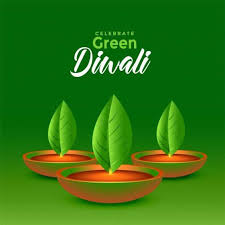
Diwali, known as the Festival of Lights, is a cherished celebration in India that symbolizes the victory of light over darkness and good over evil. However, in recent years, the festival has faced criticism due to the environmental impact of traditional celebrations, particularly the use of firecrackers. This year, a significant push for a “Green Diwali” aims to celebrate the festival with eco-friendly practices. Initiatives from various government bodies, NGOs, and communities are encouraging people to opt for pollution-free alternatives to ensure that the festivities do not come at the expense of the environment.
Government Initiatives for Eco-Friendly Celebrations
In response to the growing concerns over air quality during Diwali, several state governments have launched campaigns promoting sustainable practices. The Delhi government, for instance, has implemented a ban on firecrackers, urging citizens to embrace eco-friendly options such as diyas (oil lamps) and electric lights. These measures aim to reduce air and noise pollution, creating a healthier environment for all. Furthermore, public awareness campaigns are being rolled out to educate citizens about the harmful effects of traditional firecrackers on health and the environment, particularly on vulnerable populations like children and the elderly.
The Role of NGOs and Communities
Non-governmental organizations are also playing a crucial role in advocating for a green Diwali. Many have initiated community events focused on crafting eco-friendly decorations and hosting workshops on sustainable practices. These organizations are not only raising awareness but also providing practical alternatives, such as biodegradable decorations and eco-friendly gift ideas. Community involvement has seen a rise in the use of traditional, non-toxic materials for decorations, such as clay and natural dyes, which are safe for the environment.
Embracing Eco-Friendly Practices
As individuals and families prepare for Diwali, the emphasis is on incorporating eco-friendly practices into their celebrations. This includes using energy-efficient LED lights instead of traditional bulbs, reducing waste by opting for reusable decorations, and choosing organic sweets and gifts. By adopting these practices, the spirit of Diwali can be preserved while minimizing the environmental footprint. The collective effort to celebrate a Green Diwali not only reflects a commitment to sustainability but also sets a precedent for future generations to honor cultural traditions responsibly.
Why This News is Important
Environmental Impact of Diwali Celebrations
The significance of celebrating a Green Diwali stems from the alarming levels of pollution that often accompany traditional festivities. The extensive use of firecrackers contributes to deteriorating air quality, which poses severe health risks. According to studies, air pollution spikes significantly during the Diwali season, leading to respiratory issues and other health complications. Recognizing the detrimental effects on public health and the environment highlights the urgency of adopting sustainable practices during the festival.
Fostering Awareness and Responsibility
Promoting a Green Diwali also emphasizes the importance of environmental consciousness among citizens. By encouraging individuals to reflect on their habits during the festival, this initiative fosters a sense of responsibility toward the environment. It serves as a reminder that cultural celebrations can coexist with eco-friendly practices, paving the way for a more sustainable future. This awareness is crucial for instilling values of conservation and respect for nature in the younger generation.
Community Engagement and Participation
The movement towards a Green Diwali has led to increased community engagement, as people come together to support sustainable practices. Such collective efforts not only strengthen community bonds but also inspire collective action towards environmental preservation. Engaging in eco-friendly initiatives fosters a culture of sustainability that transcends the festival, promoting long-term commitment to protecting the environment.
Historical Context
The origins of Diwali date back to ancient India, with its significance rooted in various mythological tales, including the return of Lord Rama to Ayodhya after defeating Ravana. Traditionally, Diwali was celebrated with lamps and lights to welcome prosperity and good fortune. However, the advent of modern firecrackers marked a shift in how the festival is celebrated, leading to increased pollution levels. In recent decades, the adverse effects of firecrackers on health and the environment have garnered attention, prompting governments and communities to advocate for more sustainable celebrations. The shift towards a Green Diwali is a response to these challenges, aiming to reclaim the essence of the festival while ensuring a healthier planet.
Key Takeaways from Celebrating a Green Diwali
| Serial Number | Key Takeaway |
|---|---|
| 1 | Diwali is traditionally a Festival of Lights but has environmental concerns due to firecrackers. |
| 2 | State governments are implementing bans on firecrackers to promote eco-friendly alternatives. |
| 3 | NGOs are actively engaging communities in creating sustainable decorations and practices. |
| 4 | Individuals are encouraged to use energy-efficient lights and biodegradable materials during the celebrations. |
| 5 | The movement for a Green Diwali fosters community engagement and long-term environmental awareness. |
Important FAQs for Students from this News
1. What is a Green Diwali?
A Green Diwali refers to the celebration of the Diwali festival in an environmentally friendly manner, focusing on minimizing pollution and promoting sustainable practices.
2. Why are firecrackers harmful during Diwali?
Firecrackers contribute to air and noise pollution, which can lead to severe health issues, particularly for vulnerable populations, including children and the elderly.
3. What alternatives are encouraged for a Green Diwali?
Alternatives include using earthen diyas, LED lights, biodegradable decorations, and organic sweets, as well as participating in community events focused on sustainability.
4. How can individuals contribute to a Green Diwali?
Individuals can contribute by avoiding firecrackers, opting for eco-friendly decorations, and using energy-efficient lights to celebrate the festival responsibly.
5. What role do NGOs play in promoting a Green Diwali
NGOs organize community workshops, provide eco-friendly decoration options, and raise awareness about the importance of celebrating Diwali without harming the environment.
Some Important Current Affairs Links




