









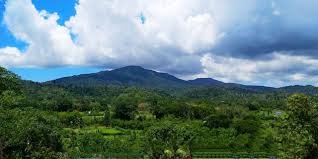
Saddle Peak, standing at 732 meters, is the highest point in the Andaman and Nicobar Islands. Located on North Andaman Island, it is a prominent feature within the Saddle Peak National Park, a protected area established in 1979. The park spans approximately 85 square kilometers and is renowned for its rich biodiversity, including rare species of flora and fauna.
Geographical Significance
Saddle Peak’s prominence offers panoramic views of the archipelago, making it a significant landmark for both ecological studies and tourism. The surrounding area is characterized by dense tropical forests, which are home to a variety of endemic species. The peak’s unique ecosystem provides valuable insights into the region’s natural history and biodiversity.
Trekking and Tourism
The trek to Saddle Peak is a popular activity among eco-tourists and adventure enthusiasts. The trail, approximately 8 kilometers each way, winds through lush forests, offering trekkers the chance to experience the island’s diverse wildlife and plant species. Hikers are advised to carry ample water and be prepared for a moderately challenging ascent.
Conservation Efforts
As part of the Saddle Peak National Park, the peak and its surrounding areas are under protection to preserve their unique biodiversity. The park is home to species such as the Andaman wild pig, Andaman hill myna, imperial pigeon, water monitor lizards, and saltwater crocodiles. Conservation initiatives focus on maintaining the ecological balance and protecting these species from threats like habitat loss and human interference.
Accessibility
Saddle Peak is accessible via Diglipur, the largest town in North Andaman Island. Diglipur serves as a base for tourists aiming to explore the peak and other nearby attractions, such as Ross and Smith Islands and the Ram Nagar beaches. The region is also known for its agricultural produce, including oranges and rice, contributing to its economic significance.
Cultural and Ecological Importance
Beyond its appeal to tourists, Saddle Peak holds cultural significance for local communities and is integral to the island’s ecological health. The forests around the peak play a crucial role in sustaining the island’s water resources and preventing soil erosion, highlighting the importance of ongoing conservation efforts.

Why This News is Important
Relevance to Competitive Exams
Understanding geographical landmarks like Saddle Peak is essential for students preparing for competitive exams, including civil services and defense positions. Questions related to India’s topography, biodiversity hotspots, and conservation areas are common in these examinations. Knowledge about such significant features enhances a candidate’s ability to answer questions related to environmental and geographical topics.
Biodiversity and Conservation Awareness
Highlighting areas like Saddle Peak raises awareness about India’s rich biodiversity and the importance of conservation efforts. For aspirants in fields like environmental science, forestry, and wildlife conservation, understanding the significance of such protected areas is crucial. It underscores the need for sustainable practices and the protection of natural habitats.
Tourism and Local Economy
The information about Saddle Peak also sheds light on the role of eco-tourism in supporting local economies. For candidates focusing on tourism, economics, or regional development, this serves as a case study on how natural landmarks can contribute to economic growth while promoting conservation.
Historical Context
Establishment of Saddle Peak National Park
Saddle Peak National Park was established in 1979 to protect the unique biodiversity of the region. Covering an area of 85 square kilometers, the park has since been a focal point for conservation efforts in the Andaman and Nicobar Islands.
Biodiversity Significance
The park’s establishment aimed to safeguard various endemic species and their habitats. Over the years, it has become a vital area for ecological research and environmental education, emphasizing the importance of preserving India’s natural heritage.
Key Takeaways from Saddle Peak’s Significance
| S.No | Key Takeaway |
|---|---|
| 1 | Saddle Peak is the highest point in the Andaman and Nicobar Islands, standing at 732 meters. |
| 2 | It is located within the Saddle Peak National Park, established in 1979 to protect the region’s biodiversity. |
| 3 | The trek to Saddle Peak is approximately 8 kilometers each way, attracting eco-tourists and trekkers. |
| 4 | The surrounding forests are home to endemic species, highlighting the area’s ecological importance. |
| 5 | Accessibility is primarily through Diglipur, the largest town in North Andaman Island. |
FAQs
1. Where is Saddle Peak located?
Saddle Peak is located on North Andaman Island in the Andaman and Nicobar Islands, India.
2. How high is Saddle Peak?
Saddle Peak stands at 732 meters (2,418 feet), making it the highest point in the Andaman and Nicobar Islands.
3. What is the significance of Saddle Peak National Park?
Established in 1979, Saddle Peak National Park spans approximately 85 square kilometers and aims to protect the unique biodiversity of the region, including various endemic species.
4. What can tourists expect when visiting Saddle Peak?
Tourists can embark on an 8-kilometer trek through dense tropical forests to reach the peak, offering panoramic views and opportunities to observe diverse flora and fauna.
5. How can one access Saddle Peak?
Saddle Peak is accessible via Diglipur, the largest town in North Andaman Island, which serves as a base for tourists exploring the region.
Some Important Current Affairs Links