






Indian Army new commanders 2026 update: Check latest appointments in Western, Eastern, and Southern Commands, key roles, and exam-relevant facts.
Major Leadership Reshuffle in the Indian Army
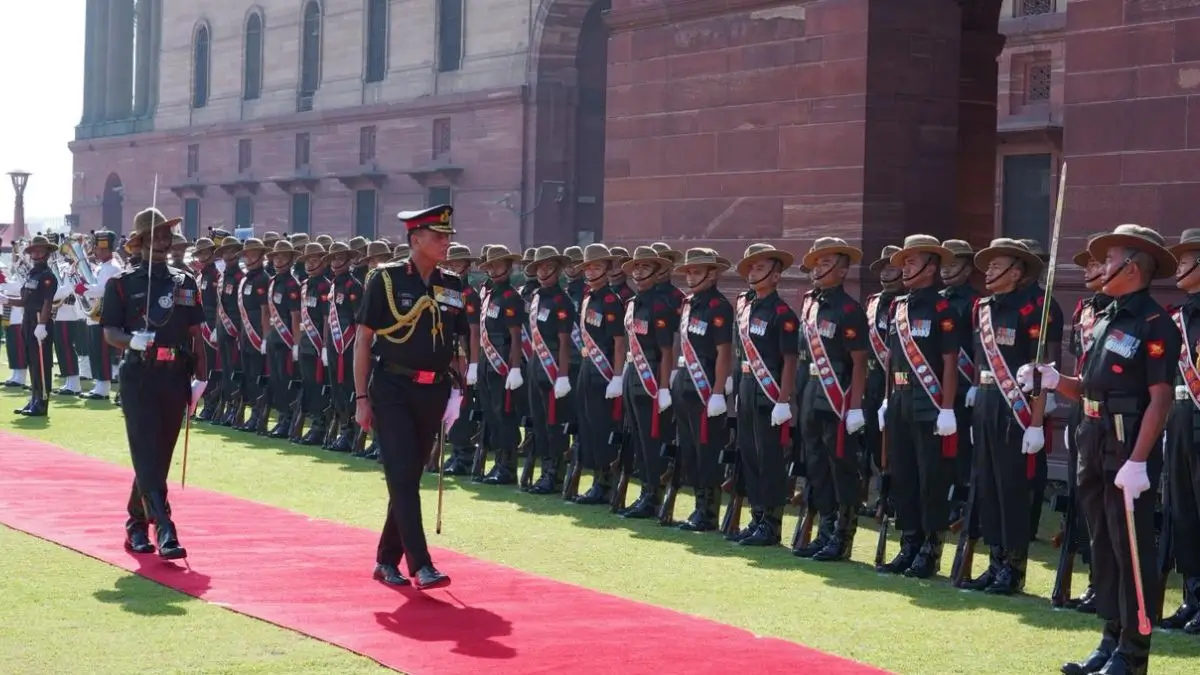
The Indian Army has recently undertaken a significant leadership reshuffle, appointing new commanders to its crucial Southern, Eastern, and Western Commands. This strategic reorganization comes as part of routine succession planning and aims to strengthen operational readiness across key regions of the country.
New Appointments Across Commands
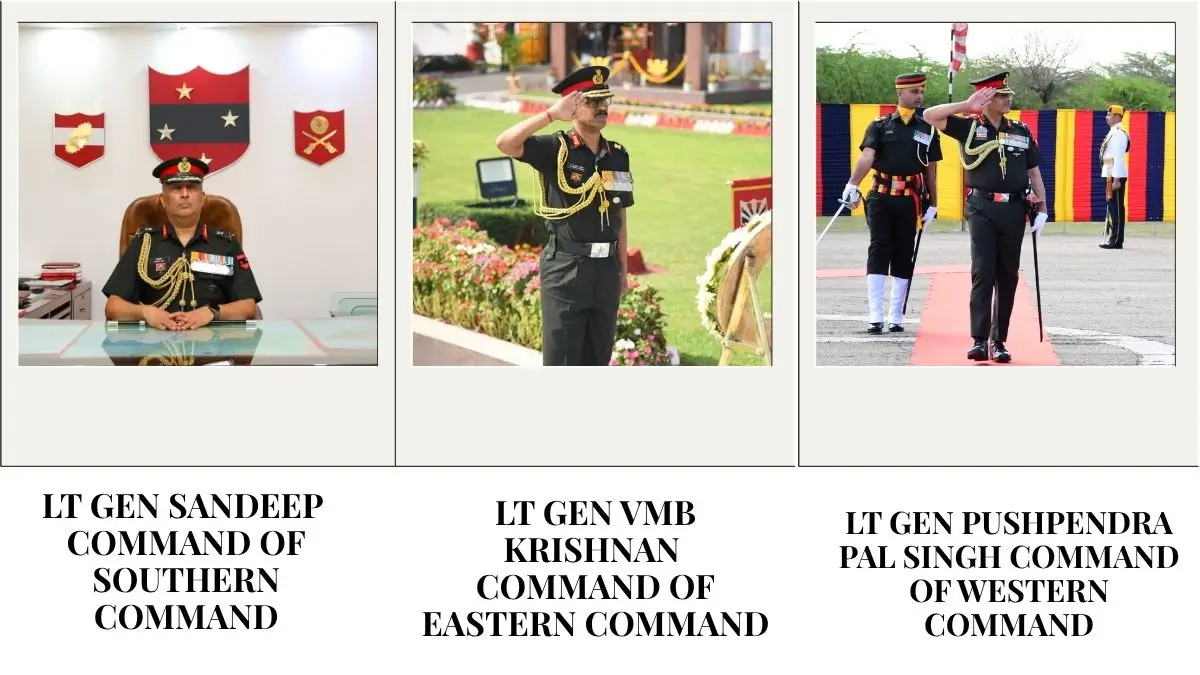
As part of the reshuffle, Lt Gen Dheeraj Seth has been appointed as the new Vice Chief of Army Staff (VCOAS), moving from his role as Southern Army Commander. Meanwhile, Lt Gen Pushpendra Pal Singh has taken over as the General Officer Commanding-in-Chief (GOC-in-C) of the Western Command. Lt Gen VMB Krishnan has assumed charge of the Eastern Command.
Additionally, Lt Gen Sandeep Jain has been appointed as the new Southern Army Commander, replacing Lt Gen Seth after his elevation.
Strategic Importance of the Western Command
The Western Command, headquartered in Chandimandir, is one of the most critical formations of the Indian Army as it oversees operations along the India-Pakistan border. The appointment of Lt Gen Pushpendra Pal Singh, a Special Forces officer with decades of operational experience, is expected to enhance preparedness and strengthen defense capabilities along this sensitive frontier.
Role of the Eastern Command in National Security
The Eastern Command, based in Kolkata, is responsible for safeguarding India’s northeastern region, including borders with China, Myanmar, and Bangladesh. Lt Gen VMB Krishnan brings nearly four decades of experience, including service in high-altitude areas like Siachen, which is expected to bolster operational efficiency in this strategically vital region.
Southern Command and Internal Preparedness
The Southern Command plays a crucial role in logistics, training, and disaster response. With Lt Gen Sandeep Jain taking over, the command is expected to continue focusing on strengthening internal readiness and supporting national security objectives across southern India.

B) Why This News is Important
Impact on National Security
The appointment of new commanders in key operational commands directly impacts India’s national security framework. The Western and Eastern Commands are particularly sensitive due to ongoing geopolitical tensions along the borders with Pakistan and China. Leadership changes in these commands ensure that experienced officers are at the helm during critical times.
Operational Continuity and Modernization
Such reshuffles are essential for maintaining continuity in military operations while introducing fresh perspectives in strategy and planning. The newly appointed officers bring diverse operational experience, which is vital for modern warfare, including multi-domain operations and technological integration.
Significance for Defence Aspirants
For candidates preparing for defence and civil services examinations, understanding such high-level appointments is crucial. Questions related to military leadership, command structure, and strategic roles are frequently asked in exams like UPSC, CDS, and NDA.
C) Historical Context
Evolution of Army Commands in India
The Indian Army’s command structure dates back to the British colonial era, with commands organized based on geographical and strategic needs. Over time, these commands have evolved to address modern security challenges.
Role in Major Conflicts
Commands like the Western Command have played key roles in wars such as the 1965 and 1971 Indo-Pak wars, while the Eastern Command was instrumental in the liberation of Bangladesh in 1971. The Southern Command has historically been involved in logistical support and internal operations.
Regular Leadership Transitions
Leadership changes in the Indian Army are a routine process aimed at ensuring continuity, professionalism, and adaptability. Such transitions also provide opportunities for senior officers to contribute at higher strategic levels.
D) Key Takeaways from This News
| S.No | Key Takeaway |
|---|---|
| 1 | Lt Gen Dheeraj Seth appointed as Vice Chief of Army Staff |
| 2 | Lt Gen Pushpendra Pal Singh becomes Western Army Commander |
| 3 | Lt Gen VMB Krishnan takes charge of Eastern Command |
| 4 | Lt Gen Sandeep Jain appointed as Southern Army Commander |
| 5 | Reshuffle aims to strengthen operational readiness and national security |
FAQs for Exam Preparation
1. What recent appointments were made in the Indian Army?
The Indian Army appointed new commanders for its Southern, Eastern, and Western Commands. Lt Gen Dheeraj Seth became Vice Chief of Army Staff, Lt Gen Pushpendra Pal Singh took charge of Western Command, Lt Gen VMB Krishnan assumed Eastern Command, and Lt Gen Sandeep Jain became Southern Command chief.
2. Which command is responsible for the India-Pakistan border?
The Western Command is responsible for operations along the India-Pakistan border and is considered one of the most sensitive commands.
3. Why is the Eastern Command strategically important?
The Eastern Command handles India’s northeastern borders with China, Myanmar, and Bangladesh, making it crucial for national security and border management.
4. What is the role of the Southern Command?
The Southern Command focuses on logistics, training, and internal preparedness, along with disaster relief operations.
5. What is the role of the Vice Chief of Army Staff (VCOAS)?
The VCOAS assists the Chief of Army Staff in administrative and operational responsibilities and plays a key role in military planning and coordination.
6. Why are such military appointments important for exams?
These appointments are frequently asked in exams like UPSC, CDS, NDA, SSC, and State PSCs under current affairs and defence sections.
7. Where are the headquarters of these commands located?
Southern Command – Pune
Western Command – Chandimandir
Eastern Command – Kolkata
Some Important Current Affairs Links