





Director General Naval Armament Shri Divakar Jayant appointed DGONA 2026, succeeding Shri P. Upadhyay. Key leadership change strengthens Indian Navy armament management and operational readiness.
Leadership Change at Naval Armament: Meet the New Director General
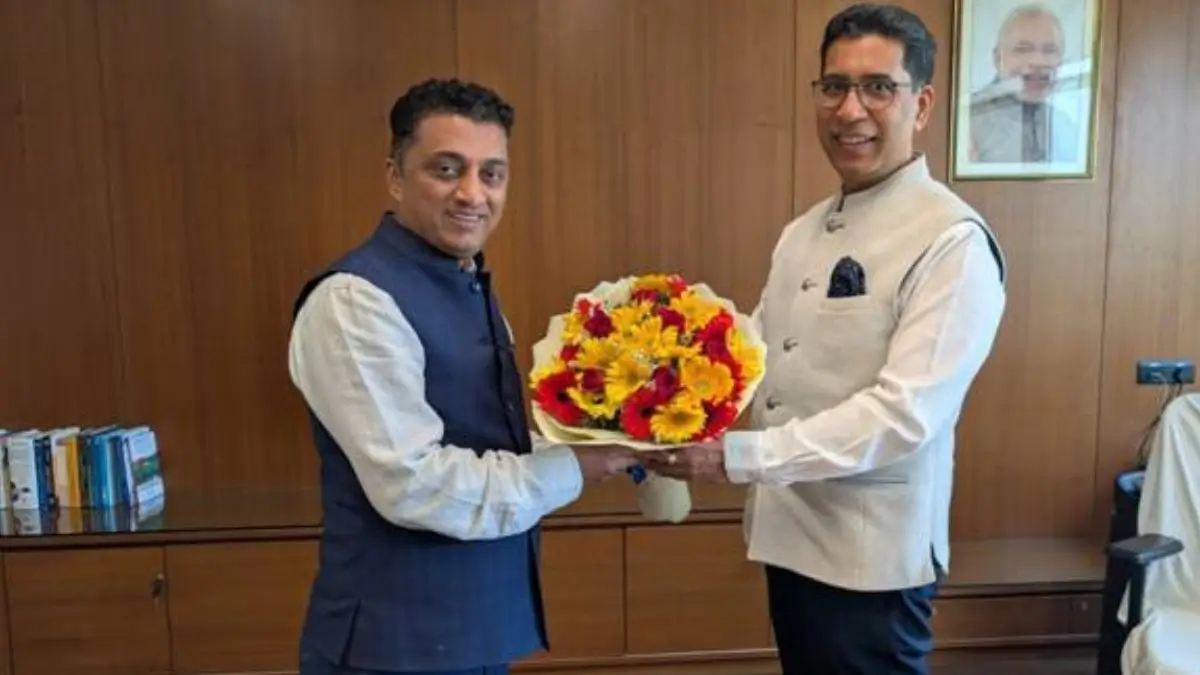
India’s defence sector witnessed a significant leadership transition in early February 2026 with the appointment of Shri Divakar Jayant as the new Director General of Naval Armament (DGONA) under the Ministry of Defence. This strategic change was officially announced by the Press Information Bureau, marking a key development in the Indian Navy’s armament and logistics framework.
Shri Divakar Jayant, a senior officer from the Indian Naval Armament Service (INAS) of the 1991 batch, assumed office on 2 February 2026, succeeding Shri P. Upadhyay who superannuated on 31 January 2026. With over three decades of experience in naval armament management and defence infrastructure planning, Jayant brings depth and expertise to a role that is critical for India’s maritime security.
Who Is Shri Divakar Jayant?
Shri Divakar Jayant’s professional journey reflects a distinguished career dedicated to the operational readiness and armament lifecycle of the Indian Navy. An Electrical Engineering graduate from IIT Delhi, he entered the Indian Naval Armament Organisation on 28 December 1992 and has since held multiple key leadership positions. His past roles include serving as Chief General Manager and General Manager/Principal Director at major Naval Armament Depots in Mumbai, Visakhapatnam, and Alwaye, as well as important staff roles at Naval Headquarters and the Ministry of Defence.
Jayant’s technical expertise spans life‑cycle management of torpedoes, planning and execution of explosive infrastructure projects, and extensive experience in human resource and administrative management, equipping him to lead the Navy’s armament function effectively. He has also completed the Advanced Professional Programme in Public Administration (APPPA), a course that enhances strategic leadership and governance skills.
Role and Significance of DGONA
The Director General of Naval Armament is a pivotal position within the Indian Navy responsible for the management, maintenance, procurement, and life‑cycle support of all naval weapons systems and armament depots across the country. This includes armaments such as ammunition, torpedoes, explosive storage infrastructure, and depot operations that ensure the combat readiness and safety of naval assets.
In a phase where India’s maritime strategy is increasingly focused on indigenous defence capabilities, modernisation, and logistical resilience, the DGONA plays a vital role in sustaining the operational effectiveness of the Indian Navy’s warfighting machinery. The leadership change is therefore not just a routine appointment but a strategic decision impacting national defence preparedness.
Strategic Implications of the Appointment
Shri Divakar Jayant’s appointment comes at a time when the Indian Navy is advancing several key defence procurement and modernisation initiatives, including the induction of new ships and submarines, enhanced ammunition production, and self‑reliance in defence manufacturing. Efficient armament management ensures that these platforms remain combat‑ready, reflecting India’s broader strategic priorities in the Indo‑Pacific region.
The DGONA role also bridges defence logistics with technological advancements, contributing to the development of secure and robust armament infrastructure that aligns with national security objectives. With Jayant at the helm, the Indian Naval Armament Division is poised to strengthen India’s naval deterrence and tactical agility.

Why This News Is Important
Significance for Defence Services Aspirants
The appointment of a new Director General of Naval Armament holds special importance for students preparing for defence and civil service examinations (such as NDA, CDS, UPSC, SPSC) as it highlights the ongoing leadership transitions within India’s defence establishment. Such updates are frequently asked in general awareness sections, especially in questions related to defence organisation and key administrative changes.
Strategic and Operational Implications
This leadership change reflects broader strategic trends in India’s defence modernisation efforts. The DGONA oversees crucial areas like weapons lifecycle management, explosive infrastructure planning, and depot operations — all of which contribute directly to national security. Understanding these roles helps exam aspirants build deeper insights into how defence logistics and armament support operational readiness.
Relevance for National Security Focus
India’s geopolitical environment, especially in the maritime domain, requires robust logistics management and leadership at strategic positions. The DGONA ensures that the Indian Navy’s armament infrastructure is capable of meeting both current and future challenges. This news informs students about the mechanisms behind defence preparedness and self‑reliance in weapons management.
Useful for Interviews and Essays
For aspirants targeting positions in services like IAS, IPS, IFS, and other government posts, knowledge of such appointments demonstrates an understanding of national institutional frameworks — a key factor in interviews and descriptive papers where current defence affairs are discussed.
Historical Context: Evolution of Indian Naval Armament Leadership
India’s naval armament leadership has evolved significantly as part of the broader development of the Indian Navy’s support services. The Indian Naval Armament Service (INAS) was established to professionalise the management of armament and explosive infrastructure within the Navy. Officers from this cadre are tasked with ensuring safe storage, maintenance, lifecycle support, and logistical efficiency of naval weapons.
Over the decades, as India’s naval capabilities expanded with advanced warships, submarines, and missile systems, the role of DGONA became increasingly strategic. This is due to the need for rigorous armament lifecycle planning and safety standards that directly influence combat readiness. Leadership changes in such positions therefore reflect not just administrative reshuffle but continued emphasis on operational efficiency and national security objectives.
Key Takeaways from “Leadership Change at Naval Armament”
| S.No. | Key Takeaway |
|---|---|
| 1 | Shri Divakar Jayant, INAS, appointed Director General of Naval Armament on 2 February 2026. |
| 2 | He succeeded Shri P. Upadhyay, who superannuated on 31 January 2026. |
| 3 | DGONA is responsible for managing naval weapons, ammunition, and armament infrastructure. |
| 4 | Jayant brings over 33 years of experience, with expertise in torpedoes and explosive infrastructure planning. |
| 5 | The appointment reflects India’s focus on strengthening defence logistics and maritime operational readiness. |
FAQs: Frequently Asked Questions
1. Who is the new Director General of Naval Armament?
Shri Divakar Jayant, an officer of the Indian Naval Armament Service (INAS), assumed office as DGONA on 2 February 2026.
2. Who did Shri Divakar Jayant succeed as DGONA?
He succeeded Shri P. Upadhyay, who superannuated on 31 January 2026.
3. What is the role of the Director General of Naval Armament?
DGONA is responsible for the management, procurement, maintenance, and lifecycle support of all naval weapons, ammunition, and armament depots across India.
4. What is the significance of this leadership change?
The appointment strengthens India’s naval armament management, operational readiness, and defence logistics, which are critical for national security and maritime strategy.
5. Which educational background does Shri Divakar Jayant have?
He is an Electrical Engineering graduate from IIT Delhi and has completed the Advanced Professional Programme in Public Administration (APPPA).
6. Why is this news important for government exam aspirants?
Knowledge of defence appointments like DGONA is relevant for current affairs, general awareness, and defence-related questions in exams such as UPSC, CDS, NDA, and state PSCs.
7. What is the Indian Naval Armament Service (INAS)?
INAS is a specialised cadre responsible for armament management, depot operations, and safe storage of ammunition and weapons for the Indian Navy.
8. How does DGONA contribute to India’s national security?
By ensuring operational readiness through efficient weapons management, lifecycle support, and logistical planning, DGONA enhances the Navy’s combat capabilities.
Some Important Current Affairs Links