








Germany Election 2025: Friedrich Merz to Become Chancellor as CDU Secures Victory
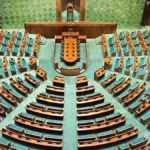
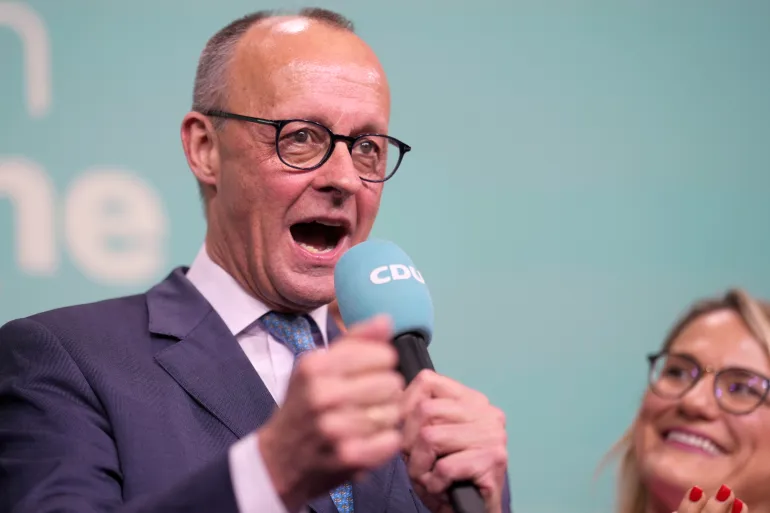
Germany is undergoing a significant political transition following the recent federal elections held on February 23, 2025. Friedrich Merz, leader of the Christian Democratic Union (CDU), has emerged victorious, positioning himself to become the next Chancellor. This election marks a pivotal shift in Germany’s political landscape, with the far-right Alternative für Deutschland (AfD) securing its best-ever result, becoming the second-largest party in the Bundestag.
Friedrich Merz’s Path to Chancellorship
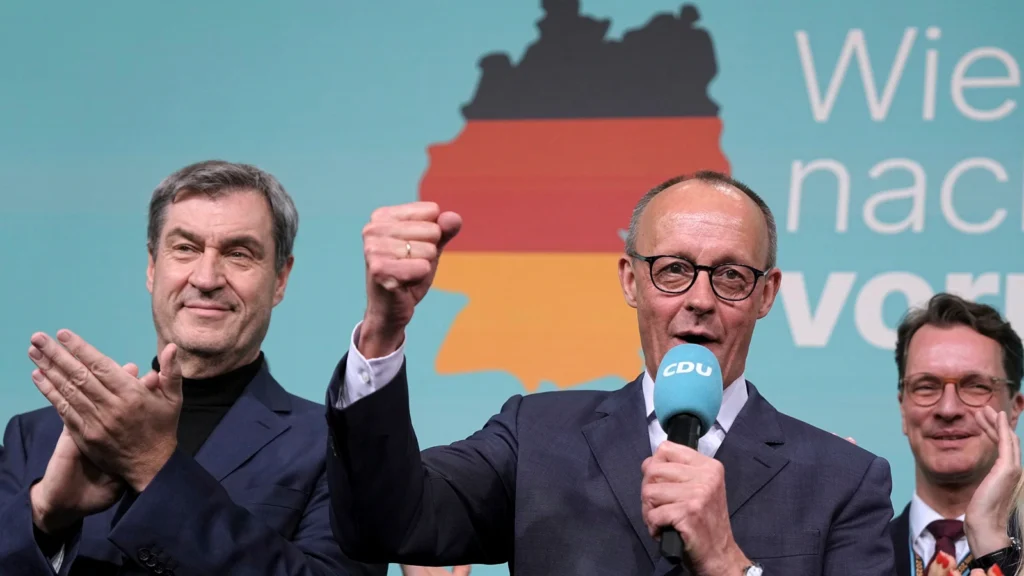
Friedrich Merz, a seasoned politician and leader of the CDU, led his party to secure 208 seats in the 630-seat Bundestag. Despite this plurality, the CDU/CSU bloc requires a coalition partner to achieve a governing majority. Merz has expressed intentions to form a coalition government promptly, aiming to address pressing issues such as economic revitalization, defense spending, and migration policies. The most likely coalition partner appears to be the Social Democrats (SPD), who hold 120 seats, potentially leading to a ‘grand coalition’. Negotiations will involve aligning on policy agendas and ministerial appointments, with both parties needing to reconcile differing views on key issues.
Rise of the AfD
The election results also highlight a significant surge for the far-right AfD, which secured 152 seats, marking its most substantial parliamentary presence to date. This development has raised concerns across the political spectrum, particularly in the context of Germany’s historical experiences. Mainstream parties, including the CDU and SPD, have reiterated their refusal to collaborate with the AfD, emphasizing a commitment to democratic values and the exclusion of extremist influences from governance.
Outgoing Chancellor Olaf Scholz’s Concession
Chancellor Olaf Scholz, representing the SPD, has conceded defeat following the election outcomes. In his remarks, Scholz described the results as “bitter” for his party and expressed his intention to ensure an orderly transition of power. He emphasized the honor of serving as Germany’s ninth postwar leader and highlighted the importance of maintaining stability during the governmental shift. Scholz will continue in a caretaker capacity until the new government is formally established.
Implications for Germany’s Future
The forthcoming coalition negotiations and the formation of a new government under Friedrich Merz are poised to influence Germany’s policy direction significantly. Key areas of focus will include economic policies aimed at addressing recent recessions, defense strategies in light of evolving global dynamics, and migration policies reflecting both domestic concerns and international obligations. The political ascent of the AfD also suggests a shifting landscape that mainstream parties will need to navigate carefully to uphold democratic principles and social cohesion.
Why This News Is Important
The recent German federal election results are pivotal for several reasons. Firstly, the transition of leadership from Olaf Scholz to Friedrich Merz signifies a shift in policy direction, especially concerning economic management and defense strategies. Merz’s approach is anticipated to prioritize economic revitalization, potentially altering Germany’s fiscal policies and influencing the broader European economic landscape.
Secondly, the unprecedented success of the far-right AfD in securing the second-largest number of seats in the Bundestag reflects a significant change in voter sentiment. This surge indicates growing public support for nationalist and right-wing policies, which could impact Germany’s stance on immigration, European Union relations, and internal social policies. The mainstream parties’ commitment to excluding the AfD from coalition discussions underscores the challenges in forming a stable government while addressing the concerns of a diversifying electorate.
Lastly, the outcome of this election holds substantial implications for international relations. Germany, as Europe’s largest economy, plays a crucial role in shaping EU policies and global economic trends. A change in leadership and the potential policy shifts that accompany it could influence Germany’s alliances, trade agreements, and diplomatic engagements, thereby affecting geopolitical dynamics on a broader scale.
Historical Context
Germany’s political landscape has undergone significant transformations since the end of World War II. The postwar era saw the establishment of the Federal Republic of Germany (West Germany) and the German Democratic Republic (East Germany), leading to a period of division during the Cold War. The fall of the Berlin Wall in 1989 and subsequent reunification in 1990 marked a new chapter, with Germany emerging as a leading economic and political power in Europe.
The rise of the AfD in recent years marks a notable shift in Germany’s postwar political dynamics. Founded in 2013, the AfD initially focused on opposing the Eurozone policies but gradually shifted towards a more right-wing populist platform, emphasizing anti-immigration and nationalist rhetoric. Its increasing support reflects underlying societal debates about national identity, economic disparities, and Germany’s role within the European Union.
Key Takeaways from Germany’s 2025 Federal Election Results
| S.No. | Key Takeaway |
|---|---|
| 1 | Friedrich Merz’s CDU/CSU secured 208 seats, positioning him to become the next Chancellor. |
| 2 | The far-right AfD achieved its best-ever result with 152 seats, becoming the second-largest party. |
| 3 | Outgoing Chancellor Olaf Scholz conceded defeat, ensuring an orderly transition of power. |
| 4 | Coalition negotiations are underway, with a potential ‘grand coalition’ between CDU/CSU and SPD. |
| 5 | Mainstream parties have ruled out collaboration with the AfD, maintaining a cordon sanitaire. |
Important FAQs for Students from this News
Q1: Who is Friedrich Merz?
A1: Friedrich Merz is the leader of the Christian Democratic Union (CDU) and is set to become Germany’s next Chancellor after leading his party to victory in the 2025 federal elections.
Q2: Why is the 2025 German federal election significant?
A2: This election marks a major political shift, with CDU regaining power, the AfD achieving its best-ever result, and coalition negotiations expected to shape Germany’s future policies.
Q3: What is the significance of AfD securing the second-largest seats in the Bundestag?
A3: AfD’s rise highlights growing nationalist and anti-immigration sentiments among voters, raising concerns among mainstream parties and influencing coalition strategies.
Q4: What challenges does Friedrich Merz face in forming a government?
A4: Since CDU/CSU lacks a clear majority, Merz needs to negotiate a coalition with other parties, most likely SPD, to form a stable government.
Q5: How will this election impact Germany’s global relations?
A5: With CDU in power, Germany may focus on economic growth, defense, and stricter immigration policies, affecting its position in the EU and global diplomatic ties.
Some Important Current Affairs Links