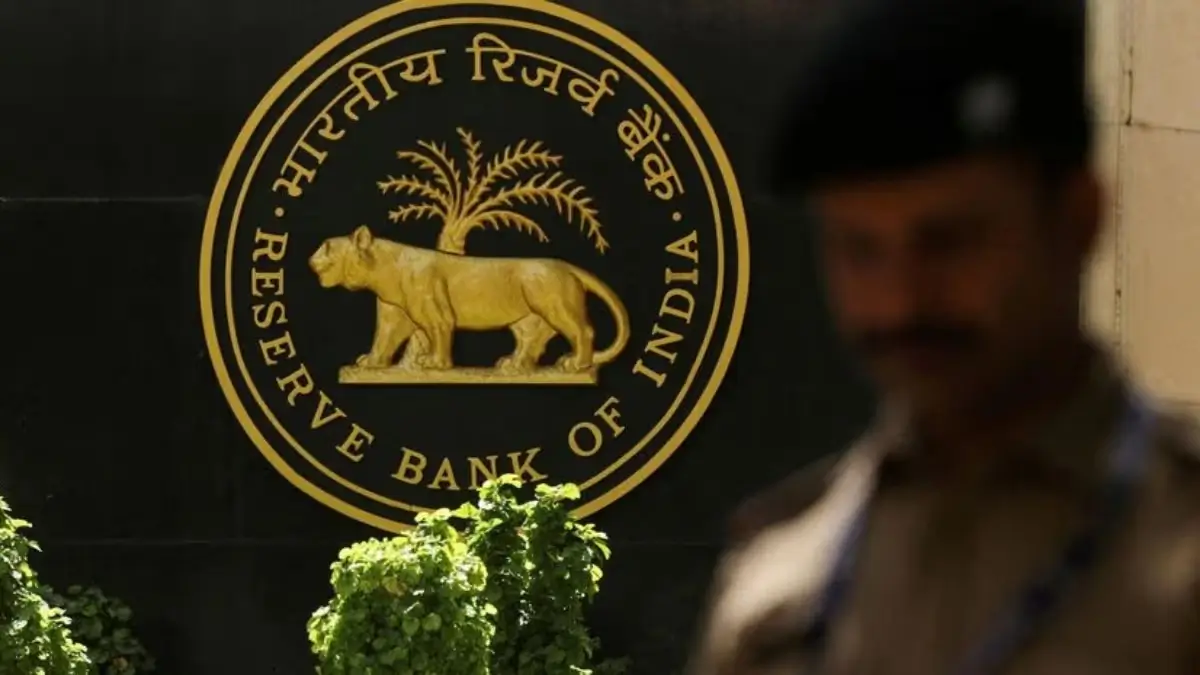










RBI executive director appointment 2025 news: Usha Janakiraman takes charge of Risk, Analytics and Vulnerability Assessment (RAVA) department to strengthen banking supervision in India.
RBI Appoints Usha Janakiraman as Executive Director: What It Means for India’s Banking Sector
New Executive Director at the Helm
On 1 December 2025, Reserve Bank of India (RBI) appointed Usha Janakiraman as its new Executive Director (ED), marking a significant development in the apex bank’s leadership.
Janakiraman succeeds in taking charge of a key department within the RBI, joining the central bank’s top management team tasked with supervising India’s banking and financial system.
Rich Experience and Strong Qualifications
She is a Chartered Accountant (CA) by qualification and brings over three decades of experience at RBI, working across various critical verticals including banking regulation and supervision, external investments and operations, public debt management, currency operations, and other central banking duties.
Before her elevation to ED, Janakiraman was the Chief General Manager-in-Charge of the Department of Regulation at RBI’s Central Office in Mumbai — a role that involved framing regulatory policies and ensuring compliance standards for banks and financial institutions.
New Role: Department of Supervision (Risk, Analytics & Vulnerability Assessment)
As Executive Director, Janakiraman is now entrusted with leading the Department of Supervision – Risk, Analytics and Vulnerability Assessment (RAVA) department.
Under her supervision, this department will focus on data-driven oversight, including monitoring risks across banks, analyzing vulnerabilities, strengthening early-warning mechanisms, and ensuring that the banking sector remains resilient against potential financial stress.
Significance Amid Evolving Banking Landscape
This appointment comes at a time when India’s banking and financial ecosystem is undergoing significant transformation — with increasing digital banking, fintech integrations, changing regulatory norms, and growing complexity in asset-liability management.
Having a leader with Janakiraman’s broad experience and regulatory insight is seen as a move to reinforce RBI’s supervisory architecture, improve risk-assessment capabilities and enhance the central bank’s readiness to proactively handle emerging challenges.

Why This News is Important
Strengthening Banking Oversight and Stability
The appointment of Usha Janakiraman to lead the supervision wing of RBI underscores the central bank’s priority on risk management and systemic stability. Her leadership in RAVA — Risk, Analytics and Vulnerability Assessment — signals a shift towards data-driven supervision and early-warning monitoring, which is essential in today’s rapidly evolving financial environment (fintech, NBFCs, digital lending). For aspirants of banking exams and civil services alike, this indicates the kind of oversight priorities — macroprudential stability, regulatory vigilance — that may shape future banking and finance policies.
Relevance for Exam Aspirants (Banking, RBI Grade-B, Civil Services)
For candidates preparing for competitive exams (like banking PO/Clerk/Specialist Officer, RBI Grade B, civil services), this news is directly relevant: it reflects evolving governance in India’s central bank. Questions in general awareness / banking-awareness / economy sections may reference such high-level appointments, their roles, and significance. Thus, knowing names, roles, departments, and broader impact helps aspirants stay up-to-date.
Signals Policy Focus & Regulatory Evolution
Janakiraman’s appointment reflects RBI’s intention to modernize supervision — leveraging analytics and vulnerability assessment rather than relying solely on traditional supervision methods. This has wider implications for banking regulation, financial stability frameworks, and possibly for policies around NBFCs, fintech regulation, and external investments. Aspirants for civil services (administration, finance, regulation) should note such shifts as part of long-term regulatory evolution in India’s financial ecosystem.
Historical Context
The Reserve Bank of India — established in 1935 — has always had a layered leadership structure, with the Governor at the top, followed by Deputy Governors, Executive Directors (EDs), and other senior officers. Traditionally, EDs have headed various departments overseeing currency management, supervision, regulation, public debt and more.
Over years, the banking landscape in India has evolved — with liberalization, growth of private sector banks, emergence of Non-Banking Financial Companies (NBFCs), fintech, digital banking, and complex cross-border finance. These changes have increased the need for robust supervision, risk monitoring, and early-warning systems to prevent systemic crises. Appointment of experienced leaders to helm supervisory wings reflects RBI’s adaptation to this evolving complexity.
Furthermore, in recent years, RBI has emphasized strengthening banking regulations, compliance norms, asset-quality reviews, and stress testing — especially after banking sector disruptions and non-performing assets issues. In this evolving scenario, an Executive Director with deep experience offers continuity and strengthens governance.
Thus, Janakiraman’s appointment comes at a strategic juncture — combining institutional memory, regulatory expertise, and renewed focus on data-led supervision, helping RBI steer through a complex, fast-changing financial ecosystem.
Key Takeaways from RBI’s Appointment of Usha Janakiraman
| S. No. | Key Takeaway |
|---|---|
| 1 | Usha Janakiraman has been appointed Executive Director (ED) of RBI effective 1 December 2025. |
| 2 | She is a Chartered Accountant with over 30 years of experience in banking regulation, supervision, public debt, currency operations and external investments. |
| 3 | Before becoming ED, she served as Chief General Manager-in-Charge at RBI’s Department of Regulation, Central Office, Mumbai. |
| 4 | As ED, she will lead the Department of Supervision — specifically Risk, Analytics and Vulnerability Assessment (RAVA) — which will oversee risk-monitoring, vulnerability assessment and data-driven supervision across banking institutions. |
| 5 | Her appointment reflects RBI’s strategic push toward stronger risk oversight and modernization of supervisory architecture — significant for banking sector stability amid increasing complexity due to fintech, NBFCs, and global finance linkages. |
FAQs: Frequently Asked Questions
1. Who has been appointed as the new Executive Director of RBI?
Usha Janakiraman has been appointed as the Executive Director of the Reserve Bank of India effective 1 December 2025.
2. What department will Usha Janakiraman lead as ED?
She will lead the Department of Supervision — specifically the Risk, Analytics and Vulnerability Assessment (RAVA) wing.
3. What is Usha Janakiraman’s professional background?
She is a Chartered Accountant (CA) with over 30 years of experience at RBI in banking regulation, supervision, public debt management, currency operations, and external investments.
4. Why is this appointment important for India’s banking sector?
Her leadership strengthens RBI’s risk monitoring, vulnerability assessment, and data-driven supervision, ensuring stability and proactive oversight of banks and financial institutions.
5. What is the significance of the RAVA department?
RAVA focuses on analyzing vulnerabilities, identifying risks, and strengthening early-warning systems for banks and financial institutions, helping prevent potential financial stress.
6. Has she held any significant position before becoming ED?
Yes, she was the Chief General Manager-in-Charge of the Department of Regulation at RBI’s Central Office in Mumbai.
7. How is this relevant for competitive exam aspirants?
Knowledge of key appointments, departments, and RBI’s supervisory initiatives is important for banking exams (PO/Clerk/Grade B), civil services, and finance-related sections.
Some Important Current Affairs Links