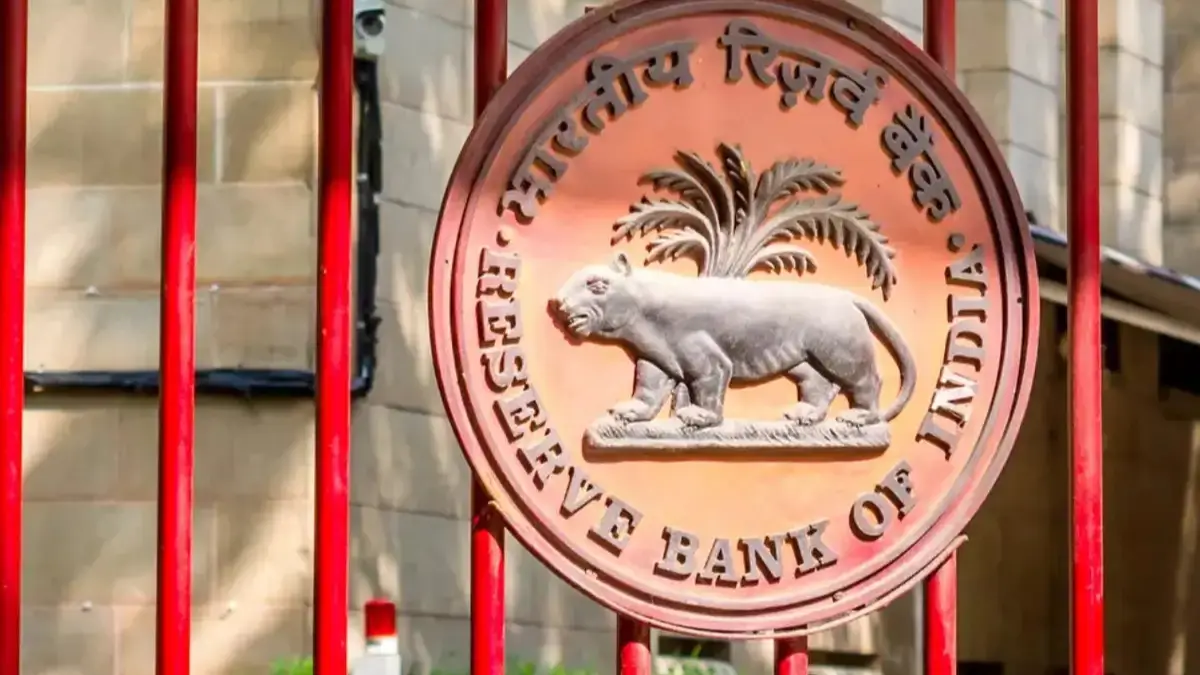









Payments Regulatory Board: RBI held its first meeting on January 5, 2026, reviewing Payments Vision 2028 and shaping India’s digital and traditional payment systems.
RBI Holds First Meeting of Payments Regulatory Board
Introduction to the Historic Meeting
The Reserve Bank of India (RBI) conducted the first meeting of the newly established Payments Regulatory Board (PRB) on January 5, 2026, in Mumbai, under the chairmanship of RBI Governor Sanjay Malhotra. This meeting marks a major milestone in the regulation and supervision of India’s payment systems in the rapidly evolving digital economy.
What is the Payments Regulatory Board (PRB)?
The Payments Regulatory Board (PRB) is a statutory regulatory authority constituted following an amendment to the Payment and Settlement Systems Act, 2007, which became effective on May 9, 2025. This new board replaces the earlier Board for Regulation and Supervision of Payment and Settlement Systems (BPSS), broadening the scope and authority to oversee both electronic and non-electronic payment systems in India.
Key Highlights of the First Meeting
During the inaugural meeting, the PRB reviewed the functions of the Department of Payment and Settlement Systems (DPSS), which now reports directly to the board. Members discussed key domestic and global payment system priorities, reflecting the importance of India’s role in international financial networks.
Payments Vision 2028
A major agenda item was the presentation and discussion of the draft Payments Vision 2028—a strategic roadmap outlining objectives to enhance the payments ecosystem over the next few years, focusing on innovation, security, and inclusivity. Board members provided guidance to strengthen the framework that supports India’s expanding digital transaction landscape.
RBI’s Digital Payments Survey
The board also examined the findings of a recent RBI-conducted survey on digital payments. This survey offers insights into trends, user behaviors, and challenges within India’s digital payment ecosystem—critical for policy formulation and regulatory reforms in the coming years.
Who Attended the Meeting
In addition to Governor Sanjay Malhotra, several senior officials participated in the meeting, including:
- Secretary, Ministry of Electronics and Information Technology
- Secretary, Department of Financial Services
- Aruna Sundararajan (IAS, Retd.)
- T. Rabi Sankar, RBI Deputy Governor
- Vivek Deep, RBI Executive Director
Their participation underscores a collaborative effort between the RBI and the Government of India to shape the future of payment regulation.
Expanded Regulatory Structure for Payment Systems
Under the new regulatory framework, the PRB is structured to include six members, including:
- RBI Governor (Chairperson),
- RBI Deputy Governor in charge of payments,
- RBI Executive Director responsible for payments,
- Three nominees from the central government.
The board is supported by the DPSS and will meet at least twice a year, ensuring transparency and direction in the growing payments domain.

Why This News is Important for Government Exam Aspirants
Boost to Financial Regulation Knowledge
The establishment and operationalization of the Payments Regulatory Board (PRB) represent a significant regulatory reform in India’s financial sector. With the digital economy expanding rapidly, understanding this new institutional framework is crucial for banking, economic, and general awareness sections of competitive exams such as:
- IAS / PCS
- RBI Grade-B
- Banking Exams (IBPS, SBI PO/Clerk)
- SSC CGL & CHSL
- Railway Exams (RRB NTPC, Group D & ALP)
Knowledge about such reforms reflects a deeper understanding of India’s monetary and financial governance mechanisms.
Relevance in Multiple Syllabus Areas
This news highlights:
- Monetary regulation
- Digital payments governance
- Banking structure reforms
- Statutory institutions under the RBI
These topics are routinely featured in the economy and banking awareness sections and often appear in prelims and mains descriptive answers as examples of regulatory evolution in India.
Direct and Indirect Impact on Economy
With the PRB’s mandate to oversee digital and traditional payment systems, the reform also signifies how India is preparing for future financial challenges—such as cyber security, financial inclusion, and cross-border payment interoperability. These areas are increasingly asked in essay and analytical sections of civil services exams.
Keyword Importance
Terms like Payment and Settlement Systems Act, Payments Vision 2028, and Department of Payment and Settlement Systems (DPSS) are becoming high-value keywords in exam questions, especially in banking and economy sections.
Historical Context: Evolution of Payment System Regulation in India
Early Payment Regulation
Since the early 2000s, the Reserve Bank of India (RBI) has been the authority regulating payment systems through the Payment and Settlement Systems Act, 2007 (PSS Act). The Act provided legal backing for RBI to regulate and supervise payment infrastructures across the country.
Board for Regulation and Supervision of Payment and Settlement Systems (BPSS)
Before 2025, the Board for Regulation and Supervision of Payment and Settlement Systems (BPSS) was the committee within the RBI’s Central Board responsible for overseeing payment systems. However, it lacked government representatives and was limited in its authority relative to the emerging needs of a rapidly digitizing economy.
Need for Reform
With the explosive growth of digital transactions (including UPI, mobile wallets, net banking, and fintech platforms), the RBI and the Government of India recognized the need for a more inclusive and empowered regulatory structure. This led to the amendment of the PSS Act in 2025, enabling the creation of the Payments Regulatory Board (PRB), which includes government nominees and broader supervisory powers.
Towards Payments Vision 2028
The PRB’s first meeting and its focus on the Payments Vision 2028 highlight India’s proactive approach toward shaping a secure, interoperable, and globally competitive payment ecosystem. This reform reflects India’s intent to balance innovation with regulation, an ongoing theme in modern financial governance.
Key Takeaways from RBI Holds First Meeting of Payments Regulatory Board
| S. No. | Key Takeaway |
|---|---|
| 1. | The RBI held the first ever meeting of the Payments Regulatory Board (PRB) on January 5, 2026, in Mumbai, chaired by Governor Sanjay Malhotra. |
| 2. | The PRB was constituted after an amendment to the Payment and Settlement Systems Act, 2007, effective since May 9, 2025. |
| 3. | The board reviewed functions of the Department of Payment and Settlement Systems (DPSS) and discussed priorities for domestic and global payment systems. |
| 4. | Draft Payments Vision 2028 was presented to guide the development of India’s payment ecosystem. |
| 5. | Senior government and RBI officials attended, showcasing collaboration between RBI and the Government of India in shaping payment regulation. |
FAQs: Frequently Asked Questions
1. What is the Payments Regulatory Board (PRB)?
The Payments Regulatory Board (PRB) is a statutory body established under the Payment and Settlement Systems Act, 2007, amended in 2025. It is responsible for regulating and supervising all payment systems in India, including both digital and non-digital modes.
2. When did the RBI hold the first PRB meeting?
The first meeting of the PRB was held on January 5, 2026, in Mumbai, chaired by RBI Governor Sanjay Malhotra.
3. What is the purpose of the Payments Vision 2028?
The Payments Vision 2028 is a strategic roadmap designed to strengthen India’s payment ecosystem, focusing on innovation, security, financial inclusion, and international interoperability in digital and traditional payment systems.
4. How many members are there in the PRB?
The PRB consists of six members:
- RBI Governor (Chairperson)
- RBI Deputy Governor in charge of payments
- RBI Executive Director responsible for payments
- Three nominees from the Government of India
5. Why was the PRB formed?
The PRB was formed to replace the BPSS and provide a more empowered and inclusive regulatory framework for India’s rapidly growing digital payments ecosystem. The inclusion of government nominees ensures collaboration between RBI and government authorities.
6. Which department supports the PRB?
The Department of Payment and Settlement Systems (DPSS) supports the PRB in policy formulation, supervision, and monitoring of payment systems in India.
7. Who attended the first PRB meeting?
Apart from the RBI Governor, attendees included senior RBI officials, secretaries from the Ministry of Electronics and IT, Department of Financial Services, and other government nominees.
Some Important Current Affairs Links