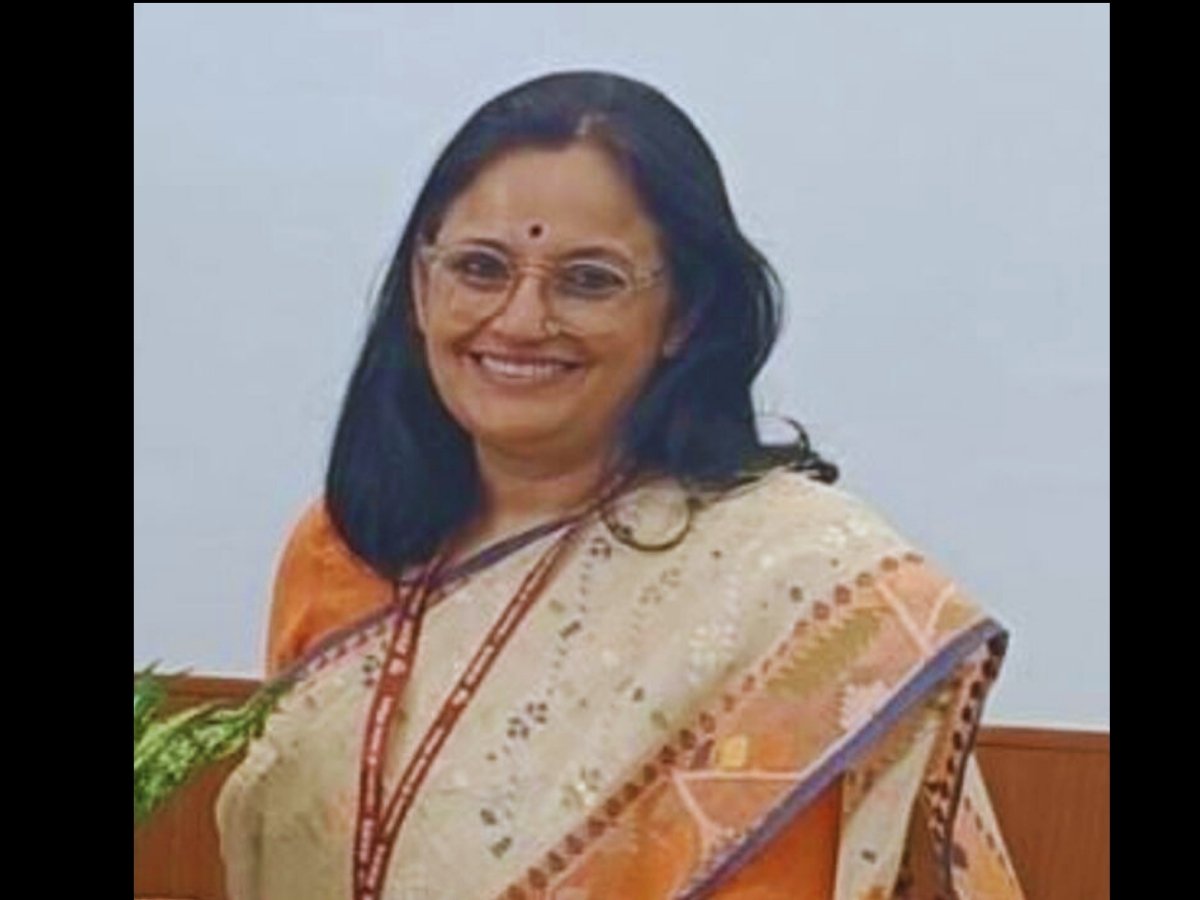
Anuradha Thakur RBI Board Appointment: 1994 IAS officer Anuradha Thakur has been nominated as Director on RBI Central Board. Know her profile, appointment details, and exam-relevant facts.
Anuradha Thakur Appointed as Director on RBI Central Board
Appointment Overview
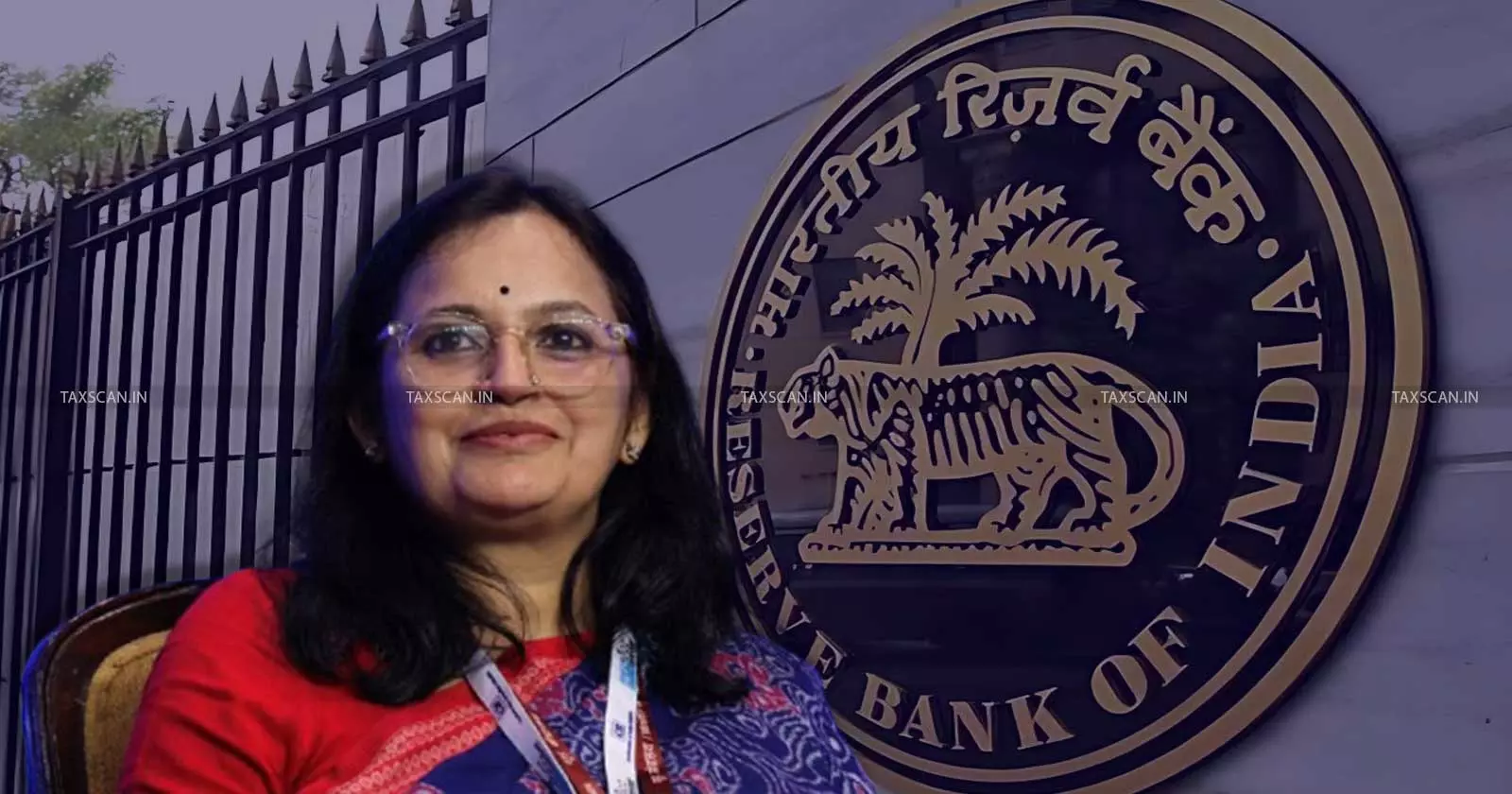
The Government of India has nominated Anuradha Thakur, the Economic Affairs Secretary, as a Director on the Reserve Bank of India’s Central Board, effective 24 July 2025. She replaces Ajay Seth, who retired on 30 June 2025 after a four-year tenure in the North Block
Profile of Anuradha Thakur
Anuradha Thakur, a 1994‑batch IAS officer of the Himachal Pradesh cadre, took charge of the Department of Economic Affairs on 1 July 2025. She is noted as the first woman to serve in this role
Significance for RBI Governance
Her inclusion in the RBI’s apex decision-making body strengthens coordination between the Ministry of Finance and the central bank. The RBI’s Central Board sets strategic direction on monetary policy, banking regulation, and economic stability
Timing Ahead of MPC Meeting
The appointment comes just ahead of the Monetary Policy Committee (MPC) meeting scheduled for 4–6 August 2025, with the policy outcome due on 6 August. The continuity afforded by Thakur’s role is critical during this monetary policy phase
Broader Policy Implications
As Economic Affairs Secretary, she will serve alongside the Financial Services Secretary (M Nagaraju) as government‑nominated directors on the RBI board. Her tenure strengthens administrative input in policy decisions affecting inflation management, banking oversight, and financial stability
Policy Coordination and Conflict of Interest Oversight
Governor Sanjay Malhotra has emphasised RBI’s focus on price stability, data-driven outlook-based policy stance, and managing conflicts of interest where financial groups operate across banking and real sectors. Thakur’s appointment is expected to reinforce these strategic areas
Why This News Is Important
Enhancing Economic Policy Alignment
The appointment of Anuradha Thakur to the RBI’s Central Board ensures stronger alignment between the Ministry of Finance and the Reserve Bank of India. Her dual role as Economic Affairs Secretary and Board Director fosters improved coordination over monetary and fiscal interventions—vital for maintaining macroeconomic stability.
Significance Ahead of Critical Monetary Decisions
Given the impending MPC meeting in August 2025—which determines key interest rate decisions—having a seasoned technocrat like Thakur onboard brings continuity and administrative depth. Candidates must note this is a high‑stakes moment for both RBI and government policy alignment.
Symbolic Milestone
Thakur becoming the first woman Economic Affairs Secretary highlights India’s strides in gender representation at senior policy levels. For exams like UPSC and PCS, this underscores evolving diversity in India’s civil service leadership.
Historical Context
Evolution of RBI’s Central Board Structure
Established under the RBI Act, 1934, the Reserve Bank of India commenced operations on 1 April 1935 and was nationalised on 1 January 1949. Its Central Board of Directors is the apex decision-making body responsible for overarching financial governance
Composition
The Board includes the Governor, up to four Deputy Governors, two official nominees from the Ministry of Finance (traditionally the Economic Affairs and Financial Services Secretaries), along with external and regional board–representatives.
Role of Government Nominees
Government‑nominated directors ensure that RBI’s monetary and regulatory functions remain in sync with broader economic and fiscal policy objectives. Over the years, this structure has been pivotal in maintaining policy coherence between the RBI and the central government.
Key Takeaways from “Anuradha Thakur RBI Director Appointment”
| S.No | Key Takeaway |
|---|---|
| 1 | Anuradha Thakur, Economic Affairs Secretary, has been nominated as Director on the RBI Central Board, effective 24 July 2025. |
| 2 | She replaces Ajay Seth, who retired on 30 June 2025 after four years in office. |
| 3 | Thakur is a 1994 IAS officer from the Himachal Pradesh cadre and became the first woman Economic Affairs Secretary. |
| 4 | Her appointment strengthens policy coordination between the Ministry of Finance and RBI, especially ahead of the MPC meeting (4–6 August 2025). |
| 5 | As a government-nominated RBI board member alongside the Financial Services Secretary, she will support key RBI objectives: price stability, banking regulation, and managing conflicts of interest. |
Frequently Asked Questions (FAQs)
1. Who is Anuradha Thakur?
Anuradha Thakur is a 1994-batch IAS officer from the Himachal Pradesh cadre. She currently serves as the Secretary of the Department of Economic Affairs in the Ministry of Finance and has been nominated as a Director on the RBI Central Board.
2. What is the significance of her appointment to the RBI Board?
Her appointment ensures better coordination between the RBI and the Ministry of Finance, especially in formulating and implementing monetary and fiscal policies.
3. What is the RBI Central Board?
The RBI Central Board is the apex decision-making body of the Reserve Bank of India. It formulates the bank’s broad policy directions in banking regulation, monetary policy, and financial supervision.
4. Who did Anuradha Thakur replace on the RBI board?
She replaced Ajay Seth, the former Economic Affairs Secretary, who completed his tenure on 30 June 2025.
5. When is the next Monetary Policy Committee (MPC) meeting scheduled?
The next MPC meeting is scheduled to be held from 4–6 August 2025, with the policy announcement on 6 August 2025.
6. What role does the Economic Affairs Secretary play on the RBI Board?
As a government nominee, the Economic Affairs Secretary ensures that central banking decisions are aligned with the fiscal policies of the government.
7. Why is this appointment relevant for competitive exams?
It is relevant for questions under Economy, Governance, RBI functions, Civil Services positions, and Women in Administration—key areas in UPSC, SSC, Banking, and State PCS exams.
Some Important Current Affairs Links