





Satish Kumar Appointed as Railway Board Chairman and CEO
Satish Kumar’s New Role in Indian Railways
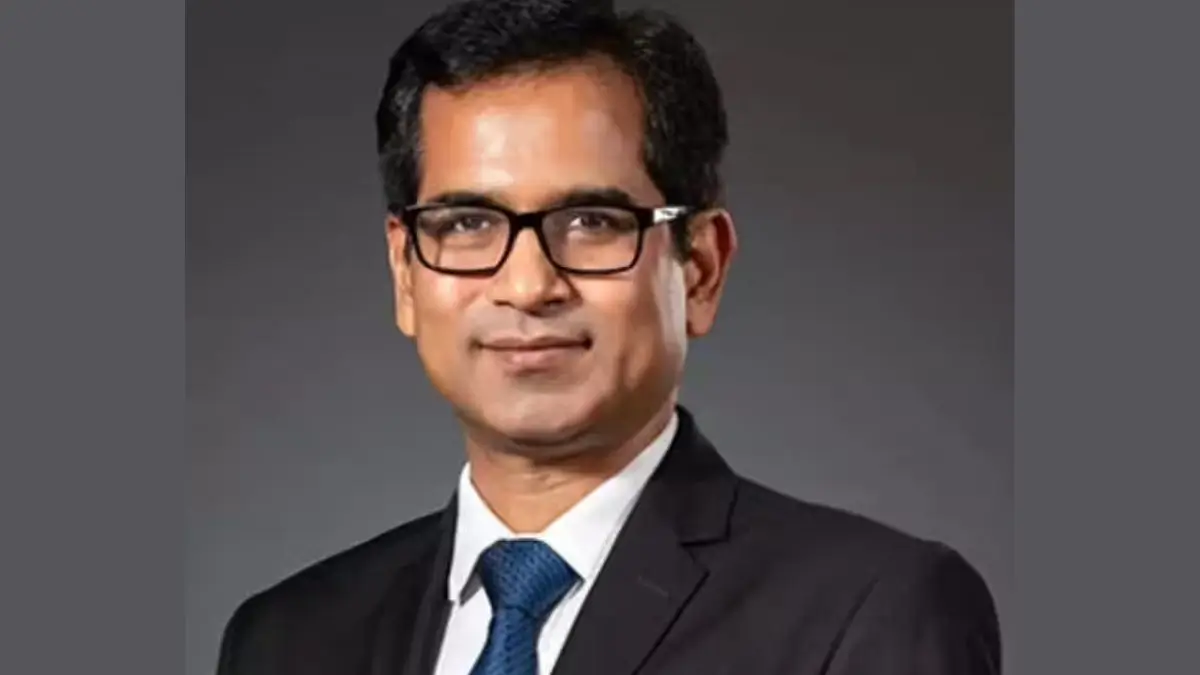
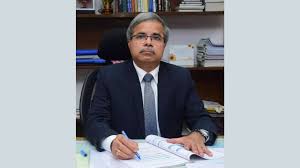
In a significant development for the Indian Railways, Satish Kumar has been appointed as the new Chairman and Chief Executive Officer (CEO) of the Railway Board. This appointment marks a pivotal moment for the organization, known for its vast network and critical role in India’s transportation infrastructure. Satish Kumar, an esteemed officer with extensive experience in railway operations, will be at the helm of managing one of the world’s largest railway networks.
Significance of the Appointment
Satish Kumar’s appointment comes at a crucial time when Indian Railways is undergoing a major transformation. The Indian government has been focusing on modernizing the railway system to enhance efficiency, safety, and passenger comfort. Kumar’s leadership is expected to drive these initiatives forward, with a particular emphasis on accelerating the implementation of advanced technologies and improving operational protocols.
Strategic Goals and Vision
Under Satish Kumar’s leadership, the Railway Board aims to address several key areas of concern, including upgrading infrastructure, reducing delays, and increasing overall system reliability. The strategic goals include the expansion of high-speed rail services, enhancing connectivity in remote regions, and implementing green technologies to make rail transport more sustainable.
Challenges and Opportunities
The Indian Railways faces numerous challenges such as outdated infrastructure, frequent service disruptions, and the need for significant investments in modernization. However, these challenges also present opportunities for growth and improvement. Satish Kumar’s appointment is seen as a strategic move to harness his expertise and vision to navigate these challenges effectively and leverage the opportunities for transforming the railways into a more efficient and passenger-friendly network.
Impact on Future Railway Projects
Satish Kumar’s leadership is anticipated to have a profound impact on upcoming railway projects. His experience and strategic acumen will be crucial in steering large-scale projects such as the development of new rail corridors, the introduction of advanced safety measures, and the integration of digital technologies for better management and service delivery.

Why this News is Important
Strengthening Leadership in Indian Railways
The appointment of Satish Kumar as the Chairman and CEO of the Railway Board is a strategic decision by the Indian government to strengthen the leadership of one of the largest and most crucial public sector enterprises. His extensive experience and expertise in railway operations are expected to bring a fresh perspective and drive significant improvements in the sector.
Accelerating Modernization Efforts
Indian Railways has been at the forefront of modernization efforts aimed at enhancing the efficiency and safety of rail transport. Satish Kumar’s appointment is timely as it aligns with ongoing efforts to modernize the rail network, including upgrading infrastructure, introducing high-speed trains, and incorporating advanced technologies. His role will be pivotal in accelerating these modernization efforts.
Addressing Systemic Challenges
The Indian Railways faces numerous systemic challenges, including outdated infrastructure, frequent delays, and the need for significant upgrades. Satish Kumar’s leadership is expected to address these challenges head-on, focusing on improving operational efficiency, reducing delays, and enhancing passenger experience.
Impact on Future Rail Projects
The future of several high-profile rail projects depends on effective leadership. Satish Kumar’s appointment is expected to positively influence the execution and success of these projects, which include the expansion of rail networks, introduction of new services, and implementation of green technologies.
Long-term Benefits for Passengers and the Economy
Improving the efficiency and reliability of Indian Railways has long-term benefits for passengers and the national economy. Enhanced rail services can lead to better connectivity, reduced travel times, and economic growth through improved logistics and transportation infrastructure. Satish Kumar’s leadership is expected to play a crucial role in realizing these benefits.
Historical Context
Background of Indian Railways
Indian Railways, established in 1853, is one of the world’s largest railway networks. Over the years, it has played a critical role in India’s economic development by providing a vital mode of transportation for passengers and freight. The organization has undergone various phases of modernization and expansion, with a focus on improving infrastructure, safety, and efficiency.
Previous Leadership and Reforms
The role of Chairman and CEO of the Railway Board has been pivotal in shaping the direction of Indian Railways. Previous leaders have overseen significant reforms, including the introduction of high-speed trains, modernization of rail infrastructure, and the adoption of new technologies. Satish Kumar’s appointment continues this legacy of reform and modernization.
Current Modernization Efforts
The Indian government has been actively pursuing modernization initiatives for Indian Railways, including the development of new rail corridors, upgrading existing infrastructure, and implementing advanced technologies for better management. The appointment of Satish Kumar is expected to bolster these efforts and drive further progress in the modernization agenda.
Key Takeaways from Satish Kumar’s Appointment
| Serial Number | Key Takeaway |
|---|---|
| 1 | Satish Kumar has been appointed as the new Chairman and CEO of the Railway Board. |
| 2 | His leadership is expected to drive the modernization and efficiency of Indian Railways. |
| 3 | The focus will be on upgrading infrastructure and implementing advanced technologies. |
| 4 | His appointment comes at a crucial time for addressing systemic challenges in the rail network. |
| 5 | The role will impact future high-profile railway projects and contribute to economic growth. |
Important FAQs for Students from this News
1. Who is Satish Kumar?
Satish Kumar is the newly appointed Chairman and Chief Executive Officer (CEO) of the Railway Board, responsible for overseeing the operations and modernization of Indian Railways.
2. What are the main responsibilities of the Railway Board Chairman and CEO?
The Chairman and CEO of the Railway Board are responsible for managing the vast network of Indian Railways, implementing modernization initiatives, improving operational efficiency, and ensuring passenger safety and comfort.
3. What are some key modernization goals for Indian Railways under Satish Kumar’s leadership?
Key modernization goals include upgrading rail infrastructure, introducing high-speed trains, reducing service delays, and incorporating advanced technologies for better management and sustainability.
4. How does Satish Kumar’s appointment impact current and future railway projects?
Satish Kumar’s appointment is expected to positively influence the execution and success of ongoing and upcoming railway projects, including infrastructure expansion, new rail services, and the integration of green technologies.
5. Why is the appointment of Satish Kumar significant for Indian Railways?
The appointment is significant as it comes at a crucial time when Indian Railways is focused on modernization and addressing systemic challenges. Satish Kumar’s experience and leadership are anticipated to drive these efforts forward and improve overall efficiency.
Some Important Current Affairs Links