





COAI Chairperson 2025 Abhijit Kishore reappointed for FY 2025–26. Learn how this leadership update impacts India’s telecom and Digital India push.
Abhijit Kishore Reappointed COAI Chairperson for 2025–26
Continued Leadership at COAI AGM
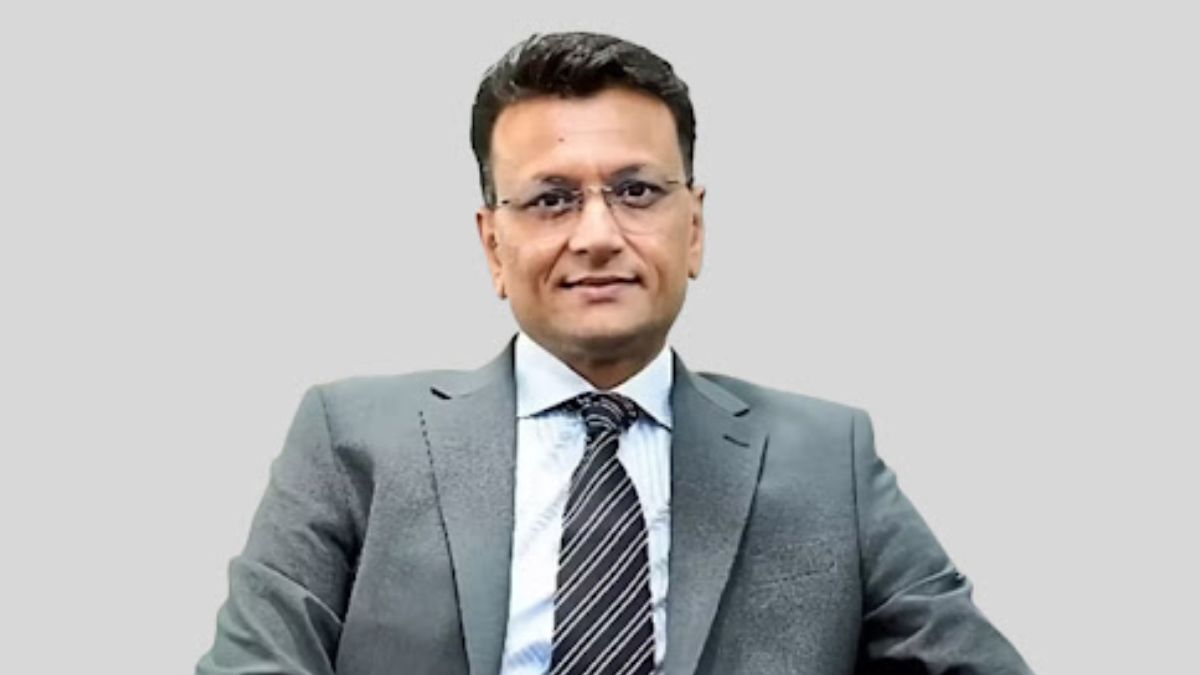
On July 9, 2025, during its Annual General Body meeting in New Delhi, the Cellular Operators Association of India (COAI) unanimously reaffirmed the leadership of Abhijit Kishore, Chief Operating Officer of Vodafone Idea, as its Chairperson for the 2025–26 term. Rahul Vatts, Chief Regulatory Officer of Bharti Airtel, was also reappointed Vice-Chairperson, continuing the duo’s proven partnership
Recognising Sector Expertise
COAI’s choice to retain this leadership reflects their deep expertise. Kishore brings over three decades in India’s telecom industry and previously helmed Vodafone Idea’s enterprise business. Vatts, with around 30 years of experience, excels in spectrum policy, licensing, regulatory affairs, and government relations
CGrowth and 5G Rollout Strategy
COAI Director-General SP Kochhar lauded both leaders for steering the industry effectively in FY 2024–25. With India continuing its 5G rollout and digital infrastructure expansion, their continued tenure is expected to guide telecom sector efforts in enhancing connectivity, innovation, and regulatory alignment
Telecom: Backbone of the Digital Economy
Kochhar emphasised telecom’s central role beyond connectivity, describing it as “a value‑added horizontal” supporting various sectors—banking, defence, education, healthcare—as they digitise and modernise Under Kishore and Vatts, COAI aims to solidify telecom’s position as a critical enabler of India’s economic growth.
Industry Unity and Policy Dialogue
As COAI’s representatives, Vodafone Idea, Airtel, and Reliance Jio benefit from a unified voice in regulatory and policy discussions. With leadership continuity, the association anticipates steady advocacy on spectrum auctions, policy clarity, and faster rollouts—imperative for aspirants in exams such as UPSC, SSC, Banking, Railways, Defence, and State PSCs.

Why This News Is Important
Relevance for Government Exam Aspirants
Leadership changes within COAI reflect evolving regulatory frameworks and real-world governance structures—key topics in General Studies for exams like UPSC, State PSC, SSC, and Banking PO. Understanding how private sector bodies contribute to policymaking builds essential context for questions on public–private collaboration and telecom policy.
Impact on Digital India & Sectoral Growth
India’s telecom industry is a linchpin in the government’s Digital India initiative. COAI’s stable leadership under Kishore and Vatts signals continuity in advocacy for 5G expansion, spectrum management, and regulatory alignment—factors that directly impact sectors such as defence communications and banking digital infrastructure.
Link to Syllabus Topics
This appointment ties into core exam areas:
- Economy & Infrastructure – telecom’s role in GDP and service delivery
- Governance & Regulation – how industry bodies influence policy
- Science & Technology – deployment and regulation of technologies like 5G
Understanding such appointments helps bridge the gap between theory and ongoing national developments.
Historical Context – COAI and Its Strategic Role
COAI’s Origins and Mandate
Formed in 1995, COAI represents India’s top telecom operators, including Airtel, Vodafone Idea, Jio, and others. As a forum for unified industry views, it engages with the Department of Telecommunications and TRAI (Telecom Regulatory Authority of India) on issues like spectrum allocation, licensing, and policy reforms.
Past Leadership & Achievements
Previously led by representatives from Airtel and Vodafone, COAI has driven historic policy shifts: accelerated 4G rollout, harmonised spectrum auctions, and contributions to 5G trials. Under Kishore’s previous term, COAI advocated for consumer-centric regulations and rural connectivity programs.
Strategic Importance in 5G Era
With India entering the 5G landscape, COAI’s voice in spectrum and regulatory coordination is critical. Its advocacy has helped shape auction policies, ensure telecom operators adhere to global standards, and align infrastructure deployment with national digital goals.
Key Takeaways from “COAI Leadership Continuity”
| S.No | Key Takeaway |
|---|---|
| 1 | Abhijit Kishore reappointed COAI Chairperson for FY 2025–26. |
| 2 | Rahul Vatts continues as Vice‑Chairperson, bringing strong regulatory insight. |
| 3 | COAI plays a pivotal role in India’s 5G rollout and digital infrastructure. |
| 4 | Stable leadership ensures robust advocacy in spectrum policy and regulation. |
| 5 | Highlights public–private partnership in telecom—crucial for various exams. |
Frequently Asked Questions (FAQs)
1. Who is Abhijit Kishore?
Abhijit Kishore is the Chief Operating Officer of Vodafone Idea Limited and has been reappointed as the Chairperson of the Cellular Operators Association of India (COAI) for the fiscal year 2025–26.
2. What is COAI?
The Cellular Operators Association of India (COAI) is the leading industry body representing major Indian telecom service providers like Airtel, Vodafone Idea, and Reliance Jio. It acts as a policy advocacy group for regulatory reforms and telecom development.
3. Why is COAI’s leadership significant for government exams?
Understanding the leadership and function of COAI helps aspirants grasp how public-private partnerships shape national policies in telecom, which is important for exams like UPSC, State PSC, and SSC.
4. What role does COAI play in India’s digital development?
COAI is instrumental in driving telecom policies, coordinating with the government for 5G rollout, spectrum auctions, and promoting digital infrastructure crucial to Digital India initiatives.
5. How does this topic relate to exam syllabi?
This news connects with themes like economic infrastructure, science and technology (5G), governance (industry regulation), and current developments—all critical components of prelims and mains syllabi in civil services and other exams.
Some Important Current Affairs Links