








India-US agricultural exports see major growth as 75% of items now get zero tariff. Key sectors like rice, spices, tea, coffee, and fisheries gain market advantage, boosting rural incomes and trade surplus.
India’s Agricultural Exports to US Set to Rise as 75% of Items Get Zero Tariff: SBI Report
Introduction to India‑US Agricultural Trade Development
India’s agricultural exports to the United States are poised for significant growth after a State Bank of India (SBI) report revealed that nearly 75% of Indian agri‑export items will now enjoy zero tariff access in the US market. This major development is expected to boost the competitiveness and profitability of Indian agricultural products abroad, strengthen export volumes, and expand market share in one of the largest consumer markets in the world.
What the SBI Report Says on Tariff Changes
According to the SBI analysis, India currently maintains an agricultural trade surplus of around $1.3 billion with the United States. With this updated tariff structure in place, agricultural exports worth roughly $1.36 billion are set to face zero additional duties, which would make Indian products much more price‑competitive in the US marketplace.
Under the new arrangement, the tariff bars that previously hindered Indian exports have been substantially reduced or removed for a large share of agricultural commodities, encouraging export diversification and enabling Indian producers to tap into wider demand.
Key Sectors Benefiting from Zero Tariff Access
Rice Sector Gains Strong Momentum
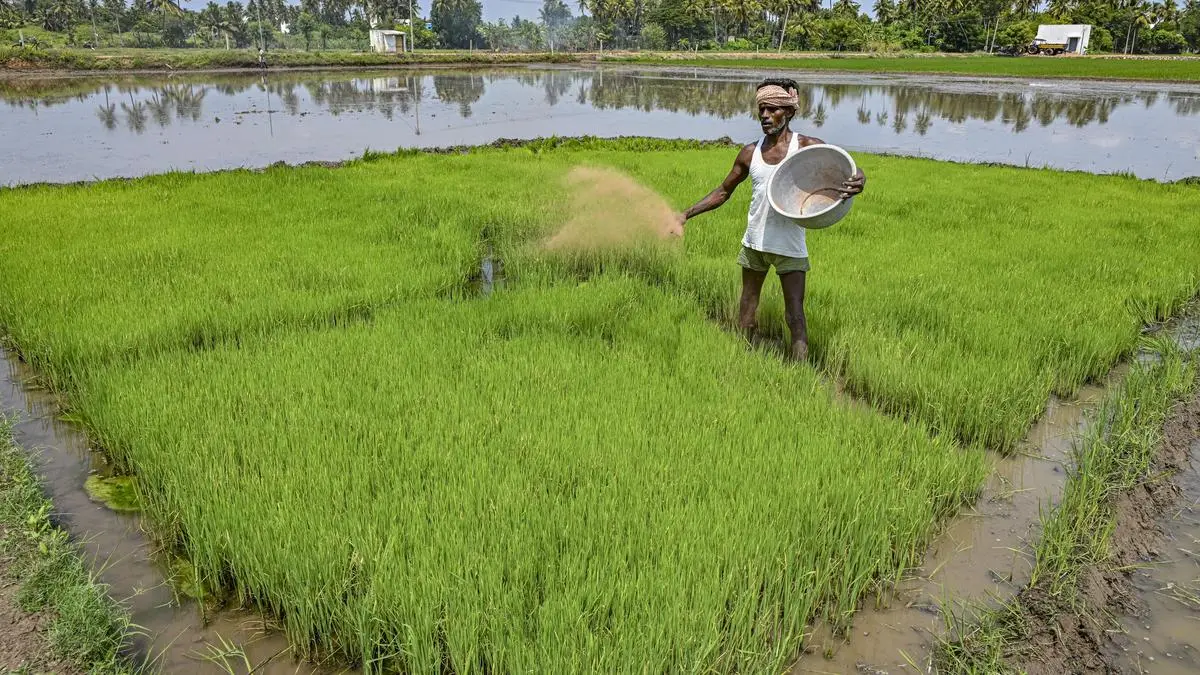
Rice, especially basmati rice, is one of India’s leading agricultural export items to the United States. With a substantial share of the rice market already sourced from India, the zero‑duty regime will likely enhance India’s exports further, supporting farmers and strengthening export revenues.
Fishery and Marine Products
The fisheries sector, which previously faced restrictive tariff structures, is expected to benefit significantly. Reduced tariff costs will help Indian fish and aquatic products become more competitive in the US, improving volumes and export earnings.
Tea, Coffee and Spices to Gain Market Share
India’s plantation crops — including tea, coffee and spices — also stand to benefit from the tariff reset. These commodities have traditionally been popular in the US, and duty‑free access will likely reinforce export growth in these segments.
Broader Economic and Export Impacts
The tariff changes come at a time when global agricultural markets are shifting due to evolving trade agreements and supply chain realignments. The zero tariff access is expected to help India:
- Expand overall market access
- Improve price realization for exporters
- Strengthen rural incomes
- Diversify agricultural export portfolios beyond traditional commodity lines.
Moreover, broader bilateral trade between India and the United States could see overall gains, with projected increases in export volumes across multiple sectors, potentially lifting the overall trade surplus.

Why This News is Important for Exam Aspirants
Relevance to Economy and Trade Syllabus
This development is crucial for aspirants studying Indian Economy and International Trade. It highlights how tariff policies influence export competitiveness, balance of trade, and foreign market access — key topics in economic sections of competitive exams like UPSC, SSC, State PSC, and banking examinations.
Impact on Agriculture and Rural Economy
With agriculture being a significant part of India’s GDP and employment, export policy changes that boost farmer incomes and foreign demand are essential for understanding rural economic dynamics — a frequent theme in civil services and teaching eligibility tests.
Link to Current Affairs and Policy Understanding
The SBI report and the tariff changes reflect India’s strategic approach in global trade negotiations and policy formulation. Questions related to India–US trade agreements, tariff revisions, and export data could appear in general awareness sections of defence, railways, and banking exams.
Value for Analytical Answer Writing
Exam papers often require candidates to analyze policy impacts and international relations dynamics. This news provides a real‑world case study to discuss trade incentives, export growth, tariff barriers, and their socioeconomic effects — skills tested in descriptive papers and interviews.
Historical Context: India‑US Trade Relations
Evolution of India‑US Bilateral Trade
India and the United States have historically maintained strong trade relations with increasing bilateral engagement over decades. Agriculture has been a key yet sensitive component of this trade, affected by tariff policies, trade negotiations, and periodic disputes.
Tariff Barriers and Trade Dynamics
Earlier in 2025, the US had imposed high tariffs — in some cases up to 50% — on Indian goods, which negatively impacted Indian exports in sectors like textiles and consumer goods. This led to a drop in export volumes and challenging market conditions.
Response and Negotiation
India’s government responded through negotiations and strategic trade discussions, leading to a recalibration of tariff rates. The SBI report reflects outcomes of such discussions, enabling most agricultural exports to enter the US market without tariff hurdles.
Agricultural Exports in the International Markets
India’s agriculture sector — including rice, spices, tea, coffee, and marine products — has been expanding its footprint globally. Trade agreements such as this one with the US represent a milestone in enhancing international market access for Indian farmers and exporters.
Key Takeaways from India‑US Agri Tariff News
| S. No. | Key Takeaway |
|---|---|
| 1 | 75% of Indian agricultural export items to the US will now enjoy zero tariff access. |
| 2 | This policy change is expected to improve price competitiveness for Indian exporters. |
| 3 | India currently has an agricultural trade surplus of about $1.3 billion with the US. |
| 4 | Key sectors such as rice, fisheries, tea, coffee and spices stand to benefit. |
| 5 | Enhanced market access is likely to support rural incomes and export diversification. |
FAQs: Frequently Asked Questions
1. What is the significance of India’s agricultural exports to the US?
India’s agricultural exports to the US contribute significantly to India’s trade surplus, provide income to farmers, and enhance global market presence for commodities like rice, spices, tea, coffee, and marine products.
2. How many Indian agricultural items will now get zero tariff in the US?
According to the SBI report, 75% of Indian agricultural export items to the US will now enjoy zero tariff access, making them more competitive in the international market.
3. Which Indian agricultural sectors will benefit the most?
Key sectors benefiting include basmati rice, fishery and marine products, tea, coffee, and spices. These are expected to see increased exports and revenue.
4. How does zero tariff access impact rural India?
Zero tariffs improve export competitiveness, increase farmer incomes, and support rural employment by creating greater demand for Indian agricultural products in the US market.
5. What is India’s current agricultural trade surplus with the US?
India currently maintains an agricultural trade surplus of around $1.3 billion with the US, which may increase further with zero tariff access.
6. Why is this news important for government exam aspirants?
This news is relevant for exams because it involves international trade policies, Indian economy, agriculture, and bilateral relations, all of which are frequently asked in UPSC, SSC, State PSC, banking, defence, and railways exams.
7. What historical trade issues existed between India and the US?
Earlier, the US imposed high tariffs on Indian goods, limiting exports. Negotiations and trade discussions have now led to tariff reductions for major agricultural products, improving market access.
Some Important Current Affairs Links