









GAIL and Verbio India Partner to Advance Agricultural Residue-Based CBG Projects
Introduction to the Partnership
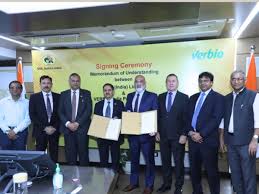
GAIL (India) Limited, one of the leading natural gas companies in India, has partnered with Verbio India, a subsidiary of the German renewable energy company Verbio. This collaboration aims to promote the production of Compressed Biogas (CBG) from agricultural residues. The partnership marks a significant step towards enhancing India’s renewable energy landscape and addressing the challenges posed by agricultural waste.
Objectives of the Collaboration
The primary objective of this partnership is to establish CBG production plants across India. By utilizing agricultural residues, the initiative seeks to convert waste into valuable energy. This project aligns with India’s commitment to sustainability and renewable energy, contributing to the country’s efforts to achieve energy security and reduce greenhouse gas emissions.
Economic Benefits for Farmers
One of the standout features of this collaboration is its potential economic impact on farmers. By converting agricultural waste into CBG, farmers can earn additional income from what was previously considered waste. This initiative not only helps in managing agricultural residue but also provides a supplementary revenue stream for farmers, thereby improving their economic conditions.
Environmental Impact and Sustainability
The partnership also focuses on promoting environmental sustainability. By converting agricultural residues into CBG, the initiative aims to reduce the burning of crop residue, which is a significant source of air pollution in India. Additionally, the production of CBG contributes to cleaner energy sources, reducing dependence on fossil fuels and lowering carbon emissions.
Government Support and Policy Framework
The Indian government has been actively promoting the production and use of biogas and CBG through various policies and schemes. This partnership is expected to benefit from the existing government framework that encourages renewable energy projects. Support from the government not only facilitates the establishment of CBG plants but also helps in creating a favorable environment for investment in renewable energy technologies.
Why This News is Important
Promoting Renewable Energy Initiatives
This partnership between GAIL and Verbio India is crucial as it promotes the development of renewable energy initiatives in India. With an increasing focus on sustainability and reducing carbon footprints, such collaborations are essential for advancing the country’s energy transition. The use of agricultural residues for energy production aligns with global trends toward cleaner and more sustainable energy sources.
Economic Empowerment of Farmers
The initiative stands to empower farmers economically by providing them with an alternative source of income. With agriculture being a primary source of livelihood for a significant portion of the Indian population, ensuring economic stability through such partnerships can lead to improved rural economies. This news highlights the importance of integrating renewable energy projects with agricultural practices for holistic development.
Environmental Protection
The environmental benefits associated with this project cannot be overstated. By reducing the practice of burning agricultural residues, the partnership contributes to improving air quality and combating climate change. The focus on sustainability is increasingly relevant in today’s context, making this collaboration noteworthy for both environmentalists and policymakers.
Alignment with National Goals
This initiative is in line with India’s national goals regarding renewable energy and sustainability. The government’s commitment to increasing the share of renewable energy in the overall energy mix is a priority, and projects like this directly support these goals. The partnership exemplifies how public and private sectors can collaborate to address pressing energy and environmental issues.
Encouraging Future Collaborations
Lastly, this news sets a precedent for future collaborations in the renewable energy sector. The successful implementation of such projects could encourage other companies to invest in renewable energy, further diversifying India’s energy portfolio. The partnership serves as a model for leveraging private sector expertise and government support in advancing sustainable energy solutions.
Historical Context
The concept of biogas production from organic waste is not new, but its application in India has gained momentum over the last decade. Historically, India has relied heavily on traditional sources of energy, leading to environmental concerns and energy insecurity. In recent years, the Indian government has implemented various policies aimed at promoting renewable energy, including biogas projects.
The National Policy on Biofuels, introduced in 2018, set ambitious targets for biofuel production, including CBG, to reduce dependency on fossil fuels. Additionally, the Pradhan Mantri Ujjwala Yojana aimed to provide clean cooking fuel to rural households, further emphasizing the need for sustainable energy sources. Partnerships like the one between GAIL and Verbio India signify a critical step in realizing these national objectives and advancing the country’s energy sustainability goals.
Key Takeaways from “GAIL and Verbio India Partner to Advance Agricultural Residue-Based CBG Projects”
| Serial Number | Key Takeaway |
|---|---|
| 1 | GAIL and Verbio India are collaborating to produce Compressed Biogas (CBG) from agricultural residues. |
| 2 | The initiative aims to provide additional income to farmers by converting waste into energy. |
| 3 | The project will help reduce air pollution caused by the burning of agricultural waste. |
| 4 | It aligns with India’s national goals for renewable energy and environmental sustainability. |
| 5 | The partnership showcases the potential for public-private collaboration in advancing renewable energy projects. |
Important FAQs for Students from this News
What is the partnership between GAIL and Verbio India about?
The partnership aims to promote the production of Compressed Biogas (CBG) from agricultural residues, enhancing India’s renewable energy landscape.
How will this partnership benefit farmers?
Farmers will have the opportunity to earn additional income by converting agricultural waste into CBG, providing them with a supplementary revenue stream.
What are the environmental benefits of producing CBG?
The initiative helps reduce air pollution by minimizing the burning of agricultural residues and promotes cleaner energy sources, contributing to lower carbon emissions.
How does this project align with government policies?
It supports India’s national goals for increasing renewable energy and sustainability, benefiting from existing government frameworks that encourage biogas and CBG projects.
What historical policies support this initiative?
The National Policy on Biofuels and the Pradhan Mantri Ujjwala Yojana are key government initiatives that aim to promote renewable energy and provide clean cooking fuel, respectively.
Some Important Current Affairs Links