






India Maldives Fisheries Agreement 2025: Explore key highlights of the MoU signed during PM Modi’s Maldives visit, promoting sustainable aquaculture, skill development, marine engineering, and strategic maritime cooperation.
India–Maldives MoU on Fisheries and Aquaculture Cooperation 2025
Strengthening Fisheries & Aquaculture Ties under India–Maldives MoU
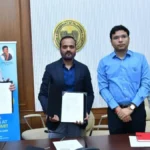
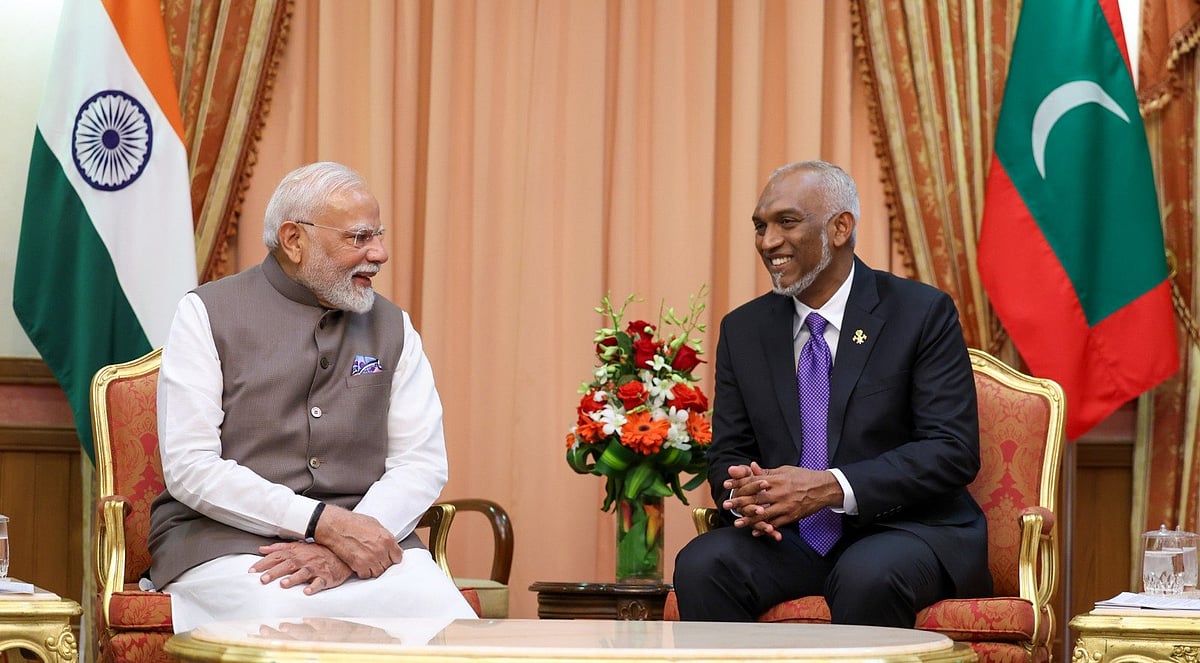
On 25 July 2025, amid Prime Minister Narendra Modi’s state visit to the Maldives, India and Maldives inked a pivotal Memorandum of Understanding (MoU) to enhance cooperation in fisheries and aquaculture—a significant move designed to bolster sustainable marine resource management
Key Objectives of the MoU
Under this agreement, both nations are set to collaborate on sustainable tuna and deep‑sea fisheries management, while advancing aquaculture practices, strengthening value‑chain development, and promoting eco‑tourism based on fisheries
Capacity Building and Skill Development Provisions
The MoU commits to knowledge transfers and training in areas including aquatic animal health, biosecurity protocols, mariculture operations, marine and refrigeration engineering, and cold chain logistics. This capacity building is expected to elevate technical and managerial competence in both countries’ fisheries sectors
Infrastructure Development Initiatives
A significant feature of the partnership is investments in cold storage infrastructure, fish processing facilities, and hatchery development. The plan also seeks to diversify species cultivated and increase production efficiency, particularly in Maldives, leveraging India’s strengths in aquaculture technology
Broader Diplomatic and Strategic Significance
This MoU forms part of a broader suite of agreements—as many as eight MoUs exchanged during the visit—covering sectors such as digital public infrastructure (UPI integration), health (Indian Pharmacopoeia recognition), meteorology, and financial credit. India also extended a Line of Credit of INR 4,850 crore (approx. USD 550–565 million), alongside a debt relief agreement reducing Maldives’s repayment burden by 40%
Looking Ahead: Economic Growth and Food Security
The fisheries and aquaculture MoU is expected to strengthen regional food security, spur bilateral economic growth, and support sustainable development goals across South Asia’s maritime sphere. Aligning India’s Neighbourhood First and Vision MAHASAGAR policies, the agreement underscores strategic alignment in the Indian Ocean region
With knowledge exchange, investment in infrastructure, and technology-led cooperation, this initiative marks a forward-looking partnership between India and the Maldives with long-term benefits for both countries.
B) Why this News is Important
Enhances Regional Food and Economic Security
This MoU directly addresses the need for sustainable fisheries and aquaculture, crucial for ensuring food security in island nations like the Maldives and coastal regions of India. Efficient collaboration in marine resource management promotes economic resilience and trade diversification.
Strengthens Bilateral Strategic Ties
Significantly, this fisheries cooperation is one among six major agreements exchanged during PM Modi’s Maldives visit, including financing instruments and digital infrastructure projects. This consolidates India’s role as a trusted neighbor and strategic partner in the Indian Ocean region
Boosts Technical and Skill Capacity
By emphasizing training in marine engineering, aquaculture farm management, and biosecurity, the MoU fosters institutional and human capital development, which is highly relevant for aspirants appearing in Indian government recruitment exams (e.g. defence, railways, civil services) where policy and international cooperation knowledge is tested.
C) Historical Context: India–Maldives Fisheries & Strategic Relations
Evolution of Bilateral Relations
India–Maldives ties date back decades, shaped by major events such as Operation Cactus (1988), where India intervened to thwart a coup, and long-term cooperation through economic aid, infrastructure assistance, and maritime agreements
Fisheries as a Continuing Focus
India has historically supported fisheries collaboration—especially tuna processing and coastal surveillance—in line with earlier initiatives, including trade agreements signed as early as 1981
Recent Diplomatic Reset
Following tensions during 2023–24 due to the Maldivian government’s pro‑China orientation, relations thawed in late 2024 and into 2025. The July 2025 visit marks a strategic reset, reaffirming India’s development partnership including debt relief, digital payments, and the present fisheries MoU
D) Key Takeaways from India‑Maldives Fisheries & Aquaculture MoU (2025)
| No. | Key Takeaway |
|---|---|
| 1 | Date & Context: MoU signed on 25 July 2025 during PM Modi’s state visit to Maldives, marking 60th anniversaries of independence and diplomatic relations. |
| 2 | Main Focus: Cooperation in sustainable tuna/deep-sea fisheries, aquaculture, value‑chain development, and eco-tourism. |
| 3 | Capacity Building: Training in aquatic health, biosecurity, mariculture, marine & refrigeration engineering, and farm management. |
| 4 | Infrastructure Support: Investments in cold‐storage units, hatchery development, fish processing and species diversification. |
| 5 | Strategic Alignment: Part of a wider set of eight MoUs, including INR 4,850 crore LoC, debt relief, UPI rollout, meteorology and pharmacopoeia cooperation. |
Frequently Asked Questions (FAQs)
1. What is the objective of the India–Maldives MoU on fisheries and aquaculture?
The primary objective is to promote sustainable fisheries and aquaculture through collaboration in technology, value chains, skill development, and infrastructure development.
2. When was the MoU on fisheries signed between India and Maldives?
The MoU was signed on 25 July 2025 during Prime Minister Narendra Modi’s state visit to the Maldives.
3. What specific areas are included under the capacity-building initiatives in this MoU?
The MoU includes training in aquatic animal health, biosecurity, marine and refrigeration engineering, cold chain logistics, and mariculture operations.
4. How does this MoU benefit India strategically?
It strengthens India’s influence in the Indian Ocean region and aligns with its ‘Neighbourhood First’ and Vision MAHASAGAR maritime strategies.
5. What other MoUs were signed during PM Modi’s 2025 Maldives visit?
Alongside fisheries, India signed MoUs on digital payment integration (UPI), meteorology, health, and extended an INR 4,850 crore Line of Credit and debt relief agreement.
6. Why is this news important for government exam aspirants?
It integrates current international affairs, economic policy, and strategic diplomacy—topics frequently covered in UPSC, SSC, defence, and state PSC exams.
7. What is the Line of Credit (LoC) value extended to Maldives in 2025?
India extended a Line of Credit worth INR 4,850 crore, which equals approximately USD 550–565 million.
8. Which species is central to the sustainable fisheries focus of this MoU?
Tuna, along with deep-sea species, is a central focus due to its commercial and ecological importance in the Indian Ocean.
9. How does this MoU support food security?
It promotes sustainable resource use, cold storage, and fish processing, thereby enhancing regional food availability and trade.
10. What international strategy of India does this MoU align with?
The MoU aligns with ‘Neighbourhood First’ and ‘Vision MAHASAGAR’—India’s maritime and regional development strategies.
Some Important Current Affairs Links