










Most Visited Monuments in India
India is a land of rich cultural heritage and history, and its monuments stand as testaments to the country’s glorious past. In this article, we will delve into the most visited monuments in India, offering a glimpse into their historical significance and relevance for students preparing for various government exams.
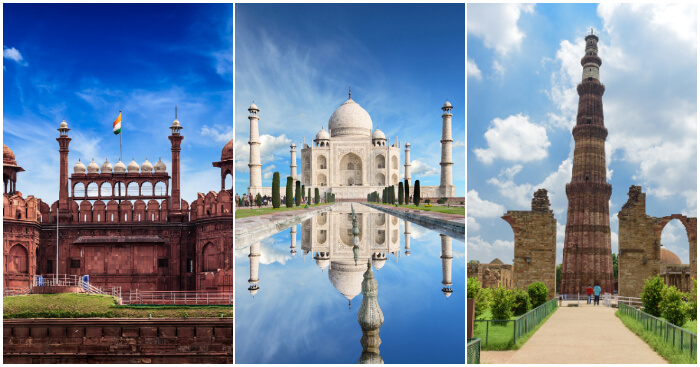
Why this News is Important
Preserving Cultural Heritage: India’s monuments represent a diverse array of architectural styles and historical eras. Understanding the importance of these monuments is crucial for candidates preparing for civil service exams, as they often deal with heritage conservation and cultural policies.
Tourism and Economy: The monuments mentioned in this article attract millions of tourists each year, significantly contributing to India’s tourism industry. Aspirants preparing for exams related to tourism and economics should grasp the significance of these sites.
Historical Context:
India’s history is deeply embedded in these monuments. From the era of Mughal emperors to the struggle for independence, these structures represent various historical periods and events that have shaped the nation’s identity.
Key Takeaways from “Most Visited Monuments in India”:
| Serial Number | Key Takeaway |
|---|---|
| 1. | Taj Mahal is an iconic symbol of love and a UNESCO World Heritage Site. |
| 2. | Red Fort played a pivotal role in India’s struggle for independence. |
| 3. | Qutub Minar stands as the world’s tallest brick minaret with historical significance. |
| 4. | Mysore Palace showcases Indo-Saracenic architecture and royal heritage. |
| 5. | Gateway of India is a significant landmark in Mumbai, reflecting historical events. |
Important FAQs for Students from this News
Q: Why is the Taj Mahal known as the symbol of love?
A: The Taj Mahal is considered the symbol of love because it was built by Emperor Shah Jahan in memory of his beloved wife, Mumtaz Mahal, as an expression of his love for her.
Q: What is the historical significance of the Red Fort?
A: The Red Fort is historically significant because it is where Jawaharlal Nehru, India’s first Prime Minister, hoisted the tricolor flag on August 15, 1947, marking India’s independence from British rule.
Q: Who built the Qutub Minar, and why is it important?
A: Qutub Minar was built by Qutb-ud-din Aibak, and it is important for its representation of victory and the Indo-Islamic architectural style.
Q: What is the architectural style of the Mysore Palace?
A: The Mysore Palace showcases Indo-Saracenic architecture, which is a blend of multiple architectural styles, including Indian, Islamic, and Gothic.
Q: What event is associated with the Gateway of India in Mumbai?
A: The Gateway of India in Mumbai is associated with the departure of the last British troops from India after gaining independence.
Some Important Current Affairs Links