






Dharmendra Pradhan Resignation NEET Row highlights the Education Minister’s decision amid NEET-UG controversy, examination reforms, accountability issues and important facts for UPSC, PCS, SSC, Banking and other government exams.
Major Political Development in India’s Education Sector
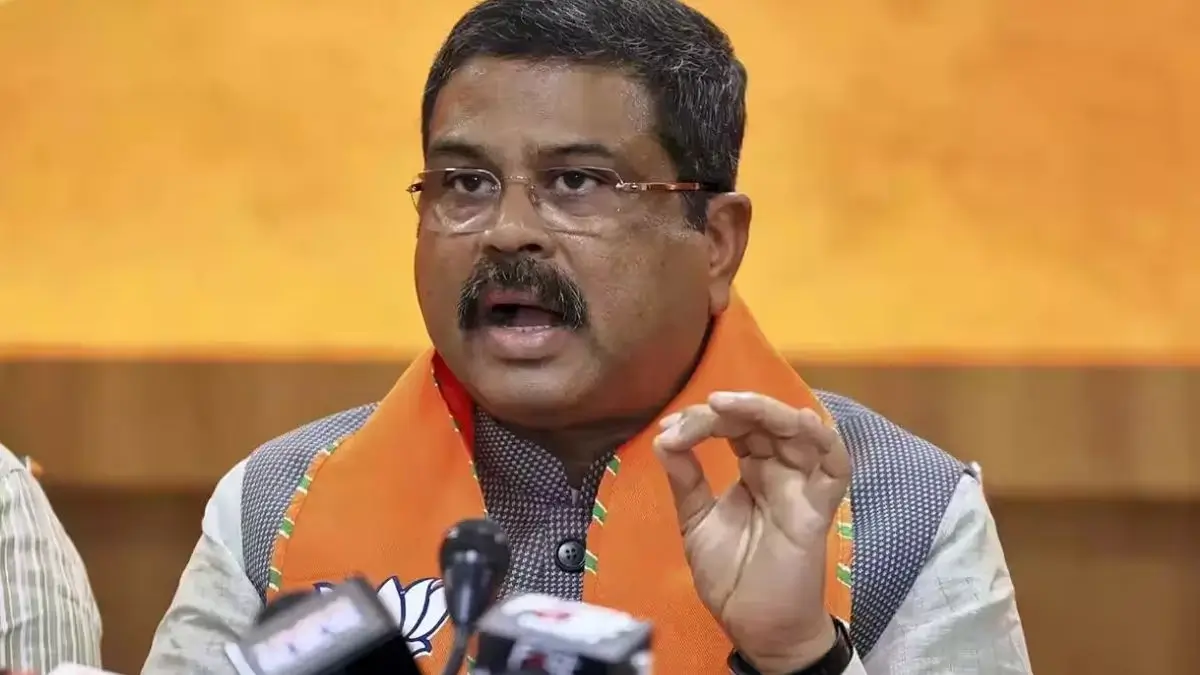
Union Education Minister Dharmendra Pradhan has resigned from his post amid mounting controversy surrounding the alleged irregularities in the NEET-UG examination. His resignation comes after sustained student protests and growing political pressure over concerns regarding examination integrity, transparency, and accountability. In his resignation letter, Pradhan stated that his decision was aimed at protecting students’ interests and ensuring that the controversy does not adversely affect their academic future.
Background of the NEET-UG Controversy
The NEET-UG examination is India’s largest undergraduate medical entrance examination, conducted for admission to MBBS, BDS, AYUSH and other medical courses. During the 2026 examination cycle, allegations of paper leaks and examination irregularities surfaced, leading to nationwide concern among students, parents, and educational institutions.
Following these allegations, the Government of India ordered an investigation by the Central Bureau of Investigation (CBI). The examination was cancelled and later conducted again to ensure fairness for more than 20 lakh candidates. Authorities also announced that future editions of NEET-UG would transition to Computer-Based Test (CBT) mode to improve security and transparency.
Reasons Behind the Resignation
In his public statement, Dharmendra Pradhan said that although corrective measures had been initiated immediately after the irregularities were detected, the continuing protests and public concern required him to take moral responsibility.
He emphasized that his resignation was intended to safeguard the future of students and prevent the issue from becoming further politicized. According to his statement, he believed stepping down would help restore public confidence in India’s examination system while allowing students to focus on their education without prolonged uncertainty.
Impact on Students and Competitive Examinations
The resignation has generated significant discussion among students preparing for various competitive examinations. Medical aspirants, educational institutions, coaching centres and policymakers are closely watching future reforms in the examination process.
The controversy has once again highlighted the importance of secure examination systems, transparent recruitment processes and stronger mechanisms to prevent malpractice. The proposed shift towards CBT-based examinations is expected to reduce the risk of paper leaks and improve overall examination integrity.
Political and Administrative Significance
The resignation is considered one of the most significant political developments related to India’s education sector in recent years. It demonstrates the importance of ministerial accountability in cases involving national examinations affecting millions of students.
The central government is expected to continue implementing reforms aimed at strengthening examination security, improving digital monitoring, and enhancing coordination among examination agencies and law enforcement authorities.
Exam Perspective
For UPSC, State PCS, SSC, Banking, Railways, Defence and Teaching examinations, this development is important because it covers topics related to:
- Governance and Accountability
- Education Reforms
- Transparency in Public Administration
- Examination Reforms
- Role of CBI in National Investigations
- Ministerial Responsibility
- Public Policy and Good Governance

Why this News is Important
Important for Governance and Polity
This development highlights the principle of ministerial accountability in a democratic system. Ministers are expected to accept responsibility for major administrative failures occurring under their departments, even when investigations are ongoing.
Important for Education Reforms
The NEET-UG controversy has accelerated discussions on making national examinations more secure. Future reforms such as CBT-based examinations, enhanced digital surveillance, stronger cybersecurity measures and improved coordination between examination agencies may significantly change India’s examination framework.
Important for Competitive Examinations
Questions related to education policy, constitutional governance, ministerial responsibility, public administration and examination reforms are frequently asked in UPSC, State PSC, SSC, Banking and other competitive examinations.
Impact on Public Trust
Public confidence in national examinations is essential because these tests determine admissions and careers of millions of students. The controversy has reinforced the need for transparent institutions, robust examination mechanisms and timely corrective action by governments.
Historical Context
Evolution of NEET
The National Eligibility-cum-Entrance Test (NEET) was introduced to create a single national entrance examination for undergraduate medical admissions across India. Over the years, NEET has replaced multiple state-level and institutional entrance examinations, bringing uniformity to medical admissions.
Previous Examination Challenges
India has witnessed several examination-related controversies involving paper leaks, impersonation and malpractice in various recruitment and entrance examinations. These incidents have led governments to strengthen digital monitoring, introduce biometric verification and improve security protocols.
Shift Towards Digital Examinations
In recent years, government agencies have increasingly adopted Computer-Based Tests (CBTs) for national examinations to minimize malpractice, improve transparency and speed up evaluation processes. The proposed CBT format for NEET represents another step in this direction.
Key Takeaways from “Dharmendra Pradhan Resigns Over NEET-UG Row”
| S. No. | Key Takeaway |
|---|---|
| 1 | Union Education Minister Dharmendra Pradhan resigned amid the NEET-UG controversy. |
| 2 | Alleged examination irregularities led to nationwide student protests and public concern. |
| 3 | The Government ordered a CBI investigation and conducted a fresh examination after cancellation. |
| 4 | Authorities announced plans to shift NEET to Computer-Based Test (CBT) mode in future. |
| 5 | The episode highlights ministerial accountability, examination reforms and governance, making it highly relevant for UPSC, PCS, SSC, Banking, Railways, Defence and Teaching examinations. |
FAQs: Frequently Asked Questions Related to Dharmendra Pradhan Resignation Over NEET-UG Row
1. Why did Dharmendra Pradhan resign as Education Minister?
Dharmendra Pradhan resigned from the post of Union Education Minister following controversy surrounding alleged irregularities in the NEET-UG examination. His resignation was linked to concerns regarding examination transparency, student protests and the need to take moral responsibility for issues affecting millions of medical aspirants.
2. What is NEET-UG?
NEET-UG (National Eligibility-cum-Entrance Test – Undergraduate) is a national-level entrance examination conducted for admission to undergraduate medical courses such as MBBS, BDS, AYUSH and other healthcare-related programmes in India.
3. Which organisation conducts the NEET-UG examination?
The National Testing Agency (NTA) conducts the NEET-UG examination on behalf of the Ministry of Education, Government of India.
4. Why is the NEET-UG controversy important for competitive exams?
The controversy is important for competitive examinations because it covers topics related to governance, education reforms, public administration, accountability, transparency in government systems and examination security.
5. What is ministerial accountability?
Ministerial accountability refers to the responsibility of ministers for the functioning and decisions of their respective ministries. In a parliamentary democracy, ministers are answerable to Parliament and the public for the performance of their departments.
6. What reforms are being considered after the NEET-UG controversy?
Following examination-related concerns, authorities have focused on improving examination security through stronger monitoring systems, digital technology, cybersecurity measures and the possible expansion of Computer-Based Testing (CBT) methods.
7. What is the role of the Central Bureau of Investigation (CBI) in examination-related cases?
The CBI investigates serious cases involving corruption, organized crime, fraud and large-scale irregularities when such cases are referred to it by the central government or state governments.
8. What is the significance of NEET-UG for medical aspirants?
NEET-UG is the gateway examination for students seeking admission to medical and dental colleges across India. Every year, millions of candidates appear for this examination to secure seats in healthcare institutions.
9. Why are examination reforms necessary in India?
Examination reforms are necessary to ensure fairness, prevent malpractice, protect students’ interests and maintain public trust in competitive examinations that determine academic and career opportunities.
10. Which competitive exams can ask questions related to this news?
Questions related to this topic can appear in UPSC Civil Services Examination, State PCS, SSC, Banking, Railways, Defence examinations, Teaching recruitment exams and other government exams under current affairs, polity and education-related sections.
Some Important Current Affairs Links