



General Dhiraj Seth 31st Army Chief Vijay Vision 2026 explained for UPSC and government exams. Learn its objectives, military modernization, defence reforms, key facts, historical context, and exam-focused takeaways.
Introduction
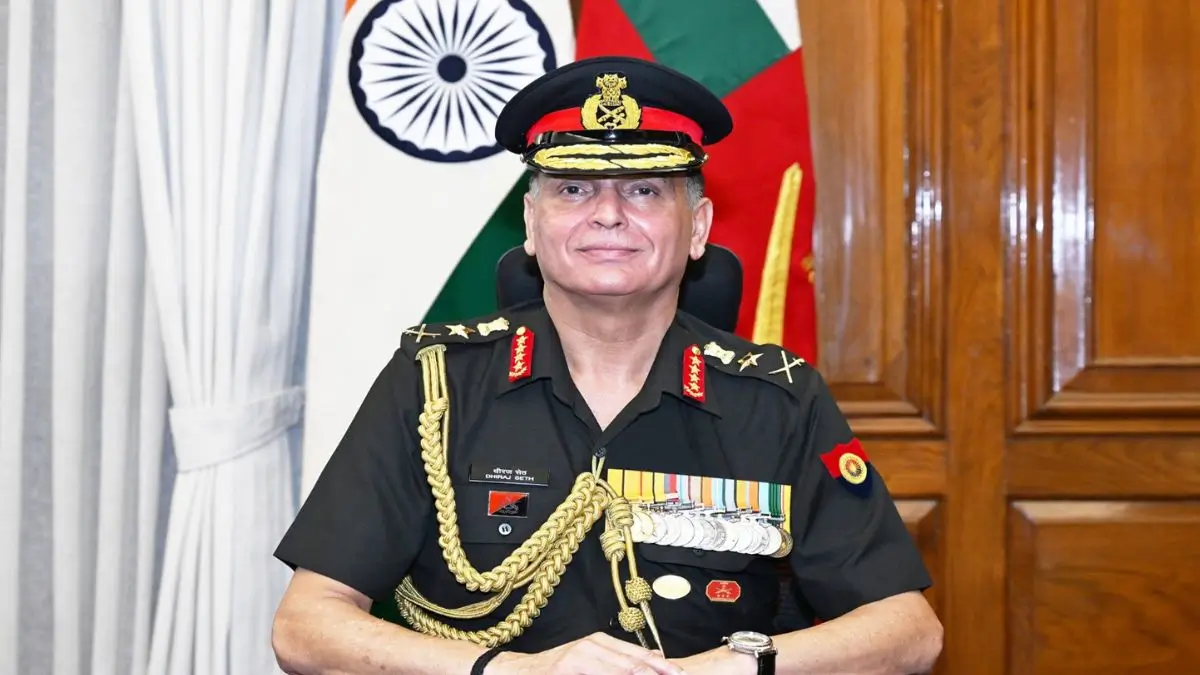
The Indian Army has entered a new phase of leadership with General Dhiraj Seth taking charge as the 31st Chief of the Army Staff (COAS). Soon after assuming office, General Seth unveiled an ambitious strategic roadmap named “Vijay Vision”, which aims to modernize the Indian Army, strengthen operational preparedness, enhance technological capabilities, and prepare the force for future warfare.
The appointment of a new Army Chief is always an important national event because the Chief of the Army Staff is responsible for leading one of the world’s largest standing armies and ensuring India’s territorial integrity and national security. General Seth’s vision focuses on transforming the Army into a modern, technology-driven, agile, and self-reliant force capable of addressing both conventional and emerging security challenges.
For students preparing for UPSC, State PSCs, CDS, NDA, CAPF, SSC, Banking, Railways, Police, and various government examinations, this development is significant as questions related to defence leadership, military reforms, national security, and modernization frequently appear in competitive exams.
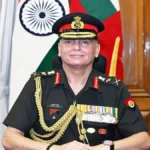
General Dhiraj Seth Takes Over as the 31st Chief of the Army Staff
General Dhiraj Seth officially assumed charge as the 31st Chief of the Army Staff (COAS) of the Indian Army after succeeding his predecessor. The appointment represents continuity in military leadership while also bringing fresh strategic priorities for strengthening India’s defence capabilities.
As the head of the Indian Army, General Seth is responsible for overseeing operational readiness, personnel management, military modernization, strategic planning, procurement reforms, training standards, and coordination with the Ministry of Defence and the Government of India.
The Chief of the Army Staff also plays a crucial role in advising the government on military matters and ensuring preparedness against conventional, hybrid, and emerging threats.
Extensive Military Experience
General Dhiraj Seth brings decades of distinguished military service to the country’s highest Army appointment. Throughout his career, he has served in various operational, command, instructional, and staff assignments across diverse geographical regions.
His professional experience includes leadership roles in high-altitude areas, counter-insurgency operations, border management, and strategic planning. Such extensive operational exposure equips him with practical understanding of India’s evolving security environment.
Senior officers who have served across multiple theatres generally possess deeper insights into logistics, troop deployment, operational planning, and military diplomacy, making them well-suited for the responsibilities of Army Chief.
What is the ‘Vijay Vision’?
One of the first major initiatives announced by General Dhiraj Seth is the “Vijay Vision”, a comprehensive strategic roadmap designed to guide the future transformation of the Indian Army.
The vision focuses on creating a force that is:
- Technology-enabled
- Operationally agile
- Mission-oriented
- Self-reliant
- Future-ready
- Capable of joint operations with other armed forces
Rather than focusing solely on conventional warfare, Vijay Vision emphasizes preparing the Army for multidimensional security challenges that include cyber threats, information warfare, artificial intelligence, drone warfare, space-enabled operations, and integrated battlefield management.
Key Objectives of Vijay Vision
Modernization of Military Capabilities
One of the primary objectives is to accelerate modernization by integrating advanced technologies into military operations.
The Army plans to adopt next-generation surveillance systems, artificial intelligence, secure communication networks, precision weapons, autonomous platforms, drones, robotics, and digital command systems.
Technology is expected to improve decision-making speed while reducing operational risks on the battlefield.
Strengthening Operational Readiness
Operational preparedness remains at the core of Vijay Vision.
The Army aims to maintain high combat readiness across all terrains including mountains, deserts, forests, and border regions.
Regular training exercises, realistic combat simulations, better logistics, and rapid mobilization capabilities are expected to improve overall operational effectiveness.
Promoting Self-Reliance in Defence
The vision strongly supports the Government of India’s Aatmanirbhar Bharat initiative.
Increasing indigenous defence production, encouraging domestic defence industries, and reducing dependence on imported military equipment are key priorities.
Greater collaboration between the Indian Army, Defence Research and Development Organisation (DRDO), public sector defence companies, private industries, and start-ups is expected to accelerate innovation.
Human Resource Development
Military modernization is not limited to equipment alone.
General Seth’s roadmap also focuses on developing highly trained soldiers capable of operating sophisticated technologies.
Professional military education, leadership development, specialized training, and continuous skill enhancement are considered essential for maintaining operational superiority.
Jointness Among Armed Forces
Another important pillar of Vijay Vision is improving coordination among the Indian Army, Indian Navy, and Indian Air Force.
Integrated planning, joint military exercises, unified operational commands, and better interoperability are expected to strengthen India’s overall defence preparedness.
This aligns with the broader national objective of creating integrated theatre commands for enhanced operational efficiency.
Importance of Technology in Future Warfare
Modern warfare has changed significantly over the past two decades.
Today’s conflicts increasingly involve artificial intelligence, drones, cyber warfare, electronic warfare, satellite-based intelligence, precision-guided weapons, autonomous systems, and data-driven decision-making.
Recognizing these changes, Vijay Vision places significant emphasis on adopting emerging technologies.
The integration of advanced digital systems is expected to improve battlefield awareness, command efficiency, surveillance capabilities, and real-time intelligence sharing among different military units.
Focus on National Security
India faces a complex security environment involving border management, cross-border terrorism, cyber threats, maritime security, and rapidly evolving geopolitical developments.
The new Army leadership aims to ensure that the Indian Army remains capable of responding effectively to both traditional and non-traditional security challenges.
Continuous modernization and improved operational capabilities will contribute to maintaining peace, protecting territorial integrity, and safeguarding national interests.
Significance for Defence Reforms
General Dhiraj Seth’s appointment comes at a time when India is implementing several defence reforms aimed at improving efficiency, promoting indigenous manufacturing, and enhancing military preparedness.
The launch of Vijay Vision reflects a long-term strategic approach rather than short-term operational planning.
By emphasizing technology, innovation, organizational reforms, human resource development, and self-reliance, the initiative seeks to prepare the Indian Army for future challenges while supporting India’s aspiration to become a leading global military power.
Conclusion
The appointment of General Dhiraj Seth as the 31st Chief of the Army Staff and the launch of Vijay Vision mark an important chapter in the evolution of the Indian Army. The initiative seeks to transform the force into a technologically advanced, highly agile, and future-ready organization capable of addressing emerging security threats.
For aspirants preparing for UPSC, State PSCs, CDS, NDA, CAPF, SSC, Banking, Railways, Police, and other government examinations, understanding this development is important because it highlights key themes such as defence modernization, military leadership, self-reliance in defence production, technological advancement, and India’s long-term national security strategy. These topics are frequently covered in current affairs, general studies, defence awareness, and interview discussions.

Why This News is Important
A Significant Change in India’s Military Leadership
The appointment of General Dhiraj Seth as the 31st Chief of the Army Staff (COAS) is a significant development in India’s defence establishment. The Chief of the Army Staff is the highest-ranking officer in the Indian Army and is responsible for leading one of the world’s largest standing armies. Any change in this position attracts national attention because the Army Chief plays a crucial role in shaping military strategy, operational preparedness, personnel management, and national security policies.
General Seth’s assumption of office comes at a time when India is facing a dynamic security environment that includes border tensions, cross-border terrorism, cyber threats, and rapidly evolving technologies in warfare. His leadership is expected to guide the Indian Army through these emerging challenges while ensuring that the force remains combat-ready and technologically advanced.
Launch of ‘Vijay Vision’ Signals Long-Term Military Transformation
One of the most important aspects of this development is the unveiling of “Vijay Vision,” a strategic roadmap for the future of the Indian Army. Rather than focusing only on present-day challenges, the vision outlines a long-term plan to transform the Army into a technology-driven, agile, integrated, and self-reliant force.
The initiative emphasizes modernization through artificial intelligence, drones, cyber capabilities, advanced surveillance systems, digital communication, and indigenous defence manufacturing. It also aligns with the Government of India’s broader goals under the Aatmanirbhar Bharat initiative and the ongoing defence reforms aimed at reducing dependence on imported military equipment.
Highly Relevant for Government Examination Aspirants
This news is highly relevant for candidates preparing for UPSC Civil Services, State PSCs, CDS, NDA, CAPF, AFCAT, SSC CGL, SSC GD, Banking, Railways, Police Recruitment, and Teaching examinations. Questions related to the appointment of constitutional and military authorities, defence modernization, national security, government initiatives, and important current affairs are frequently asked in both preliminary and main examinations.
In addition, interview panels often assess candidates’ understanding of India’s defence preparedness, strategic priorities, and military reforms. Therefore, knowledge of General Dhiraj Seth’s appointment and the objectives of Vijay Vision can help candidates answer factual as well as analytical questions confidently.
Reflects India’s Evolving National Security Priorities
The launch of Vijay Vision highlights India’s commitment to preparing for future warfare, which increasingly involves cyber operations, artificial intelligence, space-based capabilities, electronic warfare, and integrated military operations. The initiative also reinforces the importance of jointness among the Army, Navy, and Air Force, strengthening India’s overall defence architecture.
For students of current affairs, this news is not merely about a leadership change but represents a broader shift toward military modernization, strategic planning, and indigenous capability development. Understanding these developments provides valuable insights into India’s long-term defence strategy and its efforts to safeguard national sovereignty in an increasingly complex global security environment.
Historical Context
Evolution of the Office of the Chief of the Army Staff
The position of the Chief of the Army Staff (COAS) is one of the most prestigious appointments in the Indian Armed Forces. After India gained independence in 1947, the leadership of the Indian Army gradually transitioned from British commanders to Indian officers. On 15 January 1949, General K. M. Cariappa became the first Indian Commander-in-Chief of the Indian Army, marking a historic milestone in the Indianisation of the armed forces. Since then, the office has evolved into the position of the Chief of the Army Staff, responsible for leading and modernising the Indian Army.
The COAS serves as the principal military adviser to the Government of India on matters concerning the Army and is responsible for operational readiness, force modernization, personnel management, training, and strategic planning.
India’s Journey Towards Military Modernization
Since independence, India has continuously modernized its armed forces in response to changing security challenges. The 1962 Sino-Indian War, 1965 and 1971 Indo-Pakistan Wars, and the 1999 Kargil Conflict highlighted the importance of strengthening defence preparedness, improving logistics, and adopting advanced military technologies.
Over the past two decades, the Indian Army has increasingly focused on network-centric warfare, surveillance systems, precision-guided weapons, cyber security, electronic warfare, and unmanned aerial systems (drones). Modern military conflicts around the world have demonstrated that technological superiority is becoming as important as conventional combat strength.
Defence Reforms in Recent Years
The Government of India has introduced several defence reforms aimed at enhancing the efficiency and self-reliance of the armed forces. Key initiatives include the Aatmanirbhar Bharat programme in defence manufacturing, increased procurement of indigenous military equipment, promotion of private sector participation in defence production, and strengthening research through organizations such as the Defence Research and Development Organisation (DRDO).
In addition, the government has emphasized greater jointness among the Army, Navy, and Air Force through the proposed establishment of Integrated Theatre Commands. These reforms seek to improve coordination between the three services and enhance India’s overall military capability.
Emergence of Future Warfare Concepts
The nature of warfare has undergone significant transformation in the 21st century. Modern conflicts increasingly involve artificial intelligence (AI), cyber attacks, space-based intelligence, autonomous systems, drone technology, electronic warfare, and real-time data analytics. Countries around the world are investing heavily in advanced defence technologies to maintain strategic superiority.
Recognizing these global trends, the Indian Army has accelerated its efforts to adopt emerging technologies and prepare its personnel for multidimensional battlefields. The launch of “Vijay Vision” under General Dhiraj Seth builds upon these ongoing modernization efforts by providing a long-term roadmap for creating a technologically advanced, agile, and future-ready force.
Why This Historical Background Matters
Understanding the historical evolution of India’s military leadership and defence reforms helps students connect the current appointment of General Dhiraj Seth as the 31st Chief of the Army Staff with India’s broader national security objectives. Rather than being an isolated event, his appointment and the unveiling of Vijay Vision represent the continuation of India’s long-term strategy to strengthen military preparedness, promote indigenous defence production, and equip the armed forces to face both conventional and emerging security challenges.
This historical perspective is particularly important for aspirants preparing for UPSC, State PSCs, CDS, NDA, CAPF, SSC, Banking, Railways, Police, and other competitive examinations, where questions often link current affairs with historical developments and government policies.
Key Takeaways from General Dhiraj Seth Assumes Charge as 31st Army Chief and Launches ‘Vijay Vision’
| S. No. | Key Takeaway |
|---|---|
| 1 | General Dhiraj Seth has assumed charge as the 31st Chief of the Army Staff (COAS) of the Indian Army, becoming the highest-ranking officer responsible for the Army’s operational readiness, modernization, and strategic leadership. |
| 2 | He unveiled “Vijay Vision,” a long-term strategic roadmap aimed at transforming the Indian Army into a technology-driven, agile, integrated, and future-ready force capable of addressing emerging security challenges. |
| 3 | The key priorities of Vijay Vision include military modernization, operational preparedness, self-reliance in defence manufacturing (Aatmanirbhar Bharat), adoption of emerging technologies such as AI and drones, and enhanced jointness among the Army, Navy, and Air Force. |
| 4 | The initiative supports India’s ongoing defence reforms by promoting indigenous defence production, improving combat capabilities, strengthening cyber and electronic warfare preparedness, and enhancing coordination among the armed forces. |
| 5 | This development is highly important for UPSC, State PSCs, CDS, NDA, CAPF, SSC, Banking, Railways, Police, Teaching, and other government examinations, as it covers key topics such as defence leadership, military modernization, national security, and current affairs. |
Frequently Asked Questions (FAQs)
1. Who has been appointed as the 31st Chief of the Army Staff (COAS) of the Indian Army?
General Dhiraj Seth has been appointed as the 31st Chief of the Army Staff (COAS) of the Indian Army.
2. What is ‘Vijay Vision’?
Vijay Vision is a strategic roadmap unveiled by General Dhiraj Seth to transform the Indian Army into a technology-driven, agile, integrated, and future-ready force capable of addressing modern security challenges.
3. What are the major objectives of Vijay Vision?
The key objectives include:
- Military modernization
- Adoption of emerging technologies such as Artificial Intelligence (AI) and drones
- Strengthening operational readiness
- Promoting indigenous defence manufacturing
- Enhancing joint operations among the Army, Navy, and Air Force
4. What is the role of the Chief of the Army Staff (COAS)?
The COAS is the highest-ranking officer in the Indian Army and is responsible for:
- Operational preparedness
- Strategic planning
- Personnel management
- Military modernization
- Advising the Government of India on defence matters
5. Which government initiative complements the objectives of Vijay Vision?
The objectives of Vijay Vision align with the Aatmanirbhar Bharat initiative, which promotes self-reliance in defence manufacturing.
6. Why is this appointment important for India?
The appointment ensures continuity in military leadership and supports India’s efforts to strengthen national security, modernize the armed forces, and prepare for future warfare.
7. Which emerging technologies are emphasized under Vijay Vision?
The vision emphasizes:
- Artificial Intelligence (AI)
- Drone technology
- Cyber security
- Electronic warfare
- Advanced surveillance systems
- Secure digital communication networks
8. Why is this news important for competitive examinations?
It is important because questions on defence appointments, military modernization, national security, government initiatives, and current affairs are frequently asked in UPSC, CDS, NDA, CAPF, SSC, Banking, Railways, Police, and State PSC examinations.
9. What is meant by ‘jointness’ among the armed forces?
Jointness refers to improved coordination and integrated operations among the Indian Army, Indian Navy, and Indian Air Force for enhanced national defence.
10. Which competitive examinations can expect questions from this topic?
Questions may appear in:
Teaching Eligibility Exams
UPSC Civil Services
State PSCs
CDS
NDA
CAPF
AFCAT
SSC CGL
SSC GD
Banking Exams
Railway Recruitment Exams
Police Recruitment Exams
Some Important Current Affairs Links