







Delhi EV Policy 2.0 explained 2026 with new rules, subsidies, road tax exemption, scrappage incentives, petrol vehicle registration deadlines, environmental impact, MCQs, FAQs, and important facts for UPSC, SSC, Banking, Railways, Defence, Teaching, and State PSC exams.
Introduction
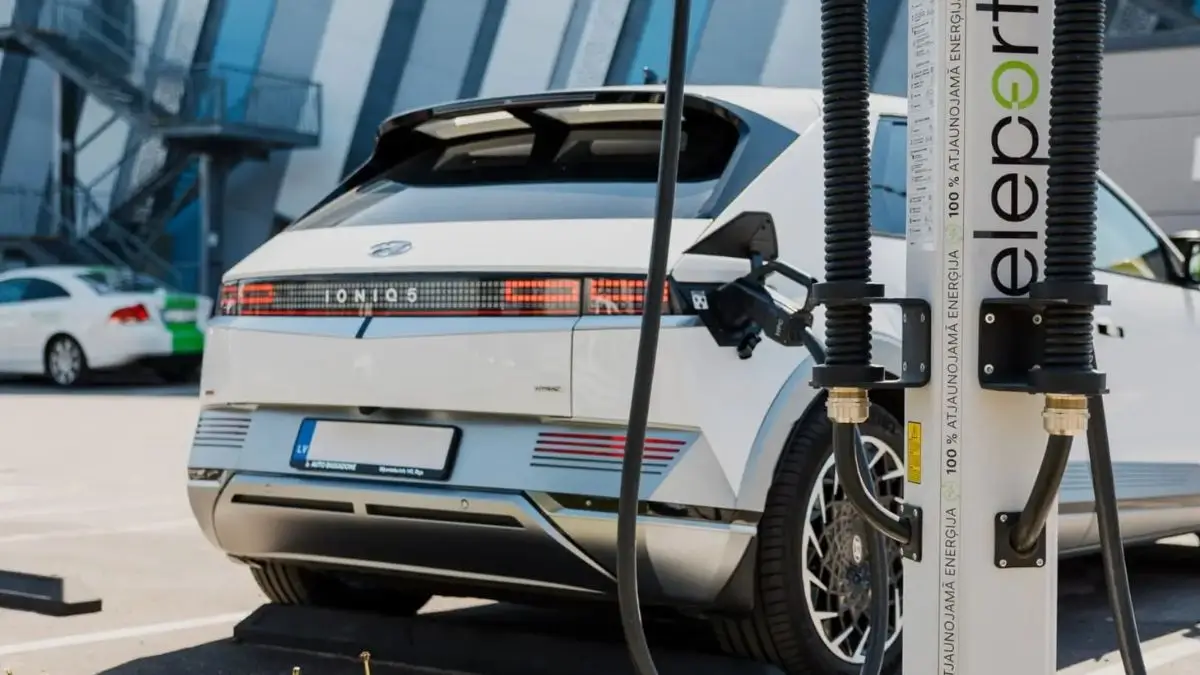
The Government of Delhi has launched the Delhi EV Policy 2.0, effective from July 1, 2026, to March 31, 2030, with an estimated outlay of ₹15,000 crore. The policy aims to accelerate the adoption of electric vehicles (EVs), improve Delhi’s air quality, reduce greenhouse gas emissions, and strengthen charging infrastructure. It introduces attractive subsidies, tax exemptions, scrappage incentives, and a phased transition away from petrol and CNG-powered vehicles.
Major Objectives of Delhi EV Policy 2.0
The policy seeks to transform Delhi into one of India’s leading electric mobility hubs by focusing on:
- Increasing EV ownership across all vehicle categories.
- Reducing vehicular pollution and carbon emissions.
- Expanding EV charging and battery-swapping infrastructure.
- Promoting zero-emission public and commercial transport.
- Gradually phasing out new registrations of fossil fuel-powered vehicles.
Policy Timeline and Financial Commitment
The implementation timeline is as follows:
- Effective Date: July 1, 2026
- Validity: Till March 31, 2030
- Budget Allocation: ₹15,000 crore
The phased implementation allows consumers, manufacturers, and industries sufficient time to adapt to electric mobility.
Road Tax and Registration Fee Waiver
One of the biggest attractions of the new policy is the 100% exemption on road tax and registration charges.
Eligible battery electric vehicles (BEVs) priced up to ₹30 lakh (ex-showroom) will receive:
- Complete road tax exemption.
- Full registration fee waiver.
This can reduce the on-road cost of an EV by nearly ₹1.5–2 lakh, making electric vehicles significantly more affordable.
However, EVs priced above ₹30 lakh will not receive these benefits. Hybrid vehicles have also been excluded from financial incentives under the policy.
Purchase Subsidies for Electric Vehicles
The policy offers direct financial assistance through purchase subsidies.
Electric Two-Wheelers
Eligible electric scooters and motorcycles costing below ₹2.25 lakh can receive:
- ₹30,000 during the first year.
- ₹20,000 during the second year.
- ₹10,000 during the third year.
Electric Three-Wheelers
Commercial electric auto-rickshaws are eligible for:
- ₹50,000 in Year 1.
- ₹40,000 in Year 2.
- ₹30,000 in Year 3.
Electric Light Commercial Vehicles
Eligible N1 category electric goods vehicles can receive incentives of up to ₹1 lakh.
All subsidies will be transferred directly into the beneficiary’s bank account through the Delhi Transport Department portal.
Vehicle Scrappage Incentives
The policy also encourages replacing old polluting vehicles through attractive scrappage incentives.
Vehicle owners who scrap BS-IV or older Delhi-registered vehicles and purchase eligible EVs within six months can receive:
- ₹1,00,000 for private electric cars.
- ₹50,000 for electric light commercial vehicles.
- ₹25,000 for electric auto-rickshaws.
- ₹10,000 for electric two-wheelers.
These incentives aim to reduce emissions while accelerating EV adoption.
Petrol and CNG Vehicle Registration Deadlines
The policy introduces important deadlines for fossil fuel vehicles.
From January 1, 2027, Delhi will stop registering:
- Petrol auto-rickshaws.
- CNG auto-rickshaws.
- Petrol three-wheelers.
- CNG three-wheelers.
- Petrol and CNG N1 delivery vehicles.
The government also plans a gradual transition toward registering only electric two-wheelers in the coming years.
Environmental Significance
Delhi consistently records some of the highest air pollution levels in India. Vehicular emissions contribute significantly to poor air quality, especially during winter.
The EV Policy 2.0 aims to:
- Reduce PM2.5 and PM10 emissions.
- Lower greenhouse gas emissions.
- Improve public health.
- Promote sustainable urban transport.
- Encourage renewable energy integration with charging infrastructure.
Benefits for Consumers
Consumers are expected to benefit through:
- Lower purchase cost.
- Reduced operating expenses.
- Lower maintenance costs.
- Tax savings.
- Scrappage incentives.
- Better charging infrastructure.
These measures are expected to make EV ownership more economically attractive.
Impact on Automobile Industry
The policy is expected to:
- Increase EV manufacturing.
- Promote battery production.
- Generate employment.
- Boost investment in charging infrastructure.
- Encourage innovation in clean mobility.
It also supports India’s broader objective of reducing dependence on imported fossil fuels.
Relevance for Government Exam Aspirants
The Delhi EV Policy 2.0 is highly relevant for UPSC, State PSCs, SSC, Banking, Railways, Defence, Police, and Teaching examinations.
Students should remember:
- Policy launch date.
- Budget allocation.
- Subsidy amounts.
- Registration deadlines.
- Scrappage incentives.
- Environmental objectives.
- Government initiatives promoting electric mobility.
Questions may appear in Prelims, Current Affairs, Environment, Economy, Governance, and Essay sections.

Why this News is Important
Strengthening India’s Clean Mobility Mission
The Delhi EV Policy 2.0 represents one of India’s most ambitious state-level initiatives to promote electric mobility. By combining financial incentives with regulatory reforms, it supports India’s transition toward sustainable transportation and aligns with national climate commitments.
Addressing Air Pollution
Delhi has long struggled with severe air pollution, and vehicular emissions are a major contributor. Encouraging electric vehicles can significantly reduce harmful pollutants and improve public health, making this policy environmentally significant.
Economic and Industrial Impact
The ₹15,000 crore investment is expected to stimulate the EV ecosystem by encouraging manufacturing, battery technology, charging infrastructure, and employment generation. It also reduces India’s dependence on imported petroleum products.
Important for Competitive Examinations
Government examinations frequently ask questions on environmental policies, climate action, government schemes, sustainable development, and current affairs. This policy integrates all these topics, making it highly relevant for aspirants preparing for UPSC, State PSCs, SSC, Banking, Railways, Defence, and other competitive exams.
Historical Context
Delhi’s Journey Towards Electric Mobility
Delhi introduced its first Electric Vehicle Policy in 2020 to encourage EV adoption through purchase incentives, charging infrastructure, and tax benefits. The policy significantly increased the share of electric vehicles in new registrations and positioned Delhi among India’s leading EV markets.
Need for a Revised Policy
Despite the success of the earlier policy, challenges such as persistent air pollution, growing vehicle population, and the need for stronger charging infrastructure prompted the government to introduce Delhi EV Policy 2.0. The revised framework expands financial incentives, introduces stricter deadlines for fossil fuel vehicles, and strengthens long-term support for electric mobility.
National Context
The policy complements India’s broader initiatives such as the PM E-DRIVE Scheme, state EV policies, and the country’s commitment to achieving net-zero emissions by 2070 through increased adoption of clean transportation technologies.
Key Takeaways from This News
| S. No. | Key Takeaway |
|---|---|
| 1 | Delhi EV Policy 2.0 is effective from July 1, 2026, to March 31, 2030. |
| 2 | The policy has a budget allocation of ₹15,000 crore to promote electric mobility. |
| 3 | Battery electric vehicles up to ₹30 lakh receive 100% road tax and registration fee exemption. |
| 4 | The policy provides purchase subsidies, scrappage incentives, and phases out new registrations of several petrol and CNG vehicle categories beginning January 1, 2027. |
| 5 | The initiative aims to improve air quality, reduce vehicular emissions, expand EV infrastructure, and accelerate India’s transition to sustainable transportation. |
FAQs: Delhi EV Policy 2.0
1. What is Delhi EV Policy 2.0?
Delhi EV Policy 2.0 is the revised electric vehicle policy launched by the Delhi Government to promote the adoption of electric vehicles through subsidies, tax exemptions, scrappage incentives, and improved charging infrastructure. The policy is effective from July 1, 2026, to March 31, 2030.
2. What is the total budget allocated for Delhi EV Policy 2.0?
The Delhi Government has allocated ₹15,000 crore for implementing Delhi EV Policy 2.0 over its duration.
3. What is the main objective of Delhi EV Policy 2.0?
The policy aims to reduce air pollution, encourage electric mobility, strengthen EV charging infrastructure, lower greenhouse gas emissions, and gradually phase out fossil fuel-powered vehicles.
4. Which vehicles are eligible for road tax and registration fee exemption?
Battery Electric Vehicles (BEVs) with an ex-showroom price up to ₹30 lakh are eligible for 100% exemption from road tax and registration fees.
5. Are hybrid vehicles covered under Delhi EV Policy 2.0?
No. Hybrid vehicles are not eligible for financial incentives under Delhi EV Policy 2.0.
6. What purchase subsidy is available for electric two-wheelers?
Eligible electric two-wheelers priced below ₹2.25 lakh can receive:
- ₹30,000 in the first year
- ₹20,000 in the second year
- ₹10,000 in the third year
7. What scrappage incentives are provided under the policy?
Vehicle owners scrapping eligible old vehicles and purchasing an EV can receive incentives ranging from ₹10,000 to ₹1 lakh, depending on the vehicle category.
8. From when will Delhi stop registering certain petrol and CNG vehicles?
Delhi will stop registering new petrol and CNG auto-rickshaws, three-wheelers, and N1 category delivery vehicles from January 1, 2027.
9. Why is Delhi EV Policy 2.0 important for competitive exams?
It is relevant for UPSC, State PSCs, SSC, Banking, Railways, Defence, Police, and Teaching examinations under topics such as Environment, Government Schemes, Climate Change, Sustainable Development, Transport Policy, and Current Affairs.
10. Which constitutional and international commitments does the policy support?
The policy supports India’s commitments toward sustainable development, the Paris Climate Agreement, and the country’s Net Zero Emissions target by 2070.
Some Important Current Affairs Links