






RudraM-II missile test success marks a major achievement for DRDO and the Indian Air Force. Learn about the indigenous air-to-surface missile, its features, strategic importance, and key facts for UPSC, SSC, Banking, Railways, Defence, and State PSC exams.
Introduction
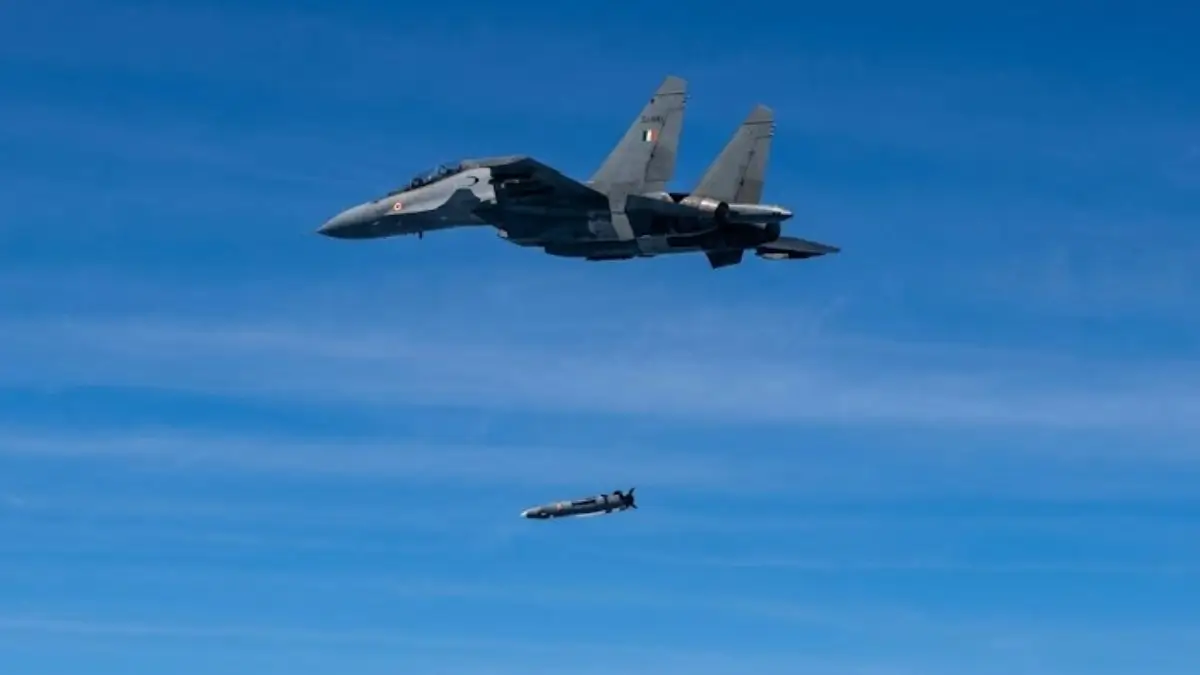
India has achieved another significant milestone in its journey toward self-reliance in defence technology with the successful flight test of the indigenous RudraM-II air-to-surface missile. Developed by the Defence Research and Development Organisation (DRDO) in collaboration with the Indian Air Force (IAF), the missile was tested from an airborne platform under challenging operational conditions. The successful trial highlights India’s growing capability in developing advanced precision-strike weapon systems and strengthens the country’s defence preparedness.
Successful Flight Test Demonstrates Advanced Capabilities
The RudraM-II missile successfully struck a predefined target with pinpoint accuracy during the flight test. The missile was launched under extreme release conditions, validating the performance of its critical subsystems and demonstrating its ability to function effectively in demanding combat scenarios. Data collected by various tracking instruments at the Integrated Test Range (ITR), Chandipur, confirmed that all mission objectives were achieved successfully.
What is RudraM-II?
RudraM-II is an indigenously developed air-to-surface missile designed to engage and destroy enemy ground targets. It belongs to the RudraM series of missiles developed for Suppression of Enemy Air Defences (SEAD) missions. The missile is capable of targeting radar installations, communication systems, command centres, bunkers, and other strategic military assets. It significantly enhances the Indian Air Force’s capability to conduct precision strikes while remaining at a safe distance from enemy air defence systems.
Indigenous Development Strengthens Aatmanirbhar Bharat
The missile has been developed by the Research Centre Imarat (RCI), Hyderabad, which served as the nodal laboratory for the project. Several other DRDO laboratories, including the Defence Research and Development Laboratory (DRDL), High Energy Materials Research Laboratory (HEMRL), Armament Research and Development Establishment (ARDE), and Integrated Test Range (ITR), contributed to its development. Public sector organizations and private industry partners also played a crucial role in the programme.
Role of the Indian Air Force
The Indian Air Force has been actively involved in testing and integrating indigenous missile systems. The successful RudraM-II trial demonstrates the close cooperation between DRDO and the IAF in developing advanced combat capabilities. Such indigenous systems reduce dependence on foreign suppliers and enhance operational flexibility during conflicts.
Importance for India’s Defence Strategy
Modern warfare increasingly relies on precision-guided munitions capable of neutralizing enemy assets with minimal collateral damage. RudraM-II provides India with a powerful stand-off weapon that can strike critical targets from long distances. This capability is particularly important in scenarios involving heavily defended airspaces, where suppressing enemy radar and air defence systems is essential before launching broader military operations.
Boost to Indigenous Missile Ecosystem
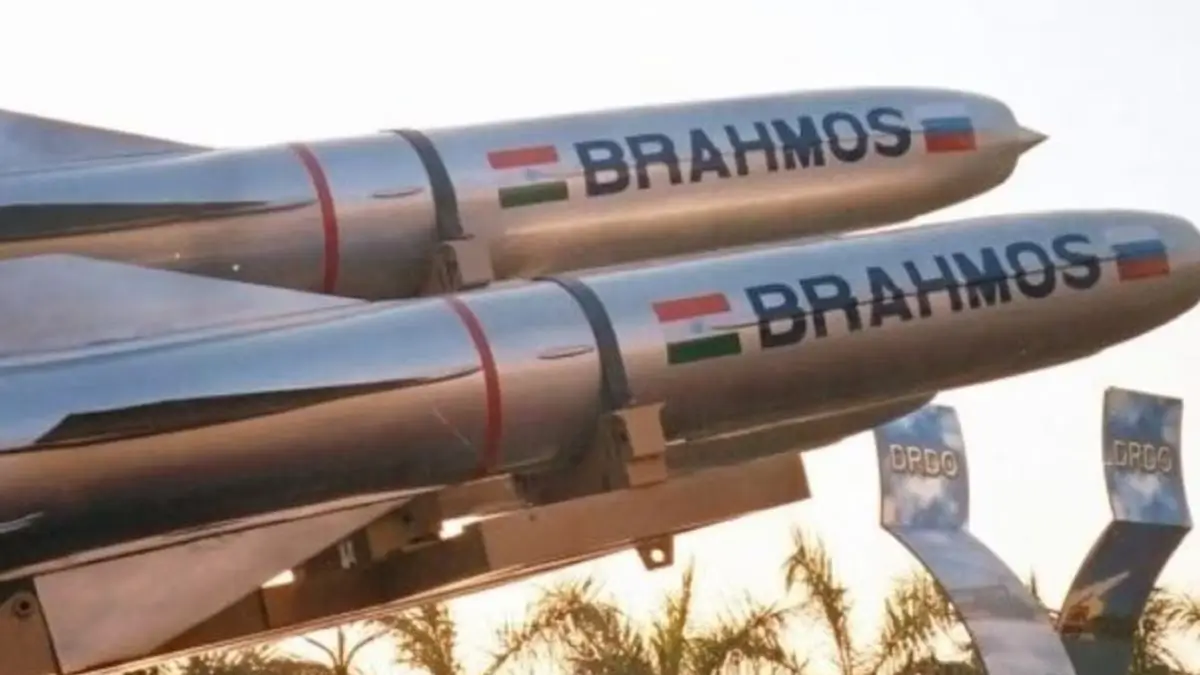
The successful test of RudraM-II adds to India’s growing portfolio of indigenous missile systems, including Astra, Akash, BrahMos, Pralay, and Agni missiles. These achievements reflect the country’s increasing expertise in missile design, propulsion systems, guidance technologies, and precision targeting capabilities. The development of such systems contributes significantly to India’s long-term strategic autonomy.
Government’s Response
Defence Minister Rajnath Singh congratulated DRDO, IAF, defence public sector undertakings, and industry partners on the successful test. He emphasized that the achievement demonstrates the maturity of indigenous defence technologies and contributes significantly to the vision of Aatmanirbhar Bharat in advanced weapon systems.
Strategic Significance
The successful flight test sends a strong signal regarding India’s technological progress in advanced weapon systems. As regional security challenges evolve, possessing indigenous precision-strike capabilities enhances deterrence and strengthens national security. The RudraM-II programme also showcases India’s ability to develop sophisticated military technologies domestically, reducing reliance on foreign imports.

Why This News Is Important
Important for Defence and Security Examinations
The successful testing of RudraM-II is highly relevant for aspirants preparing for UPSC, State PSCs, CDS, AFCAT, CAPF, SSC, Railways, Banking, and other competitive examinations. Defence technology developments frequently appear in current affairs sections and interview discussions. Understanding indigenous missile programmes helps candidates answer questions related to national security and strategic affairs.
Strengthening Indigenous Defence Manufacturing
The missile test reflects India’s commitment to the Aatmanirbhar Bharat initiative. Developing advanced missile systems domestically reduces dependence on imports and promotes self-reliance in critical defence technologies. Such achievements are often discussed in examinations under science and technology, defence modernization, and government initiatives.
Enhancing Military Preparedness
The RudraM-II missile enhances India’s capability to conduct precision strikes against enemy targets while minimizing risk to aircraft and personnel. This strengthens the country’s military readiness and strategic deterrence capability. Questions related to missile systems and defence preparedness frequently feature in competitive examinations.
Historical Context
Evolution of India’s Missile Development Programme
India’s missile development journey began with the Integrated Guided Missile Development Programme (IGMDP) launched in the 1980s. The programme led to the development of several important missile systems, including Prithvi, Agni, Akash, Nag, and Trishul. Over the years, DRDO expanded its focus toward advanced precision-guided weapons and stand-off strike systems.
Development of the RudraM Series
The RudraM missile family was conceived to provide the Indian Air Force with indigenous air-launched strike capabilities. RudraM-I was developed primarily as an anti-radiation missile capable of targeting enemy radar systems. RudraM-II represents an advanced evolution of the programme with enhanced precision-strike capabilities and broader mission roles.
Growing Focus on Self-Reliance
Recent years have witnessed increased emphasis on indigenous defence production. Programmes such as Astra, Akash-NG, Pralay, and RudraM demonstrate India’s efforts to build a robust domestic defence ecosystem. These developments align with the government’s objective of reducing dependence on imported military hardware.
Key Takeaways from RudraM-II Missile Test
| S. No. | Key Takeaway |
|---|---|
| 1 | DRDO and the Indian Air Force successfully conducted the flight test of the indigenous RudraM-II air-to-surface missile. |
| 2 | The missile achieved pinpoint accuracy and successfully met all mission objectives during testing. |
| 3 | RudraM-II was developed by DRDO’s Research Centre Imarat (RCI), Hyderabad, with support from multiple laboratories and industry partners. |
| 4 | The missile enhances India’s precision-strike and suppression of enemy air defence capabilities. |
| 5 | The successful test supports the Aatmanirbhar Bharat initiative and strengthens India’s indigenous defence ecosystem. |
FAQs: Frequently Asked Questions
1. What is RudraM-II missile?
RudraM-II is an indigenous air-to-surface missile developed by DRDO for the Indian Air Force to destroy enemy ground-based targets with high precision.
2. Which organization developed the RudraM-II missile?
The missile was developed by the Defence Research and Development Organisation (DRDO), with Research Centre Imarat (RCI), Hyderabad serving as the nodal laboratory.
3. What type of missile is RudraM-II?
It is an air-to-surface precision-strike missile designed for Suppression of Enemy Air Defences (SEAD) and destruction of strategic ground targets.
4. Why is RudraM-II important for India’s defence?
It enhances India’s ability to neutralize enemy radar systems, command centres, communication networks, and other critical military infrastructure.
5. Which armed force will primarily use RudraM-II?
The Indian Air Force (IAF) will be the primary operator of the missile.
6. What does SEAD stand for?
SEAD stands for Suppression of Enemy Air Defences, a military strategy aimed at disabling enemy air defence systems.
7. What is the significance of the successful RudraM-II test?
The test demonstrates India’s growing self-reliance in advanced missile technology and strengthens national security.
8. Under which national initiative does the RudraM-II programme support India’s goals?
The missile programme supports the Aatmanirbhar Bharat initiative by promoting indigenous defence manufacturing.
9. What is DRDO?
DRDO (Defence Research and Development Organisation) is India’s premier defence research agency responsible for developing military technologies and weapon systems.
10. Which other important indigenous missiles have been developed by India?
India has developed several indigenous missile systems, including Agni, Prithvi, Akash, Astra, Nag, Pralay, and BrahMos (jointly developed with Russia).
11. What is the Integrated Test Range (ITR)?
ITR, Chandipur, Odisha, is India’s premier missile testing facility where many missile trials are conducted.
12. Why is this topic important for competitive exams?
Questions on defence exercises, missile systems, DRDO projects, and indigenous defence technologies are frequently asked in UPSC, CDS, AFCAT, CAPF, SSC, Railways, Banking, and State PSC examinations.
Some Important Current Affairs Links