






Operation Urja Suraksha India naval mission for energy security ensures safe oil transport through Strait of Hormuz and highlights Indian Navy’s strategic role in maritime security.
Operation Urja Suraksha: India’s Strategic Naval Mission for Energy Security
🔹 Introduction to Operation Urja Suraksha
India has launched Operation Urja Suraksha, a major naval mission aimed at safeguarding its energy supply routes amid rising geopolitical tensions in West Asia. The operation involves deploying frontline warships to escort India-bound cargo vessels carrying critical energy resources such as crude oil, LNG, and LPG.
This initiative reflects India’s growing focus on protecting its economic interests through maritime security operations.
🔹 Objective of the Mission
The primary objective of Operation Urja Suraksha is to ensure the safe and uninterrupted flow of energy supplies to India. With a significant portion of India’s oil and gas imports coming from the Gulf region, any disruption can have serious consequences on the economy.
The mission aims to protect merchant vessels from threats such as attacks, mines, or geopolitical conflicts in high-risk zones.
🔹 Deployment of Indian Navy
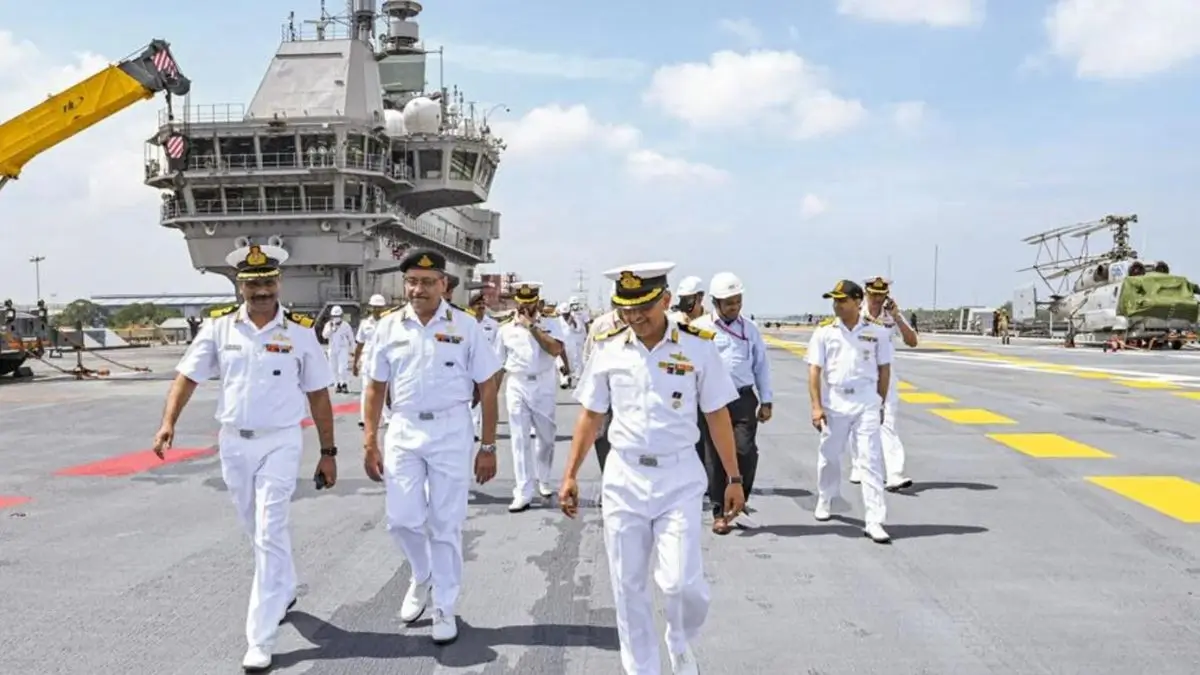
Under this operation, the Indian Navy has deployed more than five frontline warships, including destroyers and frigates, in the Gulf of Oman region.
These warships escort cargo vessels after they exit the Strait of Hormuz and guide them safely toward the Arabian Sea, ensuring layered maritime security.
🔹 Importance of the Strait of Hormuz
The Strait of Hormuz is one of the most critical maritime chokepoints in the world, connecting the Persian Gulf to global markets. A large share of global oil trade passes through this narrow route.
For India, this route is crucial as it directly impacts fuel availability, transportation costs, and industrial growth.
🔹 How the Escort Mechanism Works
The operation follows a coordinated system involving real-time monitoring and naval escort services. Once cargo ships exit the high-risk Hormuz region, Indian naval ships take over and guide them through safe routes.
This process includes:
- Monitoring vessel movements
- Providing navigation support
- Escorting ships through risky zones
- Ensuring protection from maritime threats
🔹 Strategic Significance for India
Operation Urja Suraksha demonstrates India’s proactive approach to securing its energy lifelines. It highlights the role of the Indian Navy in safeguarding national interests beyond territorial waters.
The mission also strengthens India’s position as a responsible maritime power in the Indian Ocean Region.

📌 Why This News is Important
🔹 Energy Security and Economic Stability
India is heavily dependent on imported crude oil and gas, especially from West Asia. Any disruption in supply can lead to fuel shortages and price volatility. Operation Urja Suraksha ensures uninterrupted energy flow, thereby stabilizing the economy and supporting industrial growth.
🔹 Geopolitical Relevance
The operation comes amid rising tensions in the Middle East, making it highly relevant for international relations and security studies. It highlights how geopolitical conflicts can directly impact global trade routes and national interests.
🔹 Role of Indian Navy
This mission underlines the expanding role of the Indian Navy from coastal defense to securing global maritime trade routes. It showcases India’s capability to operate in distant waters and protect its assets.
🔹 UPSC and Competitive Exam Relevance
Questions related to maritime security, energy routes, and strategic chokepoints like the Strait of Hormuz are frequently asked in exams like UPSC, CDS, and NDA. This topic integrates geography, international relations, and defense studies.
📜 Historical Context
🔹 Background of Maritime Security Operations
India has a history of naval missions to protect its maritime interests. One such example is Operation Sankalp, launched in 2019 to ensure the safe passage of Indian vessels in the Gulf region.
🔹 Importance of West Asia for India
West Asia has always been a crucial region for India due to its energy imports and trade links. Over the years, geopolitical tensions in this region have frequently threatened global oil supply chains.
🔹 Evolution of Naval Strategy
India’s naval strategy has evolved from coastal defense to blue-water capabilities, enabling it to operate in distant waters. Operations like Urja Suraksha reflect this transformation.
🔹 Strait of Hormuz in Global Trade
Historically, the Strait of Hormuz has been a sensitive chokepoint. Any conflict in this region has global repercussions, affecting oil prices and economic stability worldwide.
📊 Key Takeaways from This News
| S.No. | Key Takeaway |
|---|---|
| 1 | Operation Urja Suraksha is a naval mission to protect India’s energy supply routes |
| 2 | Indian Navy deployed over five warships to escort cargo vessels |
| 3 | Focus is on securing oil, LNG, and LPG shipments from West Asia |
| 4 | Strait of Hormuz is a critical global energy chokepoint |
| 5 | The mission highlights India’s growing maritime and strategic capabilities |
FAQs on Operation Urja Suraksha
🔹 What is Operation Urja Suraksha?
Operation Urja Suraksha is a naval mission launched by Indian Navy to ensure the safe transportation of India’s energy imports, particularly crude oil and gas, through sensitive maritime regions.
🔹 Why is the Strait of Hormuz important for India?
The Strait of Hormuz is a crucial maritime route through which a large portion of India’s oil imports pass. Any disruption here can affect fuel prices and economic stability.
🔹 Which region is primarily covered under this operation?
The operation mainly focuses on the Gulf of Oman and Arabian Sea, ensuring safe passage for vessels after they cross high-risk zones near West Asia.
🔹 What are the key threats addressed by this mission?
The mission addresses threats such as piracy, maritime attacks, geopolitical conflicts, and disruption of shipping lanes.
🔹 How is Operation Urja Suraksha different from Operation Sankalp?
Operation Sankalp was launched in 2019 to protect Indian shipping in the Gulf region, while Operation Urja Suraksha is more focused on energy security amid current geopolitical tensions.
🔹 Why is this topic important for competitive exams?
It covers key areas such as international relations, maritime security, geography, and defense strategy, which are frequently asked in exams like UPSC, NDA, CDS, SSC, and banking exams.
🔹 What role does the Indian Navy play in energy security?
The Indian Navy ensures safe maritime trade routes, escorts vessels, and protects India’s economic interests beyond territorial waters.
Some Important Current Affairs Links