







India second largest buyer of Russian fossil fuels January 2026 according to CREA report. Know key facts, economic impact, sanctions effect, and exam-relevant analysis for UPSC, PSC, Banking and Defence exams.
India Retains Position as World’s Second-Largest Buyer of Russian Fossil Fuels in January 2026
Overview of India’s Energy Import Trends
In January 2026, India continued to maintain its strategic position as the second-largest global buyer of Russian fossil fuels, according to data from the Centre for Research on Energy and Clean Air (CREA). Despite ongoing global diplomatic pressure and sanctions from Western nations, India imported fossil fuels worth €2.2 billion (approx. $2.59 billion) from Russia, with crude oil forming around 78 per cent of the total imports.
While India did see a slight reduction in its Russian fuel purchases compared to earlier months, the country still trailed only China, which significantly increased its imports during the same period. In contrast to the Chinese demand surge, India’s energy strategy indicates a shift in trade patterns influenced by geopolitical challenges, sanctions, and price dynamics.
Breakdown of Fossil Fuel Imports
Among the major categories of fossil fuels imported by India from Russia in January 2026:
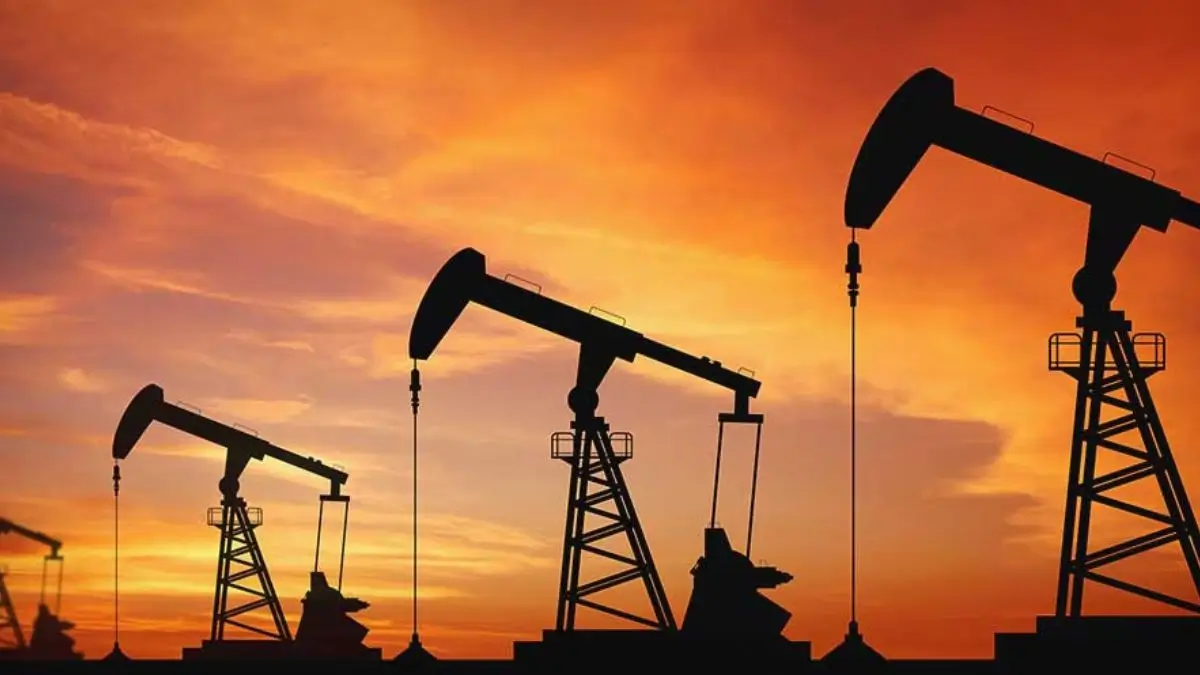
- Crude Oil comprised the majority share, amounting to approximately €2 billion of the total imports, reflecting India’s continued reliance on oil for energy security.
- Coal shipments also contributed significantly, valued at €442 million, driven by India’s ongoing industrial and power needs.
- Oil products, including various refined fuels, accounted for a smaller segment at around €30 million.
Despite a 23 per cent drop in fossil fuel imports since November 2025, India’s designation as the second-largest buyer showcases its strategic economic decisions balancing energy requirements with external pressures.
Geopolitical and Sanctions Impact
Several global developments have shaped the current scenario of India–Russia energy trade:
- Western Sanctions and EU Ban: Recent sanctions by the U.S. Office of Foreign Assets Control (OFAC) on major Russian oil firms have affected supply chains to Indian refiners. Additionally, the European Union’s ban on oil products derived from Russian crude has further constricted the conventional channels of trade.
- Global Price Cap Policies: European-aligned price caps on Russian Urals crude have altered cost competitiveness, nudging India to reassess sourcing strategies while managing cost benefits.
- China’s Increasing Dominance: China’s enhanced fossil fuel purchases underscore shifting global energy demand patterns and diversification of import portfolios.
India’s Strategic Energy Balancing
India’s import of Russian fossil fuels, despite geopolitical tensions, highlights the balancing act between economic energy security and diplomatic considerations. With global crude markets being volatile and alternatives like Middle Eastern and U.S. supplies becoming more attractive, India is attempting to diversify its import mix while optimizing cost-efficiencies.

Why This News Is Important for Government Exam Aspirants
Relevance to Economy, International Relations and Policy
This development is significant for multiple government exam subjects such as Economy, International Relations, Geography, and Current Affairs. India’s energy imports directly impact economic stability, inflation, trade balance, and geopolitical orientations — key themes in competitive exams like UPSC/PSC, banking, railways, defence, and teaching exams. Understanding this news gives aspirants insights into global energy markets, India’s foreign policy stance, and emerging trends in trade diplomacy.
Insight into Energy Security and Sanctions Dynamics
The shift in import patterns illustrates how sanctions and global politics can affect trade flows, market access, and nation-state strategies. Exam questions often connect global developments with domestic policymaking: knowing why India remains a major buyer despite sanctions helps aspirants analyze strategic choices in energy security.
Multidisciplinary Importance
This news bridges various disciplines — from international law and sanctions regimes to macroeconomics and trade policy — making it vital for students preparing for service exams (like IAS/IPS/IFS) and economic and commercial examinations. Discussing this topic showcases an aspirant’s ability to link current affairs with policy frameworks, a skill critical in essay writing, interviews, and analytical questions.
Historical Context: India–Russia Energy Trade and Global Sanctions
Background: Pre-Ukraine War Scenario
Before February 2022, India and Russia maintained a bilateral energy relationship, but Russia was not India’s largest oil source. India’s crude oil supplies were largely diversified across the Middle East, Africa, and Southeast Asia.
Ukraine War and Shift in Energy Trade
After Russia’s full-scale invasion of Ukraine in February 2022, Western nations imposed sweeping sanctions on Russian oil and gas exports. This created significant discount advantages for buyers willing to navigate sanctions mechanisms. India capitalized on discounted Russian crude as global competitors (especially European nations) reduced their Russian fuel imports. Consequently, India’s Russian fossil fuel import value soared, positioning it as a major buyer after China.
Sanctions, Diplomatic Pressures, and Energy Strategy
Western sanctions, particularly those involving sanctions on Rosneft and Lukoil and price-cap mechanisms, have influenced India’s import volumes, causing fluctuations and an ongoing reassessment of energy sourcing. The evolving dynamics reflect India’s need to balance energy security with diplomatic relationships, especially with the U.S. and EU countries.
Key Takeaways from “India Holds Spot as No. 2 Buyer of Russian Fossil Fuels in Jan 2026”
| S. No. | Key Takeaway |
|---|---|
| 1 | India remained the second-largest buyer of Russian fossil fuels in January 2026. |
| 2 | Total Russian fossil fuel imports by India were valued at €2.2 billion ($2.59 billion). |
| 3 | Crude oil accounted for approx. 78% of India’s Russian fossil fuel purchases. |
| 4 | Global sanctions and EU bans have influenced the shift in India’s energy trade patterns. |
| 5 | Despite reduction in volumes, India’s energy strategy balances cost, security, and geopolitics. |
Frequently Asked Questions (FAQs)
1. Which country was the second-largest buyer of Russian fossil fuels in January 2026?
India was the second-largest buyer of Russian fossil fuels in January 2026, after China.
2. Which organization released the data on fossil fuel imports?
The data was released by the Centre for Research on Energy and Clean Air (CREA), an independent research organization monitoring global energy trade.
3. What was the approximate value of India’s Russian fossil fuel imports in January 2026?
India imported Russian fossil fuels worth approximately €2.2 billion (around $2.59 billion).
4. Which fossil fuel constituted the largest share of India’s imports from Russia?
Crude oil accounted for nearly 78% of India’s total Russian fossil fuel imports.
5. Why did India increase Russian oil imports after 2022?
After the Russia–Ukraine war began in 2022, Western sanctions led to discounted Russian crude oil prices. India leveraged these discounts to strengthen energy security and manage inflation.
6. How do Western sanctions affect global oil trade?
Sanctions imposed by the U.S. and European Union limit Russia’s access to global markets, forcing it to sell oil at discounted prices to willing buyers like India and China.
7. Why is this topic important for UPSC and State PSC exams?
It is relevant to subjects like International Relations, Indian Economy, Energy Security, and Geopolitics — commonly asked in Prelims, Mains, and Interviews.
8. What is meant by ‘Energy Security’?
Energy security refers to the uninterrupted availability of energy sources at affordable prices to sustain economic growth.
9. Which country remained the largest buyer of Russian fossil fuels?
China remained the largest buyer of Russian fossil fuels during January 2026.
10. How does fossil fuel import impact India’s economy?
High imports affect the trade deficit, foreign exchange reserves, inflation, and fiscal policy decisions.
Some Important Current Affairs Links