





3% job reservation for Tea Tribes Assam approved by Cabinet along with expansion of MMUA scheme for 1,07,532 women beneficiaries to boost employment and entrepreneurship.
Assam Cabinet Grants 3% Job Quota to Tea Tribes & Expands Mukhyamantri Mahila Udyamita Abhiyaan (MMUA) Scheme
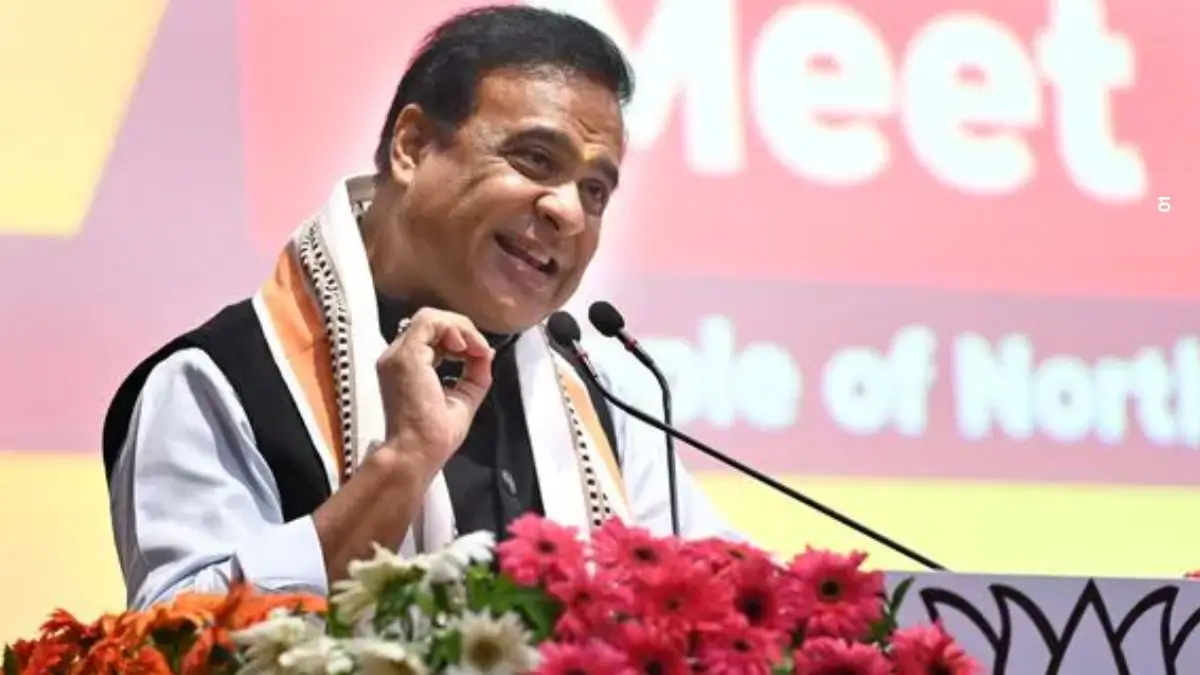
The Assam Cabinet, led by Chief Minister Himanta Biswa Sarma, approved major welfare decisions aimed at increasing social inclusion and economic empowerment of underrepresented communities on February 17, 2026. The most noteworthy among these was the introduction of a 3% job reservation in state government jobs for the Tea Tribes and Adivasi communities in Class I and Class II posts — a significant revision that expands opportunities beyond the previously limited Class III and IV positions.
This quota is counted within the OBC (Other Backward Classes) reservation bracket and seeks to integrate the Tea Tribes and Adivasis — historically marginalized sections — into higher administrative and managerial roles across Assam’s public services. The move comes ahead of the 2026 Assam Assembly elections and underscores the state government’s focus on inclusive governance.
In addition to reservation reforms, the Cabinet expanded the Mukhyamantri Mahila Udyamita Abhiyaan (MMUA) scheme by adding 1,07,532 new women beneficiaries to the programme. Under MMUA, women from self‑help groups receive seed capital assistance to start micro businesses and stimulate economic growth at the grassroots level. Previously, around 32 lakh women had already benefitted from similar financial support.
The Cabinet decisions included other development measures, but the focus remained on strengthening inclusivity, boosting women’s entrepreneurship, and enhancing representation of disadvantaged communities in government services.

Why This News Is Important for Government Exam Aspirants
Significance for Competitive Exams
This development is highly relevant for students preparing for UPSC, PSC, SSC, Banking, Police, Railways, and Teaching exams because reservation policies and welfare schemes frequently appear in General Studies (GS) and Current Affairs sections. Understanding state‑level reservation extensions — particularly new inclusions in Class I & II government jobs — helps aspirants answer questions on constitutional rights, affirmative action, and social justice policies.
Relevance to GS and Welfare Themes
The expansion of the MMUA scheme also ties in with questions on women’s welfare, entrepreneurship, and economic empowerment, which are common in Banking and Insurance exams, and State‑level Public Service Commissions (PSC) exams. Policies that promote grassroots economic activity and financial inclusion often appear in exams under topics such as Government Schemes, Inclusive Growth, and Socio‑Economic Development.
Political & Social Dimensions Ahead of Elections
Given that this decision comes ahead of state elections, it highlights how public policy can intersect with political timelines — an important insight for essay writing and analytical answers in higher‑level competitive exams like UPSC Civil Services. Aspirants should note how reservation benefits and welfare initiatives affect socio‑political discourse.
Historical Context: Tea Tribes & Welfare Policies in Assam
The Tea Tribes of Assam include people brought to the region during the British colonial era to work on tea plantations. Over generations, these communities have become a significant part of Assam’s socio‑economic landscape but historically remained underrepresented in government employment and higher education.
Earlier policies had provided a 3% reservation within the OBC quota for Tea Tribes and Adivasis in Class III and IV posts to address employment gaps — but opportunities in higher‑level posts were limited. The 2026 revision expands this to Class I and II jobs, including administrative cadres and professional posts such as the Assam Civil Service (ACS) and Assam Police Service (APS).
Similarly, the Mukhyamantri Mahila Udyamita Abhiyaan (MMUA) was introduced to promote female entrepreneurship by offering seed capital to women’s groups, reinforcing the government’s aim of gender‑inclusive economic progress. Expanded coverage further brings underprivileged women into the fold of economic empowerment.
Key Takeaways from “Assam Cabinet Grants 3% Job Quota to Tea Tribes & Expands MMUA”
| S. No. | Key Takeaway |
|---|---|
| 1 | Assam Cabinet approved 3% reservation for Tea Tribes & Adivasi communities in Class I & II government jobs within the OBC quota. |
| 2 | This reservation applies to higher‑level state services, including administrative and professional roles. |
| 3 | The MMUA scheme was expanded to include 1,07,532 more women for entrepreneurship support. |
| 4 | Around 32 lakh women have already benefited from the MMUA programme. |
| 5 | The decision highlights Assam’s focus on inclusive employment and women’s economic empowerment ahead of elections |
FAQs: Frequently Asked Questions
1. What new reservation did the Assam Cabinet approve for Tea Tribes and Adivasi communities?
The Assam Cabinet approved a 3% reservation in Class I and Class II government jobs for Tea Tribes and Adivasi communities within the OBC quota.
2. What are Class I and Class II posts in Assam government services?
Class I and Class II posts include higher administrative and professional roles such as Assam Civil Service, Assam Police Service, and managerial positions in government departments.
3. What is the Mukhyamantri Mahila Udyamita Abhiyaan (MMUA) scheme?
MMUA is a women entrepreneurship initiative that provides seed capital support to women from self-help groups for starting small businesses and boosting local economic growth.
4. How many new beneficiaries were added under the MMUA scheme?
The Cabinet approved 1,07,532 additional women as beneficiaries under the MMUA programme.
5. Why is this news important for government exam aspirants?
This news is relevant for GS and Current Affairs sections in exams like UPSC, PSC, SSC, Banking, Railways, and Teaching exams because it relates to reservation policies, women empowerment, and socio-economic development.
6. How does this reservation impact Assam politics?
The inclusion of Tea Tribes and Adivasi communities in higher posts strengthens social inclusion and can influence voter dynamics, especially ahead of state elections.
7. How many women have benefitted from the MMUA scheme so far?
Around 32 lakh women have already benefited from the MMUA scheme before this latest expansion.
8. Does this reservation affect OBC quota limits?
Yes, the 3% reservation for Tea Tribes and Adivasis is counted within the OBC quota, so it is an internal allocation without increasing the overall OBC percentage.
Some Important Current Affairs Links