





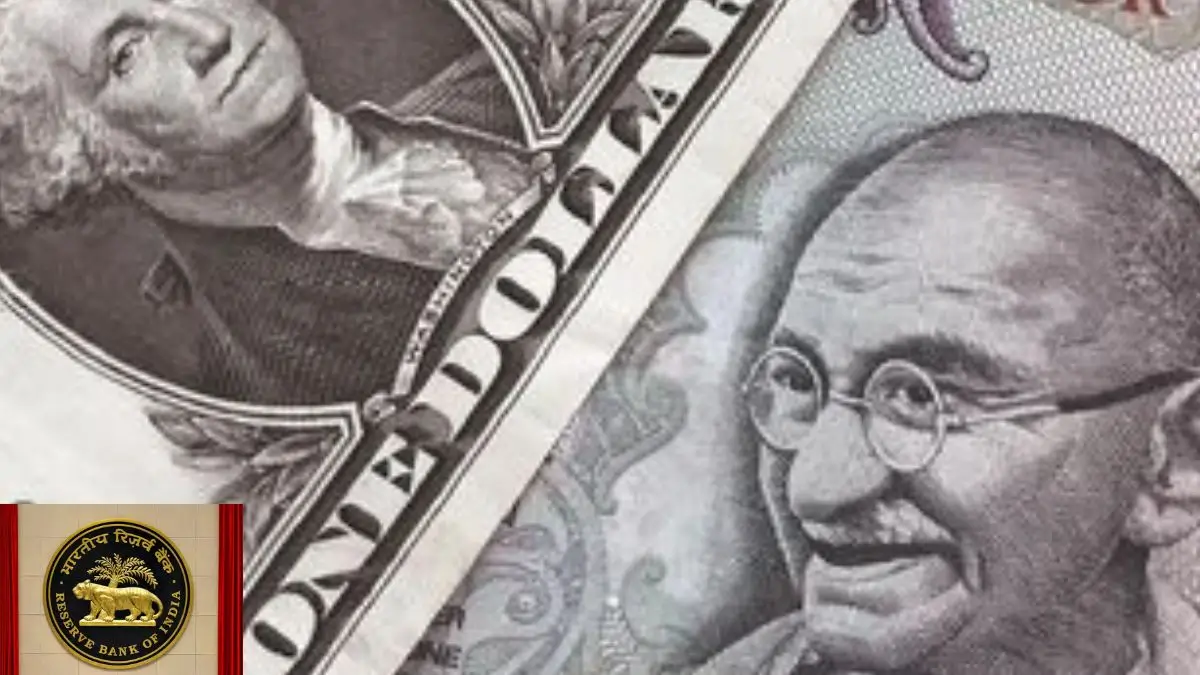
Currency in circulation in India reached a record ₹40 lakh crore in January 2026, as SBI reports cash demand rising alongside digital payments like UPI. Key insights for competitive exams.
SBI Report Flags Record Currency Circulation Amid India’s Digital Payments Push
India’s economy is experiencing an intriguing phenomenon — even as digital payments grow rapidly, cash usage has soared to new heights. According to a recent report by the State Bank of India (SBI), the currency in circulation (CiC) in India reached a record ₹40 lakh crore in January 2026, indicating sustained demand for physical cash across the country.
The SBI report reveals that despite widespread adoption of digital transactions like Unified Payments Interface (UPI), demand for physical banknotes has continued to rise. The year‑on‑year growth in CiC was recorded at 11.1%, a significant jump from 5.3% in the same period last year, highlighting strong liquidity and money flow within the economy.
Why Cash Circulation Is Rising Even With Digital Adoption
The report outlines several reasons behind this cash surge. Firstly, higher consumption in rural and urban regions has increased the demand for physical cash. Lower interest rates and fiscal incentives have also encouraged increased spending. Secondly, the withdrawal of ₹2000 notes and their replacement with lower denominations like ₹100, ₹200, and ₹500 have necessitated a higher number of notes in circulation — pushing up the total cash volume.
Interestingly, the increase in CiC doesn’t imply a decline in digital payments. Instead, both systems appear to be coexisting, with digital transactions complementing cash usage rather than replacing it entirely. The report also noted that the digital rupee (e₹) accounts for only a minuscule portion of total money supply, at around 0.03%, while paper currency still dominates at nearly 99%.
RBI Measures to Improve Cash Availability
To enhance the convenience of cash transactions, the Reserve Bank of India (RBI) has directed banks to increase the availability of ₹100 and ₹200 notes in ATMs, ensuring that 96% of ATMs dispense these denominations by March 2026. This step aims to meet public demand for easier access to everyday cash needs.
What This Means for India’s Economy
The rising cash in circulation alongside booming digital transaction volumes highlights a dual‑track payment ecosystem. While more Indians use digital payments for convenience and traceability, cash continues to play a central role — especially for everyday purchases in both rural and semi‑urban areas.
In summary, this SBI report reflects the unique reality of India’s economic landscape, where rapid technological adoption coexists with traditional cash usage — a key dynamic for aspirants across competitive exams to understand.

📌 Why This News Matters
Understanding Economic Trends for Competitive Exams
For students preparing for government exams like UPSC, SSC, Banking (IBPS/SBI), Railways, and Defence, this news is crucial because it directly relates to India’s economic indicators, particularly money supply and payment systems. A record surge in currency in circulation reveals not just macroeconomic conditions but also public behavior and policy impacts — all highly relevant for General Awareness, Economy & Banking sections of exams.
Interplay Between Cash and Digital Systems
Exam syllabi often test candidates on the relationship between digital transactions and traditional cash usage. This SBI report presents a real‑world instance of how digital payments (like UPI) are expanding but haven’t fully reduced dependence on cash. Such insights help in answering analytical questions in essay writing, economics paper, and current affairs sections.
Policy and Monetary Implications
This news also touches upon monetary policy, the role of the Reserve Bank of India (RBI), and how currency circulation affects liquidity in the economy. Aspirants preparing for economics and finance segments in exams like RBI Assistant, SBI PO, and UPSC GS Paper 3 will find this useful.
🕰 Historical Context: Evolution of Cash and Digital Payments in India
India’s payment landscape has transformed significantly over the past decade. After the 2016 demonetisation, cash circulation temporarily dipped, but soon rebounded as economic activity resumed. The growth of digital platforms — most notably UPI, introduced by the National Payments Corporation of India (NPCI) in 2016 — revolutionised payment systems by enabling billions of transactions quickly and with minimal cost.
Despite this digital boom, cash has remained resilient. Data from previous years showed increased demand for currency notes even as digital transactions grew multiple folds. RBI’s ongoing efforts to balance cash and digital channels — including guiding cash availability in rural ATMs and promoting digital rupee pilots — reflect this coexistence.
Understanding this historical progression helps aspirants analyse why cash usage persists alongside digital adoption — a pattern highly relevant for questions on Indian economy, digital governance, and financial inclusion in exams.
📊 Key Takeaways from SBI Report on Currency Circulation
Key Takeaways from SBI Report on Record Currency Circulation
| S. No. | Key Takeaway |
|---|---|
| 1 | Currency in circulation (CiC) rose to a record ₹40 lakh crore in January 2026. |
| 2 | Year‑on‑year growth in CiC was 11.1%, higher than last year’s 5.3%. |
| 3 | Higher rural and urban consumption and note replacement drove cash demand. |
| 4 | Cash and digital payments continue to coexist rather than one replacing the other. |
| 5 | RBI directed banks to ensure 96% of ATMs dispense ₹100 and ₹200 notes. |
FAQs: Frequently Asked Questions
1. What is the current record for currency in circulation in India?
As per the SBI report, currency in circulation (CiC) reached ₹40 lakh crore in January 2026, marking an all-time high.
2. Why is cash circulation increasing despite digital payment growth?
Cash demand is rising due to higher consumption in rural and urban areas, replacement of ₹2,000 notes with smaller denominations, and the coexistence of digital and cash transactions.
3. What percentage of India’s money supply is in the form of digital currency?
The digital rupee (e₹) accounts for only 0.03% of the total money supply, while cash constitutes nearly 99%.
4. How is the RBI ensuring easy access to cash?
The RBI has directed banks to ensure that 96% of ATMs dispense ₹100 and ₹200 notes by March 2026 to meet public cash demand.
5. How does this news relate to competitive exams?
Understanding cash and digital payment trends is vital for questions in economics, banking, and general awareness sections of exams like UPSC, SSC, RBI, SBI, Railways, and Defence.
6. What is the role of UPI in India’s payment ecosystem?
UPI has revolutionized digital transactions, allowing instant, low-cost transfers, yet it hasn’t fully replaced cash usage.
7. How did demonetization in 2016 affect cash circulation?
Post-demonetization, cash circulation temporarily dipped but soon recovered as the economy normalized, highlighting cash resilience.
Some Important Current Affairs Links