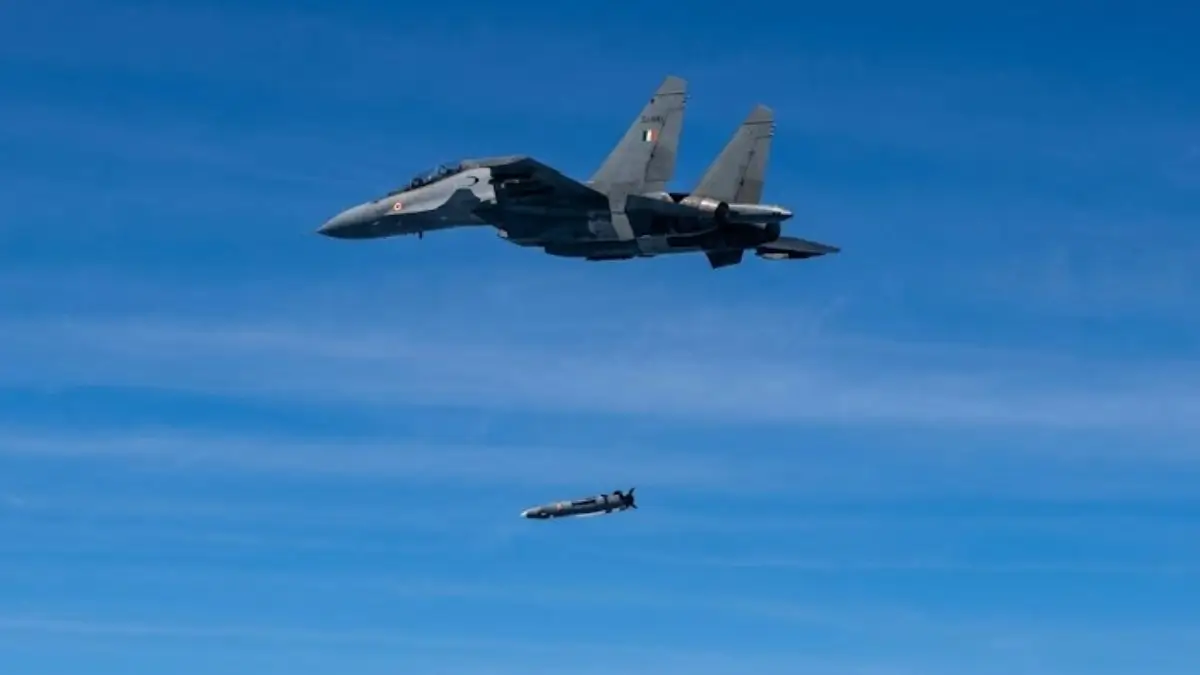







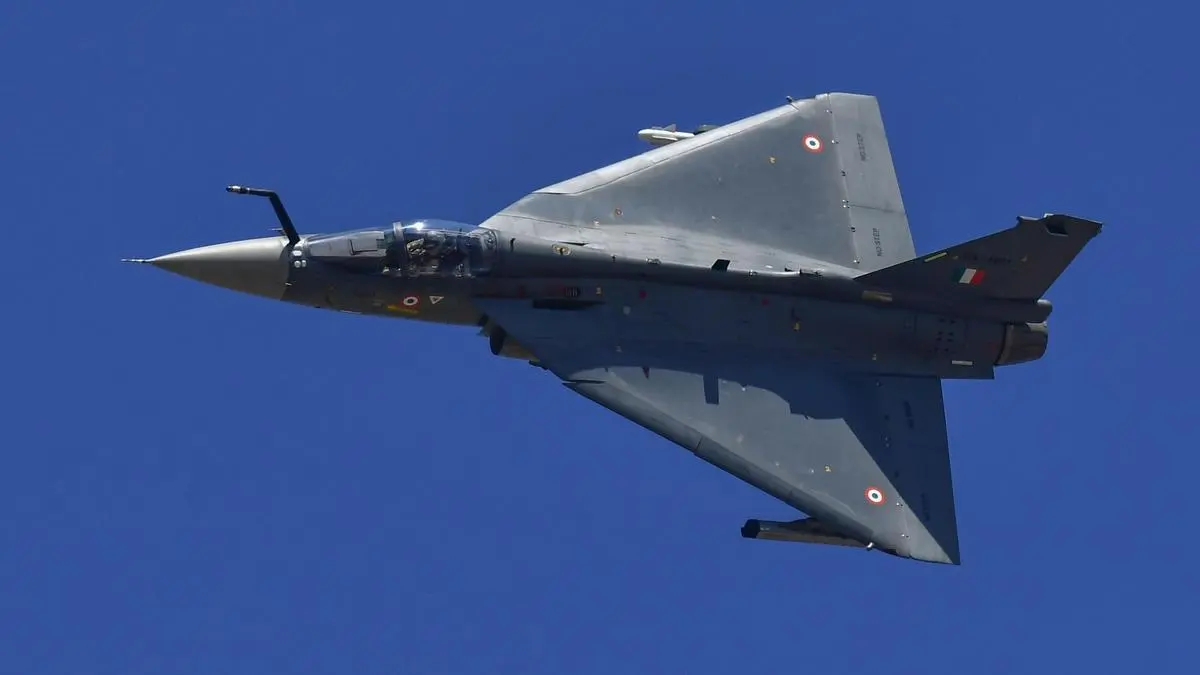
India Rafale jet deal: Defence Acquisition Council approves ₹3.25 lakh crore procurement of 114 Dassault Rafale fighter jets, enhancing IAF combat readiness and promoting Make in India defence initiatives.
Defence Acquisition Council Clears ₹3.25 Lakh Crore Mega Deal for 114 Dassault Rafale Jets
India’s defence modernisation received a major boost after the Defence Acquisition Council (DAC) — chaired by Defence Minister Rajnath Singh — formally approved the procurement of 114 Dassault Rafale multi‑role fighter jets in a deal estimated at ₹3.25 lakh crore (~ $40 billion). This decision was taken in the Council meeting held on 12 February 2026, marking what is being described as one of the largest defence deals in India’s history.
What the Deal Includes
The cleared proposal allows the Indian Air Force (IAF) to induct 114 advanced Rafale jets — highly capable 4.5‑generation fighter aircraft designed by France’s Dassault Aviation. A significant portion of these aircraft are expected to be manufactured in India, aligning with the government’s broader Make in India and Atmanirbhar Bharat initiatives to boost indigenous defence production.
Under this programme:
- 18 jets will initially be delivered in fly‑away condition from France.
- The remaining jets will be assembled or built in India with significant indigenous content.
- The procurement is aimed at bridging the Indian Air Force’s squadron shortfall and boosting air superiority capabilities.
Strategic Significance
This acquisition comes at a time when the IAF’s total number of operational fighter squadrons has fallen below the sanctioned strength of 42, making replenishment a priority for national security. The deal was cleared ahead of French President Emmanuel Macron’s visit to India, underscoring the strategic defence partnership between India and France.
Enhancing India’s Defence Fleet Capabilities
The Dassault Rafale is a multi‑role fighter known for its ability to execute ground attack, reconnaissance, and air defence missions. With advanced avionics, active electronically scanned array (AESA) radar, and integration with modern weapons systems, the jet significantly enhances India’s combat capabilities across conflict spectrums.
The deal also places emphasis on technology transfer, local production and collaboration with Indian industry players, which will create skilled jobs and broaden the defence manufacturing ecosystem within India.
Economic and Industrial Impact
With production spread across Indian facilities and partnerships, this deal is also expected to stimulate the local aerospace sector. Key components will be manufactured and assembled domestically, thereby advancing India’s aerospace supply chain capabilities and reducing dependency on foreign imports for future maintenance and upgrades.

Why This News is Important for Government Exam Aspirants
Relevance to National Security and Strategic Affairs
Understanding this defence deal is crucial for aspirants preparing for UPSC, State PSCs, defence positions (like CDS, AFCAT) and civil services, as it reflects India’s focus on strengthening national security through strategic defence procurements. The Rafale deal highlights India’s response to evolving geopolitical threats from neighbouring countries and its resolve to maintain air superiority in the region.
Make in India and Defence Manufacturing
This news strongly ties into India’s economic and industrial policies, especially the Make in India initiative. Aspirants should note how defence procurement policies are evolving to support indigenous manufacturing, technology transfer, job creation and skill development — topics frequently asked in General Studies and Essay papers.
Foreign Relations & Strategic Partnerships
The timing of the deal — just before the official visit of the French President — highlights the India‑France strategic defence partnership, which is often referenced in questions related to India’s external affairs. The Rafale acquisition also strengthens bilateral defence cooperation, making it important for GS Paper II.
Operational Strength of the Armed Forces
For defence services aspirants, exam questions may focus on the current operational strength of the Indian Air Force, modernization challenges and plans to bridge fleet shortfalls amid rising security concerns. This deal directly addresses these areas.
Historical Context: India’s Rafale Programme and Defence Modernisation
India’s engagement with the Dassault Rafale began in 2016 when it signed a contract with France to procure 36 Rafale jets for the Indian Air Force. This was a major milestone in India‑France defence cooperation and became operational with deliveries starting toward the end of the decade.
However, over the years, India realised the need for further modernisation of its air combat fleet due to retiring legacy aircraft such as MiG‑21s, MiG‑27s and ageing Mirage 2000s. With the sanctioned IAF squadron strength dropping below 42, there was a strategic requirement for additional fighter jets to enhance air defence and deep‑strike capabilities.
As part of the Multi‑Role Fighter Aircraft (MRFA) programme, the Indian Air Force proposed the acquisition of 114 additional Rafale jets. Following negotiations and policy approvals, the Defence Acquisition Council provided the Acceptance of Necessity (AoN) for the project in February 2026. This marked a shift towards a larger, strategic defence procurement that includes local manufacturing and transfer of technology to India, reflecting lessons from past procurement experiences and aligning with national defence priorities.
Key Takeaways from “India Clears Deal for 114 Rafale Jets”
| S.No. | Key Takeaway |
|---|---|
| 1 | The Defence Acquisition Council approved a ₹3.25 lakh crore deal for 114 Dassault Rafale jets — one of India’s largest defence procurements. |
| 2 | The clearance was given ahead of the French President’s official visit, highlighting strategic India‑France defence ties. |
| 3 | 18 jets will be delivered in fly‑away condition, while the remainder will be assembled or manufactured in India under Make in India. |
| 4 | The deal aims to address the Indian Air Force’s squadron shortfall and enhance combat capabilities. |
| 5 | The acquisition supports domestic defence manufacturing, technology transfer, and boosts India’s aerospace industry. |
FAQs: Frequently Asked Questions
Q1: What is the latest deal approved by the Defence Acquisition Council (DAC)?
A1: The DAC approved the procurement of 114 Dassault Rafale fighter jets for India at an estimated cost of ₹3.25 lakh crore.
Q2: How many Rafale jets will be manufactured in India?
A2: Out of 114 jets, 18 will be delivered in fly-away condition from France, while the remaining jets will be assembled or manufactured in India, supporting the Make in India initiative.
Q3: Why is the Rafale jet deal strategically important?
A3: The deal addresses the Indian Air Force’s squadron shortfall, enhances combat capabilities, and strengthens India-France defence cooperation.
Q4: What are the key features of the Dassault Rafale jet?
A4: The Rafale is a multi-role fighter capable of ground attack, reconnaissance, and air superiority missions, with advanced avionics, AESA radar, and modern weapons integration.
Q5: How does this deal impact India’s defence industry?
A5: It promotes technology transfer, local manufacturing, and skill development, strengthening India’s aerospace and defence manufacturing sector.
Q6: When was the DAC meeting held that approved this deal?
A6: The DAC meeting was held on 12 February 2026, chaired by Defence Minister Rajnath Singh.
Q7: What is the role of this deal in national security?
A7: By modernizing the IAF fleet, the deal enhances air defence, operational readiness, and strategic deterrence, crucial for national security.
Some Important Current Affairs Links