






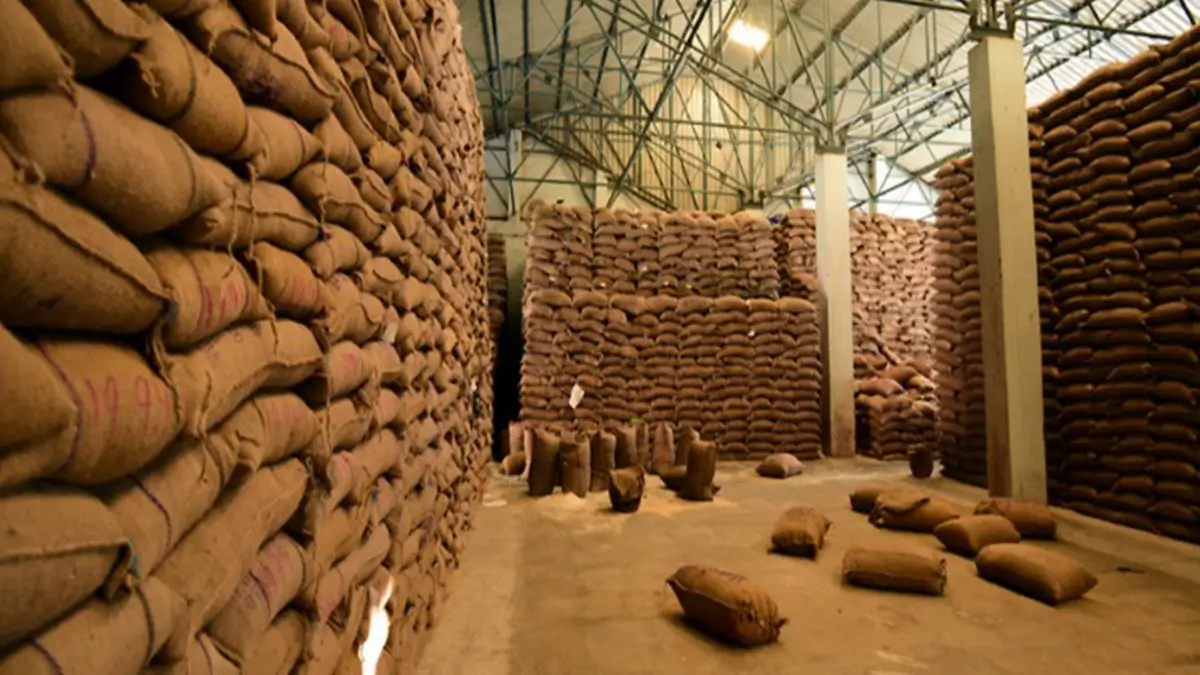
World’s Largest Grain Storage Plan in Cooperative Sector strengthens rural PACS, reduces post-harvest losses, and empowers farmers with digital infrastructure and improved storage facilities.
World’s Largest Grain Storage Plan in Cooperative Sector: Empowering India’s Rural Food Security
India has launched the World’s Largest Grain Storage Plan in the Cooperative Sector (WLGSP) — a landmark initiative aimed at revolutionising agricultural infrastructure and food security across rural India. This ambitious programme focuses on strengthening the role of Primary Agricultural Credit Societies (PACS) by building decentralised grain storage facilities, modern godowns, processing units, and allied services at the village level. By empowering the grassroots cooperative system, the plan seeks to reduce post‑harvest grain losses, support farmers’ income, and ensure better access to market opportunities.
🏗️ Strengthening Rural Grain Storage Infrastructure
One of the core goals of the WLGSP is to address the persistent shortage of grain storage infrastructure in India. Traditionally, grain storage has been concentrated in large centralised warehouses operated by national agencies, leaving many villages and small towns underserved. To bridge this gap, the Government of India has identified over 500 PACS for development, with godowns already constructed in 11 PACS across 11 states as part of the pilot phase. These facilities are being developed under a convergence of existing government schemes, including support from NABARD, State Governments, and other stakeholders.
🌾 Reducing Post‑Harvest Losses and Strengthening Food Security
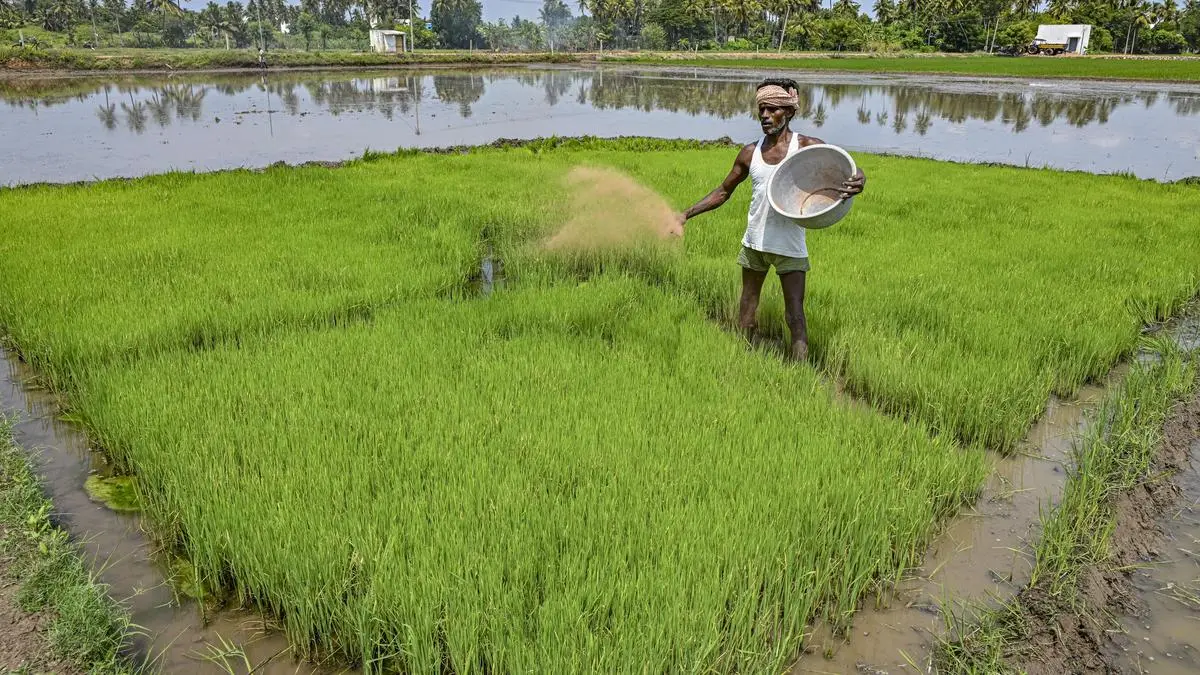
Insufficient storage capacity often forces farmers to sell their produce immediately after harvest — frequently at lower prices — or face significant post‑harvest losses due to spoilage. By localising storage facilities within cooperative societies, farmers can store their produce securely until favourable market conditions emerge. This reduces wastage, improves price realisation, and strengthens food security at both the national and community level. Decentralised storage also cuts transportation costs and reduces dependency on distant mandis.
💻 Integrating Technology and Cooperative Strength
In addition to physical infrastructure, the WLGSP emphasises digital modernisation. The Government has approved a project to computerise over 18,000 functional PACS with a national Enterprise Resource Planning (ERP) system. This digital transformation will enhance governance, record‑keeping, transparency, and connectivity, linking PACS with broader financial networks and service platforms.
📊 Economic and Social Benefits
The plan is expected to not only improve rural storage capabilities but also generate employment during construction and operation phases. PACS will evolve from basic credit entities into multi‑service rural centres, offering services such as agricultural procurement, grain processing, warehousing, and rural finance. Such empowerment can help revitalise rural economies and reduce the agrarian distress often attributed to fragmented infrastructure and limited access to modern facilities.

📌 Why This News Is Important for Government Exam Aspirants
Understanding the World’s Largest Grain Storage Plan in Cooperative Sector is crucial for aspirants preparing for competitive exams like UPSC (IAS/PCS), SSC, Banking, Railways, Defence, and Teaching because it intersects multiple important themes:
🧠 Relevance to Food Security and Agriculture
Food security is a core area in general studies papers and is often asked in relation to government policies, rural development, and economic planning. The WLGSP highlights India’s strategic efforts to bridge the gap between high agricultural production and storage limitations — a key issue in agricultural economics and public policy.
📘 Integration with Government Schemes
The scheme reflects the cooperative movement in India, convergence of multiple central programmes, and an innovative shift towards decentralised infrastructure. This relates directly to questions on governance, cooperative development, and scheme implementation that candidates often encounter.
💡 Impact on Rural Economy
By decentralising grain storage, the plan enhances farmers’ market access, reduces wastage, and strengthens rural supply chains. These socio‑economic impacts are crucial for essay topics and policy analysis questions.
🛠️ Implementation and Technology
The emphasis on digital transformation of PACS and ERP integration underlines the role of technology in rural development, a modern approach relevant to questions on digital India initiatives.
🕰️ Historical Context: Roots of the WLGSP
India’s agricultural journey has long grappled with the challenge of post‑harvest losses and inadequate storage infrastructure, despite being one of the world’s largest foodgrain producers. Historically, storage capacity could only accommodate about 47% of the annual produce, causing significant spoilage and distress selling by farmers.
The cooperative movement — rooted in India’s rural landscape since the early 20th century — has been instrumental in credit and agricultural support. However, till recently, many Primary Agricultural Credit Societies (PACS) lacked modern infrastructure and technological resources. Recognising the potential of PACS as community‑centric institutions, the Government of India approved the WLGSP in May 2023 to transform them into robust hubs of grain storage, processing, and market linkage.
From an initial pilot in selected PACS to a nationwide rollout planned by December 2026, the trajectory of the plan reflects India’s commitment to decentralised food infrastructure and rural empowerment.
📌 Key Takeaways from World’s Largest Grain Storage Plan in Cooperative Sector
| S.No. | Key Takeaway |
|---|---|
| 1 | The plan aims to build decentralised grain storage infrastructure at PACS level across India. |
| 2 | Over 500 PACS have been identified for constructing modern godowns under the pilot project. |
| 3 | Digital modernisation of PACS through ERP systems will strengthen governance and access to services. |
| 4 | Decentralised storage helps reduce post‑harvest losses and improves farmers’ income. |
| 5 | The plan supports national food security and rural economic development through cooperative empowerment. |
FAQs: Frequently Asked Questions
1. What is the World’s Largest Grain Storage Plan in Cooperative Sector (WLGSP)?
The WLGSP is an initiative by the Government of India to strengthen Primary Agricultural Credit Societies (PACS) by creating decentralised grain storage, modern godowns, and digital infrastructure to reduce post-harvest losses and improve farmers’ income.
2. How many PACS are part of the pilot phase of WLGSP?
The pilot phase includes 11 PACS across 11 states. Over 500 PACS have been identified for future expansion under this plan.
3. What are the key objectives of the WLGSP?
- Reduce post-harvest grain losses.
- Strengthen rural food security.
- Digitally modernise PACS through ERP systems.
- Empower cooperatives as multi-service rural centres.
4. How does WLGSP benefit farmers economically?
Farmers can store their produce safely until market prices are favourable, reducing distress selling and increasing income. Local storage also cuts transportation costs and improves market access.
5. Which government agencies are supporting the WLGSP?
The plan is supported through convergence of government schemes, including assistance from NABARD, State Governments, and other cooperative development programs.
6. How does technology play a role in WLGSP?
Over 18,000 PACS are being computerised with ERP systems to improve governance, record-keeping, transparency, and link rural centres to broader financial networks.
7. What is the timeline for nationwide implementation?
After the pilot phase, the Government plans to expand the scheme nationwide, with significant completion targeted by 2026.
Some Important Current Affairs Links