




South Africa homegrown FMD vaccine launch after 20 years marks a major breakthrough in veterinary science and agriculture. Learn key facts, exam notes, MCQs, and takeaways.
South Africa Ends 20-Year Wait, Launches First Homegrown Foot-and-Mouth Disease Vaccine
South Africa has achieved a major scientific and agricultural milestone by unveiling its first domestically produced Foot-and-Mouth Disease (FMD) vaccine in nearly two decades. This significant development comes amid ongoing struggles to control outbreaks of FMD — a contagious viral disease that affects livestock such as cattle, sheep, goats, and pigs and poses severe economic and trade challenges.
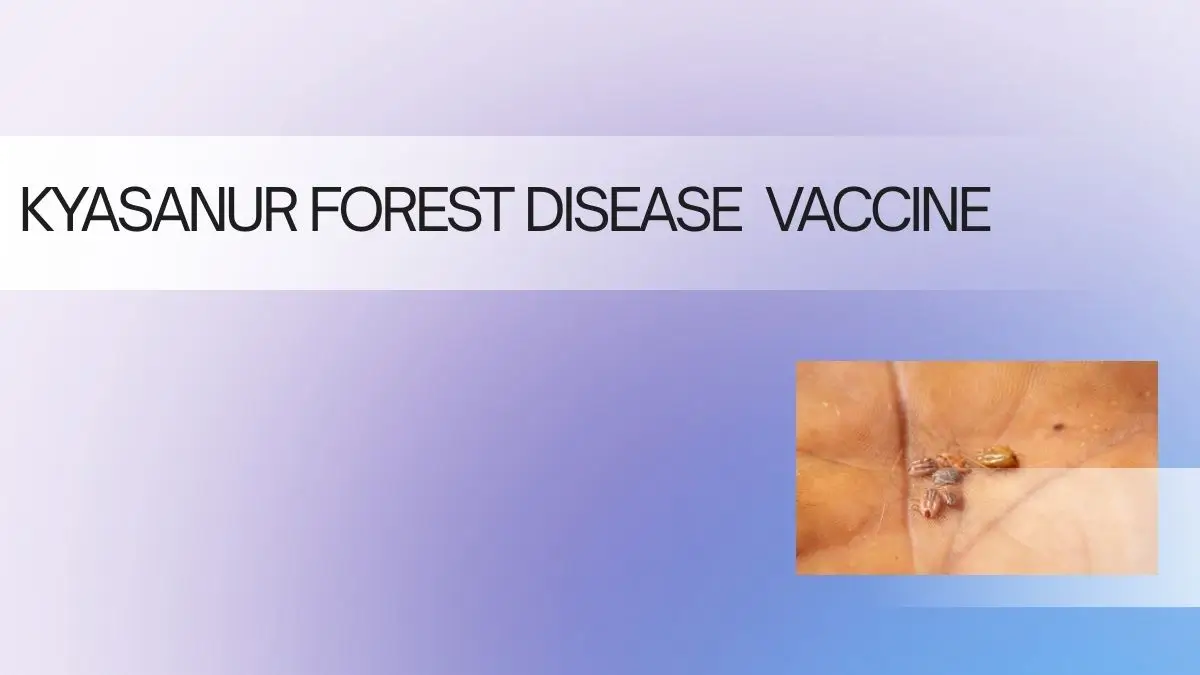
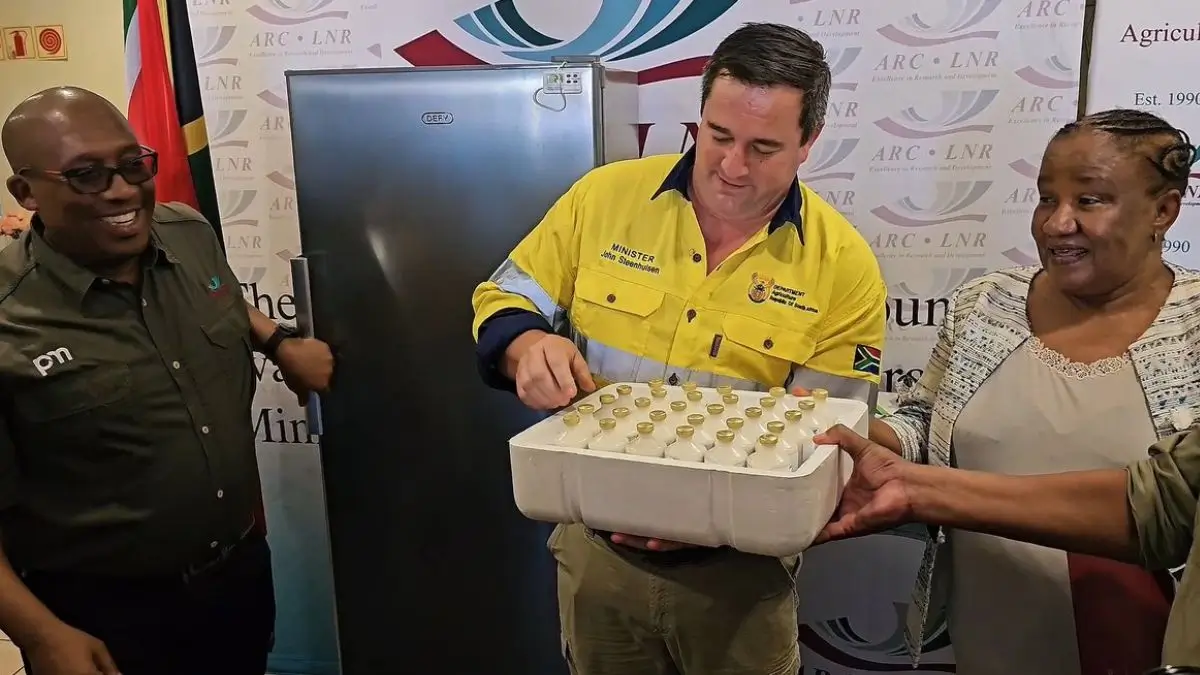
Agriculture Minister John Steenhuisen presided over the handover of the initial batch of 12,900 locally manufactured vaccine doses, produced by the Agricultural Research Council (ARC) at its Onderstepoort Veterinary Research facility. By March this year, weekly production is expected to scale up to 20,000 doses, strengthening the country’s ability to vaccinate high-risk herds across multiple provinces.
This breakthrough marks a strategic shift from dependence on imported vaccines to a science-led, proactive disease control approach. The ARC developed the vaccine using modern bioreactor technology to meet international biosafety, potency, and quality standards. By tailoring vaccine strains to regional needs, South Africa can better protect livestock, support rural livelihoods, and rebuild confidence in its agricultural exports.
The reinstitution of local vaccine production follows nearly 20 years without domestic manufacturing — production ceased in 2005 due to obsolete infrastructure and non-compliance with international manufacturing standards. The renewed capability underscores South Africa’s growing scientific and technological competence in veterinary vaccines and biosecurity.
Veterinary experts and government officials emphasize that widespread vaccination, conducted alongside strict biosecurity measures and movement controls, will be key to regaining “FMD-free” status recognized by the World Organisation for Animal Health (WOAH). Achieving this status is critical to reviving export markets and ensuring the long-term sustainability of the livestock sector.

Why This News Is Important for Government Exams
Significance for Science & Technology Syllabus
The launch of South Africa’s first homegrown FMD vaccine in 20 years represents a major scientific achievement. It highlights how vaccine research and biotechnology are crucial not only for human health but also for animal health and food security. Competitive exams often include questions related to advances in science and technology, veterinary science, biotechnology, and their impacts on society and the economy.
Relevance for Economy & Agriculture
FMD outbreaks can drastically affect the agriculture sector, particularly livestock production, rural incomes, and international trade. For candidates preparing for exams like UPSC, SSC, or state PSCs, understanding the economic implications of zoonotic and animal diseases is essential. This development shows proactive policy measures and scientific intervention to safeguard the livestock economy.
Policy & Governance Insights
The news also sheds light on government strategies for biosecurity, scientific self-reliance, and public-private collaboration. Aspirants studying government schemes, agriculture, or economy should note how countries mitigate agricultural risks through research, infrastructure investment, and disease management policies.
Overall, this current affairs story links science, economy, policy, and international health standards — all high-value topics in competitive exams.
Historical Context: Foot-and-Mouth Disease and Vaccine Production in South Africa
Foot-and-Mouth Disease (FMD) is a highly contagious viral disease affecting cloven-hoofed animals such as cattle, pigs, sheep, and goats. Outbreaks can lead to severe productivity losses, trade restrictions, and economic setbacks in the livestock industry. For decades, countries worldwide have combated FMD through coordinated vaccination campaigns, surveillance, strict biosecurity, and movement control.
In South Africa, local FMD vaccine production had been halted since 2005 due to outdated manufacturing facilities that did not meet evolving international standards. As a result, the country depended on imported vaccines to manage outbreaks — a strategy that proved costly and less responsive to region-specific viral strains.
In recent years, recurrent FMD outbreaks in several provinces underlined the need for a robust domestic response. Government agencies, in collaboration with research institutions like the Agricultural Research Council (ARC), embarked on reviving local vaccine manufacturing capacity using modern technology. This long-term effort culminated in the official release of the first South African-made FMD vaccine in nearly 20 years — a landmark achievement intended to enhance national biosecurity and vaccine self-reliance.
Key Takeaways from South Africa’s FMD Vaccine Launch
| S. No. | Key Takeaway |
|---|---|
| 1 | South Africa launched its first homegrown Foot-and-Mouth Disease (FMD) vaccine after nearly 20 years. |
| 2 | The vaccine was developed and produced by the Agricultural Research Council’s Onderstepoort Veterinary Research facility. |
| 3 | The initial batch of 12,900 doses is expected to scale up to 20,000 doses per week by March. |
| 4 | Local production strengthens disease control, reduces import reliance, and supports regaining FMD-free status recognized by WOAH. |
| 5 | The reinstitution of domestic vaccine production underscores scientific advancement and improved biosecurity strategy in South Africa. |
FAQs: Frequently Asked Questions
1. What is Foot-and-Mouth Disease (FMD)?
Foot-and-Mouth Disease (FMD) is a highly contagious viral disease that affects cloven-hoofed animals such as cattle, sheep, goats, and pigs. It spreads rapidly and can severely impact livestock productivity and international trade in animal products.
2. Which country recently launched a homegrown FMD vaccine after 20 years?
South Africa recently launched its first domestically produced FMD vaccine after nearly two decades, marking a major achievement in veterinary biotechnology and agricultural self-reliance.
3. Which organization developed South Africa’s FMD vaccine?
The vaccine was developed by the Agricultural Research Council (ARC) at the Onderstepoort Veterinary Research facility in South Africa.
4. Why is FMD vaccination important for a country’s economy?
FMD outbreaks can lead to livestock losses, trade bans, and economic damage to the agriculture sector. Vaccination helps maintain animal health, protect farmers’ livelihoods, and support export markets.
5. Which international body recognizes FMD-free status?
The World Organisation for Animal Health (WOAH) grants recognition of FMD-free status to countries that effectively control the disease.
6. How is this news relevant for competitive exams?
This news is relevant to science & technology, agriculture, economy, and international organizations — common topics in UPSC, SSC, Banking, Railways, and State PSC exams.
7. When was South Africa’s domestic FMD vaccine production previously stopped?
Domestic production had stopped around 2005 due to outdated facilities and non-compliance with international manufacturing standards.
8. What technology is used in producing the new vaccine?
The vaccine is produced using modern bioreactor and biosafety technology to meet international quality standards.
Some Important Current Affairs Links