




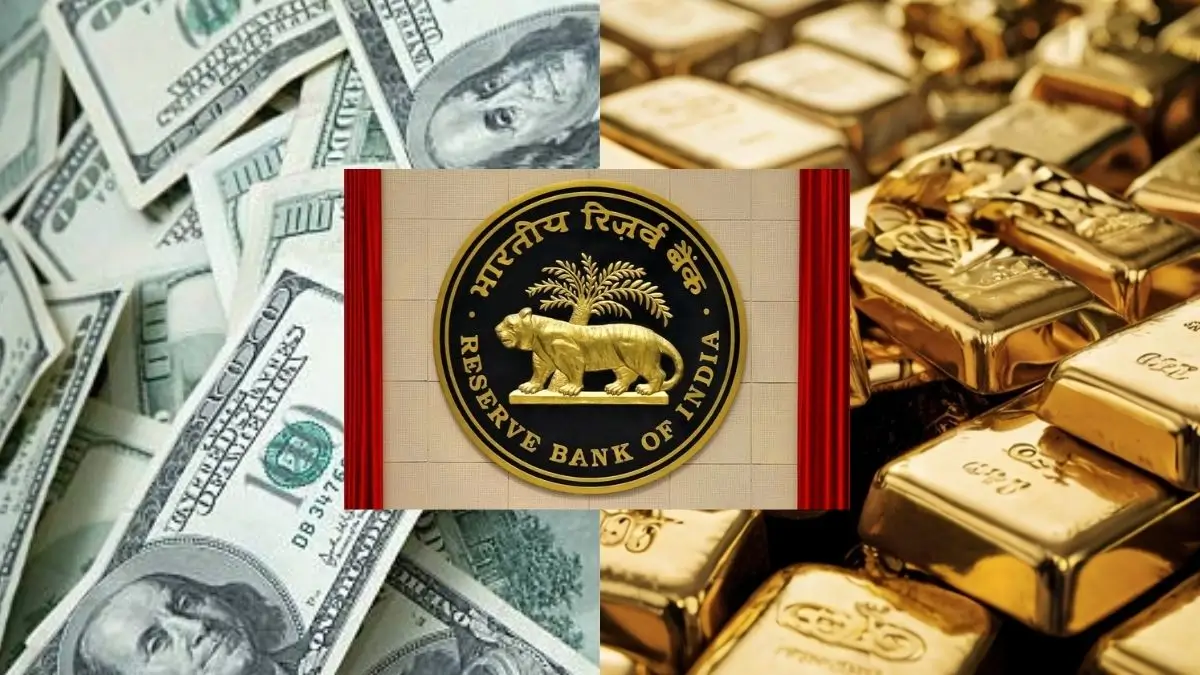
India forex reserves record 2026 reached US $723.8 billion, providing more than 11 months of import cover. Learn why RBI’s forex update is crucial for economic stability and exams.
Historic Surge in India’s Foreign Exchange Reserves in 2026
India’s foreign exchange reserves — the stockpile of foreign currencies and assets held by the Reserve Bank of India (RBI) — have reached an all‑time high of US $723.8 billion as of January 30, 2026, according to data shared by RBI Governor Sanjay Malhotra.
This remarkable milestone surpasses the previous record of around US $709.4 billion and reflects robust external sector dynamics. The forex reserves include foreign currency assets, gold reserves, Special Drawing Rights (SDRs), and India’s Reserve Tranche Position with the International Monetary Fund (IMF).
The increase signals strong capital inflows, stable macroeconomic conditions, and investor confidence in India’s economic trajectory. Analysts attribute the rise to factors such as foreign direct investment (FDI), portfolio investment inflows, strong remittances from Indian workers abroad, and favourable export performance, along with strategic reserve management by the RBI.
What This Record Reserve Level Indicates
A high forex reserve level strengthens India’s economic buffer against global uncertainties. The RBI highlighted that this reserve pile now provides more than 11 months of merchandise import cover — a key indicator of external stability. Conventional benchmarks consider a reserve cover of 6–8 months as adequate, so surpassing 11 months places India in a particularly resilient position.
From an exam perspective, this development is relevant for economy and banking awareness sections as it connects with topics like balance of payments, exchange rate management, and monetary policy.

Why This News Is Important for Competitive Exams
Boosts Understanding of India’s External Sector Strength
This news highlights India’s foreign exchange reserve accumulation, which is critical for understanding macroeconomic stability — a frequently tested area in exams like UPSC, SSC, RBI Assistant, and banking exams. A high reserve level signals the economy’s capacity to withstand external shocks, such as trade slowdowns or currency volatility.
Indicator of Economic Resilience
In competitive exams, aspirants are expected to know how foreign exchange reserves function as a safety buffer. It helps cushion negative external developments and supports sustained external financing needs. The fact that India’s import cover exceeds 11 months makes this instance particularly noteworthy.
Connects to Macroeconomic Concepts
Questions on balance of payments, RBI’s monetary and forex interventions, and India’s current account position often feature in general studies papers for civil services and banking sector tests. This news ties directly into these concepts.
For candidates preparing for economy, banking awareness, and current affairs sections, this development provides a robust case study of India’s growing external strength and policy effectiveness.
Historical Context: India’s Foreign Exchange Reserves Growth
India’s foreign exchange reserves have witnessed a long‑term upward trajectory over recent years. Earlier milestones include crossing the US $645 billion mark in 2024 and reaching record levels above US $700 billion in 2025.
These reserves comprise:
- Foreign currency assets (FCAs) — mainly US dollars, euros, British pounds, etc.
- Gold reserves — increasingly a strategic component.
- Special Drawing Rights (SDRs) — IMF allocation.
- Reserve Tranche Position (RTP) — India’s share in IMF reserves.
Over the last few years, the RBI has managed these reserves actively to balance currency market volatility, support the rupee, and ensure liquidity. For example, RBI interventions — buying dollars when the rupee is strong and selling when it weakens — directly impact these reserves.
Historically, maintaining a sizeable forex reserve has been crucial for India. In the early 1990s, low reserves were a factor leading to economic reforms. Today’s high levels reflect decades of policy evolution and integration into global financial markets. This historical progression from vulnerability to strength is regularly referenced in economics and history sections of competitive exams.
Key Takeaways from “India’s Foreign Exchange Reserves Touch Historic High”
| S. No. | Key Takeaway |
|---|---|
| 1 | India’s foreign exchange reserves hit a record US $723.8 billion by January 30, 2026. |
| 2 | The record level provides more than 11 months of merchandise import cover. |
| 3 | Reserves grew due to capital inflows, remittances, export performance, and RBI management. |
| 4 | Foreign exchange reserves include foreign currency assets, gold, SDRs, and IMF position. |
| 5 | A high forex reserve level strengthens economic resilience and confidence in India’s external sector. |
FAQs: Frequently Asked Questions
Q1. What are India’s foreign exchange reserves?
A1. India’s foreign exchange reserves are the stockpile of foreign currencies, gold, Special Drawing Rights (SDRs), and the Reserve Tranche Position (RTP) with the IMF, held by the Reserve Bank of India to ensure economic stability.
Q2. What is the current level of India’s forex reserves?
A2. As of January 30, 2026, India’s foreign exchange reserves reached a record US $723.8 billion.
Q3. Why is a high forex reserve important for India?
A3. High reserves provide a buffer against external shocks, help stabilize the Indian rupee, cover import requirements, attract foreign investment, and indicate macroeconomic stability.
Q4. What components make up India’s forex reserves?
A4. The main components are:
- Foreign currency assets (FCAs)
- Gold reserves
- Special Drawing Rights (SDRs)
- Reserve Tranche Position (RTP) with IMF
Q5. How many months of import cover do India’s current forex reserves provide?
A5. India’s reserves provide more than 11 months of merchandise import cover, well above the conventional benchmark of 6–8 months.
Q6. How do forex reserves impact the Indian rupee?
A6. The RBI uses forex reserves to intervene in currency markets. High reserves help maintain rupee stability by providing the ability to buy or sell foreign currency as needed.
Q7. What factors contributed to the rise in India’s forex reserves?
A7. Key factors include foreign direct investment (FDI), portfolio inflows, remittances from Indians abroad, strong export performance, and RBI’s strategic management of reserves.
Q8. How does this news matter for government exams?
A8. It is relevant for exams like UPSC, SSC, banking, RBI Assistant, and civil services, covering economy, balance of payments, and RBI monetary policy topics.
Some Important Current Affairs Links