







US immigrant visa freeze 2026 impacts citizens of 75 countries. Learn about affected nations, visa types, and implications for permanent residency applications.
US Freezes Immigrant Visa Processing for Citizens of 75 Countries
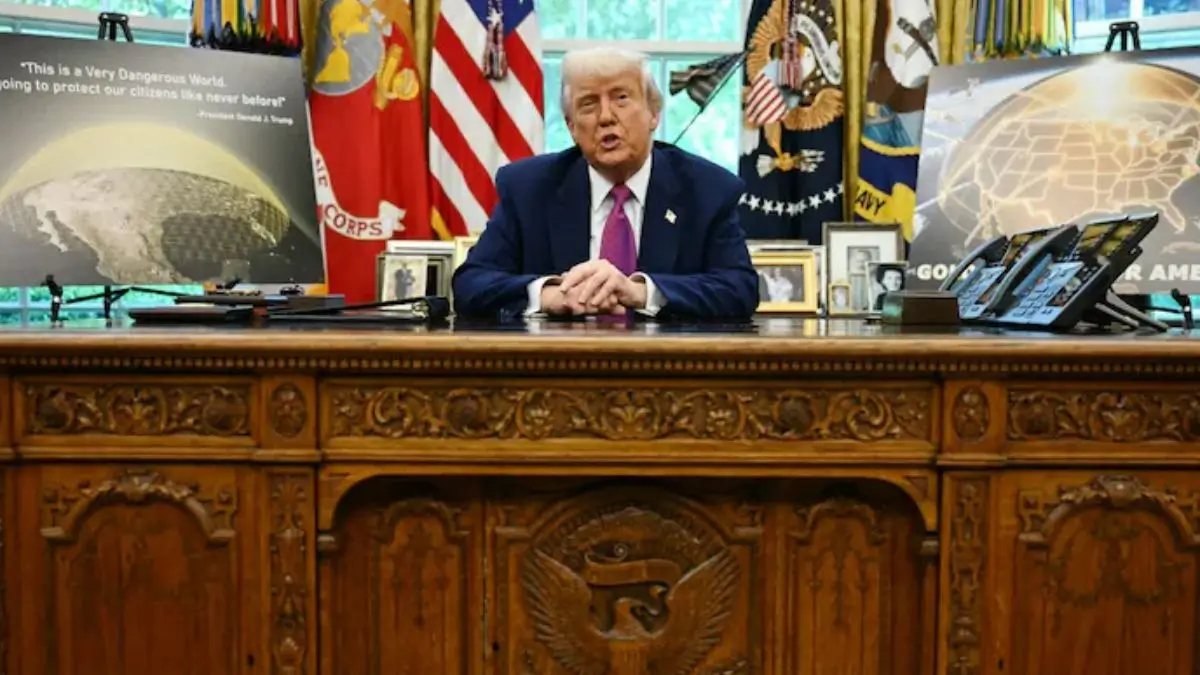
The United States government has implemented a major immigration policy change by indefinitely freezing immigrant visa processing for nationals of 75 countries, effective January 21, 2026. This decision, taken under the Trump administration, marks a significant tightening of U.S. immigration procedures, particularly in the area of permanent residency and family-based immigration.
The freeze applies exclusively to immigrant visas — the category of visas that allows foreign nationals to settle permanently in the United States. This includes visas obtained through family sponsorship, employment channels, and other permanent residency pathways. However, non-immigrant visas (such as tourist, student, business, and temporary work visas) remain unaffected for now.
According to the U.S. State Department, the policy is rooted in longstanding legal provisions that allow visa decisions to consider whether applicants might become a “public charge” — a term used for individuals likely to rely on government welfare benefits. Officials argue that the move is intended to better screen prospective immigrants to protect public resources and emphasize self-sufficiency among future residents.
📌 What the Visa Freeze Means
Under this new directive:
- Immigrant visa applications from citizens of the listed 75 nations will no longer be processed until further notice.
- Consular officers are directed to refuse existing cases that have not been finalized, even if the visa has been approved but not yet issued.
- The policy will remain in effect indefinitely while the State Department reevaluates screening and vetting procedures.
Although the U.S. President and State Department officials frame the change as a security and welfare safeguard measure, it has sparked global concern, especially among aspiring immigrants and families seeking reunification. Critics view this policy as an extension of the administration’s broader immigration restraint agenda.

📘 Why This News Is Important for Exam Aspirants
Relevance to Current Affairs Sections
Understanding this policy is crucial for International Relations, World Politics, Public Policy, and Global Governance topics across competitive exams. The move is one of the most significant shifts in U.S. immigration policy in recent years and illustrates the interplay between domestic policy goals and international migration patterns, which are frequently asked in UPSC, PCS, SSC and other high-level government exams.
Implications for Global Mobility
The freeze impacts millions of potential migrants worldwide by restricting pathways to permanent residence in the most sought-after immigrant destination. Such policies influence global migration trends and bilateral relations between the U.S. and affected nations — topics relevant for essay writing, policy analysis, and ethics papers.
Significance in International Law & Human Rights
The policy highlights debates around immigration rights, welfare policy, non-discrimination principles, and sovereign authority over borders — all key in international law and political science syllabi. Exam questions might ask you to analyze immigration policy in the context of national interest versus humanitarian obligations.
Broader Economic and Social Impact
Exam papers often focus on how visa regulations affect global labour mobility, remittances, and demographic shifts. Restrictions like this potentially affect international talent flow, foreign labour markets, and economic linkages — important for economy and socio-economic analysis sections.
📜 Historical Context
Evolution of U.S. Immigration Policy
The United States has a long history of adjusting immigration laws based on political, economic, and security considerations. Major laws like the Immigration and Nationality Act of 1965 abolished national-origin quotas, while later acts introduced more selective skills- and family-based systems. These policies overall shaped the modern landscape of U.S. immigration.
The “Public Charge” Doctrine
The public charge rule allows immigration authorities to deny visas to applicants likely to become dependent on government assistance. While this principle existed previously, its broad application as a basis for indefinite freezes on entire categories of immigrants represents a new expansion of its use.
Trump Administration’s Immigration Stance
Previous Trump administration policies included travel bans targeting specific Muslim-majority countries and stricter asylum rules. This latest move extends that stance by targeting a wider set of nations in the name of economic self-interest and social welfare protection — a continuation of America-First immigration priorities.
📊 Key Takeaways from US Freezes Immigrant Visa Processing for 75 Countries
| S.No | Key Takeaway |
|---|---|
| 1. | The U.S. has indefinitely frozen immigrant visa processing for citizens of 75 countries starting January 21, 2026. |
| 2. | The freeze affects only immigrant (permanent residency) visas, not temporary or non-immigrant visas. |
| 3. | The policy aims to prevent applicants likely to depend on public benefits (“public charge”). |
| 4. | Nations affected span across Africa, Asia, Latin America, the Middle East, and Eastern Europe. |
| 5. | Consular officers may refuse visas already approved but not yet issued under the new directive. |
FAQs: Frequently Asked Questions
1. What is the US immigrant visa freeze announced in 2026?
The US government announced an indefinite freeze on immigrant visa processing for citizens of 75 countries, effective from January 21, 2026. This applies to permanent residency visas but not non-immigrant visas like student or tourist visas.
2. Which types of visas are affected by this freeze?
Only immigrant visas (family-based, employment-based, and other permanent residency visas) are affected. Non-immigrant visas (temporary work, student, or tourist visas) are not impacted.
3. Why did the US impose this visa freeze?
The freeze is based on the “public charge” principle, aiming to ensure that immigrants are self-sufficient and less likely to depend on government welfare. It is also part of the administration’s broader immigration policy priorities.
4. Are Indian citizens included in this visa freeze?
Yes, India is among the 75 countries affected by this policy. Citizens applying for permanent residency from these countries will experience delays or denial under this directive.
5. How long will this freeze last?
The freeze is indefinite. It will remain in place until the US State Department revises its immigrant visa processing rules or issues new guidelines.
6. How does this affect international students or temporary workers?
There is no direct impact on non-immigrant visas such as H-1B, F-1, or B-1/B-2 visas. Only applicants seeking permanent residency are affected.
7. What is the significance of this news for exam aspirants?
This policy is relevant for International Relations, Public Policy, Global Governance, and Human Rights topics in exams like UPSC, PCS, SSC, Banking, Railways, and Defence exams.
Some Important Current Affairs Links