






Meghalaya first woman chief justice, Justice Revati Mohite Dere, sworn in on 10 January 2026. Learn about her judicial career, appointments, and significance in gender representation.
Meghalaya Gets Its First Woman Chief Justice
Justice Revati Mohite Dere Sworn In at High Court of Meghalaya
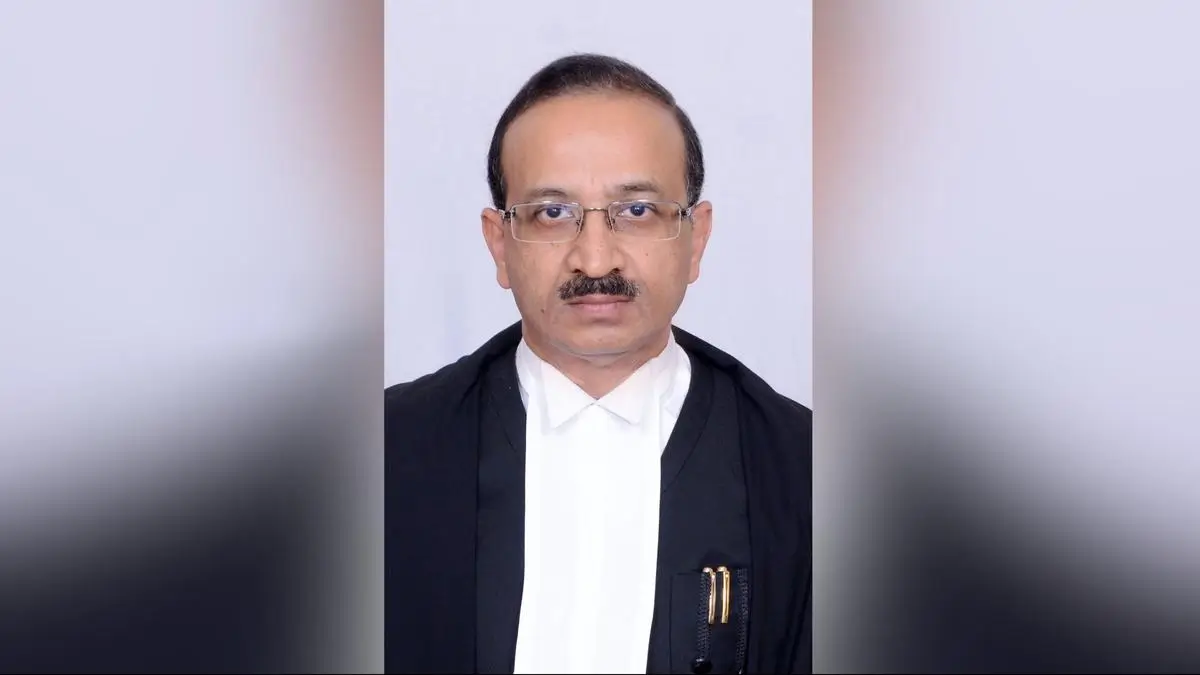
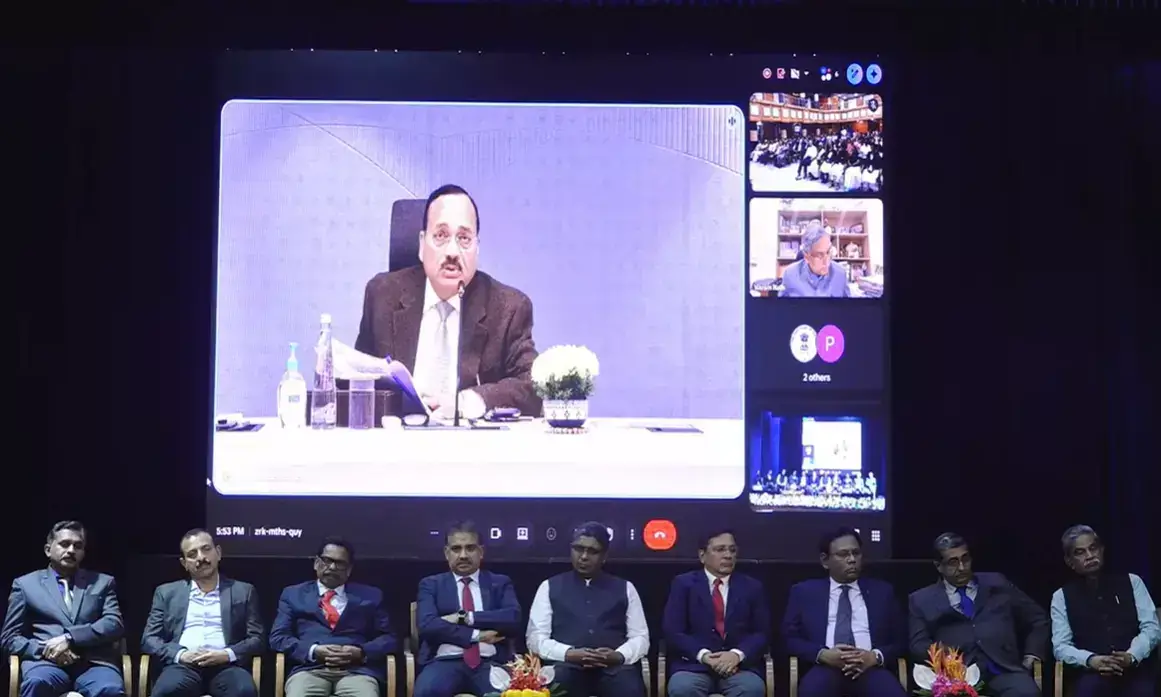
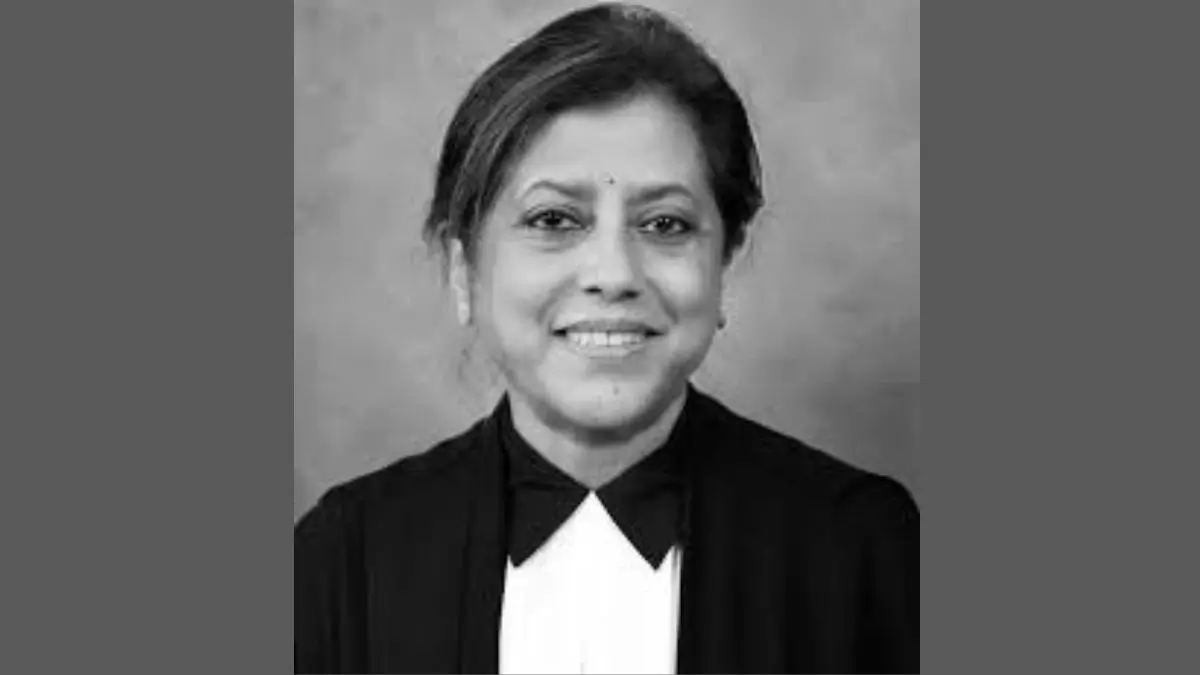
Justice Revati Mohite Dere has been sworn in as the first woman Chief Justice of the Meghalaya High Court, marking a historic moment in the judicial history of the state. The oath-taking ceremony was held on January 10, 2026, at the Durbar Hall of Lok Bhavan in Shillong, officiated by Governor Chandrashekhar H. Vijayashankar. Her appointment follows the transfer of the previous Chief Justice, Justice Soumen Sen, to another high court, and represents a significant milestone in gender representation within India’s judiciary.
Justice Dere succeeds Justice Soumen Sen as the head of the Meghalaya High Court. Prior to this elevation, she served for more than a decade at the Bombay High Court, where she earned respect for her judgments on constitutional and criminal law issues. Her long and distinguished legal career includes impactful decisions on police accountability, criminal procedure, and press freedoms, which were widely cited in legal circles.
This appointment is especially notable considering Meghalaya’s matrilineal society, where tradition accords respect to women, but representation in higher judiciary roles had remained limited. Justice Dere’s leadership marks a step forward in bridging the gap between social structure and institutional representation.
As Chief Justice, she will be responsible not only for judicial administration and case allocations but also for ensuring that justice delivery in Meghalaya is efficient, fair, and accessible. Her elevation was recommended by the Supreme Court Collegium in December 2025 and formally accepted by the President of India, culminating in an appointment that resonates with constitutional values of equality and merit.

Why This News Is Important for Competitive Exams
Representation and Gender Equality in Judiciary
This news is crucial for students preparing for government competitive exams because it highlights a significant development in India’s judicial landscape. The appointment of Justice Revati Mohite Dere as the first woman Chief Justice of the Meghalaya High Court reflects the evolving nature of gender representation in constitutional institutions. Questions related to gender equality, diversity in judiciary, and representation of women in leadership roles are increasingly common in general awareness sections of exams like UPSC, SSC CGL, judicial services exams, and state PCS.
Judicial Appointments and Constitutional Framework
Understanding how judges are appointed — particularly the role of the Supreme Court Collegium — is fundamental for exams such as UPSC Civil Services (Prelims & Mains) and Judicial Services Examinations. The Collegium system, constitutional provisions (Articles 217 and 222), and judicial transfers often form part of the polity and governance syllabus. This news offers a real-world example of these processes in action.
Regional and Cultural Relevance
Meghalaya’s unique matrilineal culture contrasted with low female representation in top judicial positions provides context for questions related to social structure and governance. Students can relate this development to themes like gender justice, institutional inclusivity, and regional socio-legal conditions, which are key to essay writing and interview stages.
Historical Context: Women in Judiciary and Meghalaya High Court
Evolution of Female Leadership in Indian Judiciary
The Indian judiciary has historically seen limited female representation in senior positions. While India has yet to have a woman Chief Justice of India, women have steadily risen through the ranks in various High Courts. The Supreme Court Collegium’s increasing recommendations of women judges to chief justice posts demonstrate institutional progress toward gender parity.
Meghalaya High Court’s Judicial History
The Meghalaya High Court was established in 2013 after the High Court of Meghalaya’s creation, carved out from the Gauhati High Court’s jurisdiction. The first Chief Justice was T. Meena Kumari, who served briefly in 2013, setting the initial precedent for judicial leadership in the state.
Justice Revati Mohite Dere’s elevation in 2026, more than a decade after the court’s establishment, marks only the second time a woman has held the chief justice position in this jurisdiction. Her career, marked by her tenure at the Bombay High Court and significant judgments on criminal law and civil liberties, showcases the growing impact of women jurists in shaping legal discourse.
Key Takeaways from “Meghalaya Gets Its First Woman Chief Justice”
| S. No. | Key Takeaway |
|---|---|
| 1 | Justice Revati Mohite Dere has been appointed as the first woman Chief Justice of the Meghalaya High Court. |
| 2 | She took oath on 10 January 2026 in Shillong. |
| 3 | Her appointment was recommended by the Supreme Court Collegium in December 2025. |
| 4 | Justice Dere previously served as a judge at the Bombay High Court. |
| 5 | This marks a historic moment for gender representation in the judiciary of Northeast India. |
FAQs: Frequently Asked Questions
1. Who is the first woman Chief Justice of the Meghalaya High Court?
Justice Revati Mohite Dere became the first woman Chief Justice of the Meghalaya High Court in January 2026.
2. When was Justice Revati Mohite Dere sworn in as Chief Justice?
She was sworn in on 10 January 2026 at Shillong.
3. What is the role of the Supreme Court Collegium in judicial appointments?
The Supreme Court Collegium recommends appointments and transfers of judges in High Courts and the Supreme Court, which are then approved by the President of India.
4. What is the significance of this appointment?
This marks a historic moment for gender representation in Meghalaya’s judiciary and highlights progress toward women leadership in India’s legal system.
5. What was Justice Dere’s previous judicial experience?
She served as a judge at the Bombay High Court and is known for her landmark judgments in constitutional, criminal, and civil law.
6. Why is this news relevant for competitive exams?
Questions on judicial appointments, gender equality in institutions, and regional representation in governance often appear in exams like UPSC, SSC CGL, State PCS, and Judicial Services.
7. How does this appointment relate to Meghalaya’s social structure?
Meghalaya is a matrilineal society, and this appointment bridges the gap between traditional societal respect for women and their representation in formal institutions.
Some Important Current Affairs Links