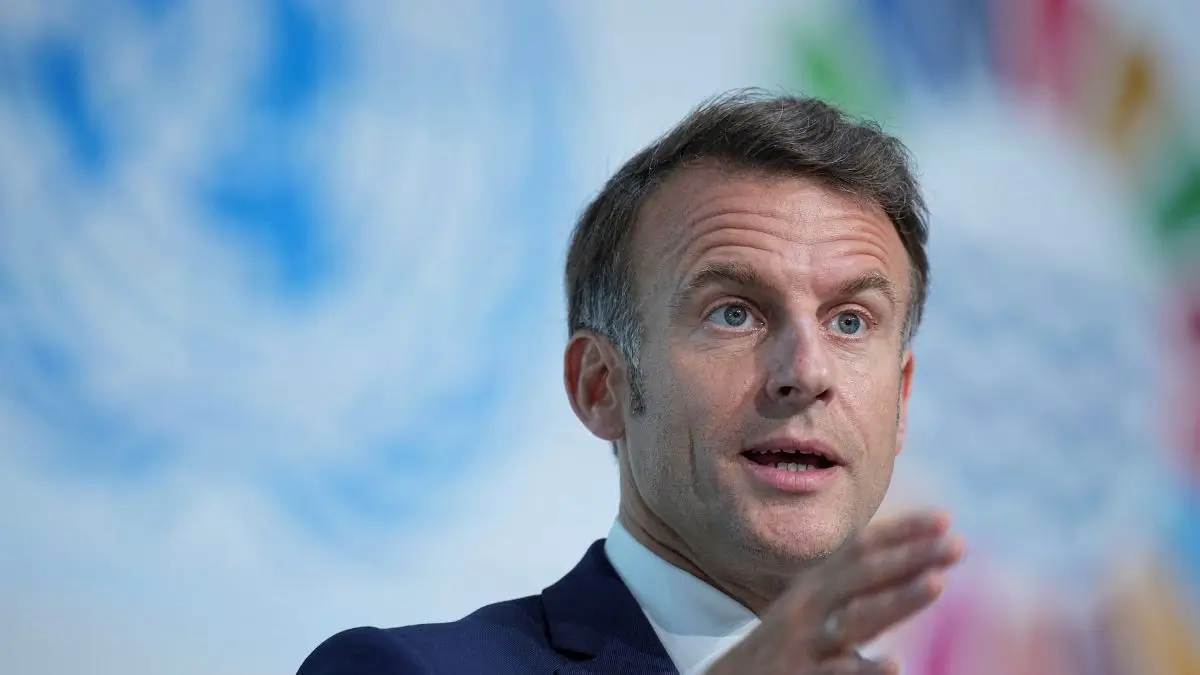


International IDEA Chair 2026 will be Gyanesh Kumar, Chief Election Commissioner of India, highlighting India’s global recognition in democratic governance and electoral reforms.
CEC Gyanesh Kumar to Chair International Institute for Democracy and Electoral Assistance (International IDEA) in 2026
India’s Election Commission Head to Lead Global Democracy Body
Gyanesh Kumar, the Chief Election Commissioner (CEC) of Election Commission of India (ECI), is set to assume the chairship of International IDEA for the year 2026. The formal takeover will occur on 3 December 2025, during the forthcoming Council of Member States meeting in Stockholm, Sweden. As Chair, Gyanesh Kumar will preside over all council meetings throughout 2026.
What is International IDEA and Its Significance
International IDEA is an inter‑governmental organisation established in 1995, dedicated to strengthening democratic institutions and electoral processes around the world. It currently comprises 35 member countries, with nations like the United States and Japan participating as observers. The organisation works to promote inclusive, transparent, and accountable democratic systems globally.
India has been a founding member of International IDEA and has long played an active role in its governance and democratic discourse. The ECI has highlighted that this chairship for 2026 is a strong recognition of India’s global standing as a credible and innovative election‑management body.
What Gyanesh Kumar’s Chairship Means for India & Global Electoral Reforms
Under this new role, Gyanesh Kumar is expected to bring India’s vast experience of conducting the world’s largest electorate elections to the forefront. The collaboration between International IDEA and ECI — especially through its training wing India International Institute of Democracy and Election Management (IIIDEM) — will facilitate global sharing of election‑management best practices. This includes technological innovations, administrative frameworks, and capacity‑building initiatives for other Election Management Bodies (EMBs) worldwide.
The partnership aims to address contemporary democratic challenges such as electoral violence, misinformation/disinformation, and erosion of voter trust. Through joint programmes, workshops, and research collaborations, India — under Kumar’s leadership — will help shape an evidence‑based agenda for electoral reforms globally.

Why This News Is Important
Global Recognition of India’s Electoral Expertise
This appointment underscores international acknowledgement of India’s election‑management capabilities. For aspirants appearing in civil service, governance, or public administration exams — such as UPSC or state‑level PSCs — this is a testament to India’s institutional strength. It emphasizes how Indian election processes are being modelled globally, reflecting the country’s democratic resilience.
Relevance for Governance, Democracy and Competitive Exams
For exams covering polity, government schemes, and international bodies, understanding International IDEA and India’s association with it becomes vital. The chairship enhances India’s visibility on the global stage for democratic governance — a relevant point for current affairs, general studies, and essay papers.
Implications for Electoral Reforms & Global Cooperation
Under Kumar’s chairship, there may be increased collaboration between India and other democracies, focusing on electoral reforms, capacity building, and tackling modern challenges such as election‑related disinformation. For future governance and administration aspirants, this indicates evolving standards in democratic governance and international cooperation — a key area of contemporary relevance.
Historical Context
Origins and Purpose of International IDEA
Founded in 1995, International IDEA aims to support and strengthen democratic institutions worldwide. Over the decades, it has grown to include 35 member nations, bringing together governments, election‑management bodies, and civil society to promote democratic values, transparent electoral processes, and institutional reforms. Its mandate includes election support, constitutional design, democracy building, and advisory services for member countries.
India’s Longstanding Membership and Contribution
India has been a founding member of International IDEA and has contributed actively to its governance and programmes. Through its training wing IIIDEM, ECI has extended training, expertise, and institutional support to election officials not only domestically but also internationally. Historically, India’s large electorate, diverse polity, and robust electoral machinery have made it a model for other countries — a legacy now being leveraged globally.
Significance of Previous India‑led Initiatives
Over the years, India’s election commission has developed several mechanisms — technological innovations, voter education campaigns, transparent electoral rolls — that have often been studied or adopted by other democracies. By ascending to the leadership of International IDEA, India gets an opportunity to formalize such knowledge‑sharing and position itself as a mentor for conducting credible elections internationally.
Key Takeaways from This News
| S.No | Key Takeaway |
|---|---|
| 1 | Gyanesh Kumar, Chief Election Commissioner of India, will chair International IDEA for 2026. |
| 2 | International IDEA is an inter‑governmental organisation with 35 member countries, aimed at promoting inclusive and accountable democracies worldwide. |
| 3 | India is a founding member of International IDEA and has contributed to its governance and democratic initiatives globally. |
| 4 | As Chair, Kumar will preside over all council meetings in 2026 and guide International IDEA’s agenda on electoral reforms, knowledge sharing, and global cooperation. |
| 5 | The partnership between International IDEA and India’s training institute IIIDEM will foster global capacity building to counter challenges like disinformation, electoral violence, and declining voter trust. |
FAQs: Frequently Asked Questions
1. Who is Gyanesh Kumar and what role will he assume in 2026?
Gyanesh Kumar is the Chief Election Commissioner of India. He will chair the International Institute for Democracy and Electoral Assistance (International IDEA) for the year 2026.
2. What is International IDEA?
International IDEA is an inter-governmental organization established in 1995 to support democratic institutions, strengthen electoral processes, and promote good governance globally. It has 35 member countries.
3. When will Gyanesh Kumar formally take over as Chair of International IDEA?
He will formally assume the chairship on 3 December 2025, during the Council of Member States meeting in Stockholm, Sweden.
4. Why is India’s leadership in International IDEA significant?
It highlights India’s global recognition in election management, showcasing its expertise in conducting free, fair, and large-scale democratic elections. This also allows India to share its best practices with other democracies.
5. What initiatives can be expected under Gyanesh Kumar’s chairship?
Kumar is expected to focus on global electoral reforms, capacity building, countering misinformation in elections, and sharing India’s experience through its training wing IIIDEM for international election management support.
6. How does this news relate to government exams?
For exams like UPSC, PSCs, or other competitive government exams, this news is important for current affairs, polity, international relations, and governance-related questions.
Some Important Current Affairs Links