


Chief of Materiel Indian Navy appointment 2025 — Vice Admiral B Sivakumar assumes charge as the 40th COM. Learn about his career, qualifications, and the strategic importance of this leadership change for India’s naval modernization.
Vice Admiral B Sivakumar Takes Charge as Chief of Materiel
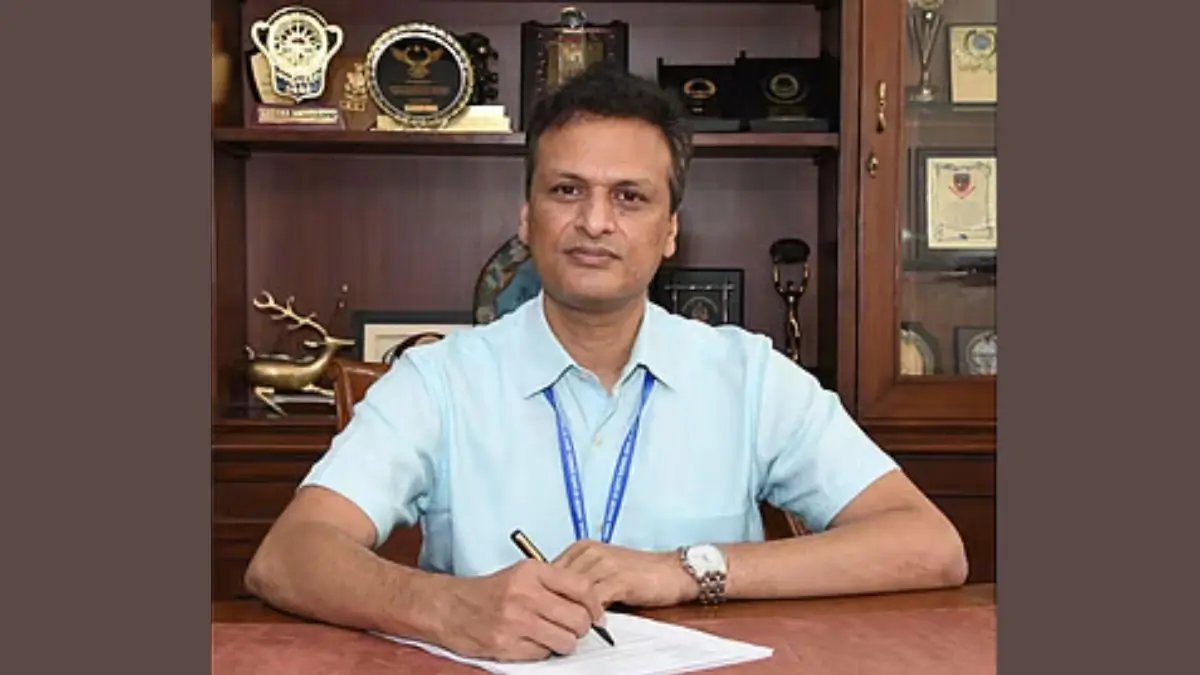
On 1 November 2025, Vice Admiral B Sivakumar assumed the role of the 40th Chief of Materiel (COM) of the Indian Navy, succeeding Vice Admiral Kiran Deshmukh.
This appointment marks a significant milestone in naval leadership, placing an officer with deep technical expertise and strategic experience at the helm of material readiness for India’s maritime force.
Appointment and its significance
Vice Admiral Sivakumar brings over 38 years of distinguished service after being commissioned on 1 July 1987. His academic credentials include a Master’s in Electrical Engineering from IIT Chennai, postgraduate qualifications in Higher Defence Management from Osmania University, an MPhil from University of Madras, and an alumnus of the National Defence College.
His robust blend of operational, technical and acquisition experience underlines the Navy’s evolving emphasis on technology-led transformation, warship design & acquisition, maintenance and logistic readiness.
Career and leadership trajectory
His service record includes operational postings on warships such as INS Ranjit, INS Kirpan, and INS Akshay. He has commanded the electrical training base INS Valsura and headed critical directorates at Naval Headquarters (weapons equipment and electrical engineering).
Further, as a senior flag officer, he held strategic-level roles including Additional Director General (Technical) for Project Seabird (India’s naval infrastructure expansion), Chief Staff Officer (Tech) at Western Naval Command, Admiral Superintendent of Naval Dockyard Mumbai, and Controller of Warship Production & Acquisition.
These roles reflect deep involvement in shipbuilding, maintenance, systems engineering, and acquisition — all critical components of the Navy’s material readiness.
The role of Chief of Materiel and forward priorities
As Chief of Materiel, he will oversee fighter-ship systems, naval dockyards, technical sustainment, ship design, and acquisition programmes. He inherits this position from Vice Admiral Kiran Deshmukh, whose tenure was marked by improved technical combat readiness and high asset availability.
In his new role, Vice Admiral Sivakumar is expected to drive further modernization, integrate digital & electrical architectures into vessels, strengthen maintenance infrastructure on both coasts (Mumbai and Visakhapatnam), and ensure the Indian Navy remains poised for full-spectrum naval operations in a rapidly changing maritime domain.

Why This News Is Important
Relevance to national defence strategy
The Indian Navy plays a pivotal role in India’s maritime security, especially in the Indo-Pacific region. Leadership changes at the level of Chief of Materiel impact how the Navy manages its fleet readiness, maintenance cycles and acquisition of new platforms — all of which are critical to India’s strategic posture.
Significance for aspirants of government services
For students preparing for defence services (such as the armed forces, navy/air force entries), civil services (like Union Public Service Commission aspirants) or even banking, railways and other government exams — staying updated with appointments in key defence positions demonstrates awareness of national leadership, policy direction and public administration. Questions can focus on who is appointed, what role they take, and the broader institutional context.
Impact on technological modernisation and administration
The appointment of a technically-qualified officer signals the Indian Navy’s emphasis on technical competence and innovation. This is relevant for exam topics such as defence procurement, indigenisation (Atmanirbhar Bharat), infrastructure projects and role of leadership in defence. Understanding such appointments helps students grasp how policy, technology and leadership intersect in India’s defence administration.
Historical Context
Evolution of Chief of Materiel and naval material readiness
The position of Chief of Materiel in the Indian Navy is critical to the service’s warfighting capability. Over decades, Indian Navy’s emphasis shifted from merely ship acquisition to lifecycle maintenance, dockyard modernisation, indigenous design and digital integration.
As India’s maritime ambitions expanded, especially after the 2000s, the role of material readiness — including ship repair, upgrade programmes, submarine and aircraft integration — gained prominence.
Infrastructure projects like Project Seabird (for expanding naval base at Karwar) and expansion of dockyards at Mumbai and Visakhapatnam underscore the evolving requirements of material management. The fact that Vice Admiral Sivakumar has been part of Project Seabird reflects this strategic evolution.
Predecessor’s legacy
His predecessor, Vice Admiral Kiran Deshmukh, served over 39 years and during his tenure advanced the Navy’s technical combat readiness and asset availability. This appointment hence represents continuity but also a shift towards more technically specialised leadership.
Wider defence administration context
In the larger context of India’s defence services, leadership appointments in top technical posts correlate with policymaking, budgeting, indigenisation push (such as Make in India in defence), and enhanced maritime focus. For civil services or defence-services aspirants, keeping track of such developments contributes to understanding how strategic roles are assigned and structured within the defence establishment.
Key Takeaways from “Vice Admiral B Sivakumar Takes Charge as Chief of Materiel”
| S. No. | Key Takeaway |
|---|---|
| 1 | Vice Admiral B Sivakumar became the 40th Chief of Materiel of the Indian Navy on 1 November 2025. |
| 2 | He succeeds Vice Admiral Kiran Deshmukh, who had served over 39 years with notable technical leadership. |
| 3 | Sivakumar was commissioned on 1 July 1987, and has over 38 years of service with expertise in electrical engineering and naval systems. |
| 4 | His academic credentials include Master’s from IIT Chennai, postgraduate Higher Defence Management from Osmania University, an MPhil from University of Madras, and alumni of National Defence College. |
| 5 | His previous roles include Directorates of Weapons Equipment & Electrical Engineering at NHQ, DG Naval Projects Visakhapatnam, Controller of Warship Production & Acquisition and additional leadership for Project Seabird — aligning with the Navy’s focus on modernization. |
Frequently Asked Questions (FAQs)
1. Who is Vice Admiral B. Sivakumar?
Vice Admiral B. Sivakumar is a senior officer in the Indian Navy who has been appointed as the 40th Chief of Materiel (COM). He brings over 38 years of experience in naval engineering, maintenance, and acquisition.
2. When did Vice Admiral B. Sivakumar assume charge as Chief of Materiel?
He officially took charge on 1 November 2025, succeeding Vice Admiral Kiran Deshmukh.
3. What is the role of the Chief of Materiel in the Indian Navy?
The Chief of Materiel is responsible for all technical, logistics, maintenance, and acquisition aspects of naval assets, ensuring the operational readiness of ships, submarines, and aircraft.
4. What are the academic qualifications of Vice Admiral B. Sivakumar?
He holds a Master’s degree in Electrical Engineering from IIT Chennai, a postgraduate degree in Higher Defence Management from Osmania University, an MPhil from the University of Madras, and is an alumnus of the National Defence College.
5. Who was the predecessor of Vice Admiral B. Sivakumar as Chief of Materiel?
He succeeded Vice Admiral Kiran Deshmukh, who served the Indian Navy with distinction and contributed significantly to naval modernization.
6. What is Project Seabird in the Indian Navy?
Project Seabird is a major infrastructure project aimed at developing the Karwar Naval Base in Karnataka to enhance India’s maritime security and operational capacity.
7. Why is this appointment significant for defence exam aspirants?
Such appointments are often featured in defence, UPSC, and current affairs sections of government exams as they reflect national-level leadership changes within the armed forces.
8. Which warships did Vice Admiral B. Sivakumar serve on during his career?
He has served on warships such as INS Ranjit, INS Kirpan, and INS Akshay, among others.
9. How does the Chief of Materiel contribute to India’s ‘Atmanirbhar Bharat’ mission?
The COM plays a crucial role in promoting indigenization in naval systems, supporting Indian-made equipment, and fostering self-reliance in defence manufacturing.
10. What is the importance of technical leadership in the Indian Navy today?
As modern naval warfare increasingly relies on technology, leaders with engineering and technical expertise like Vice Admiral Sivakumar are essential for advancing fleet modernization and operational efficiency.
Some Important Current Affairs Links