




Rodrigo Paz elected as President of Bolivia 2025, ending MAS rule. Learn about his economic reforms, international policies, and implications for Bolivia’s political landscape.
Rodrigo Paz Elected New President of Bolivia: A Historic Shift in Leadership
Overview of the Election Outcome
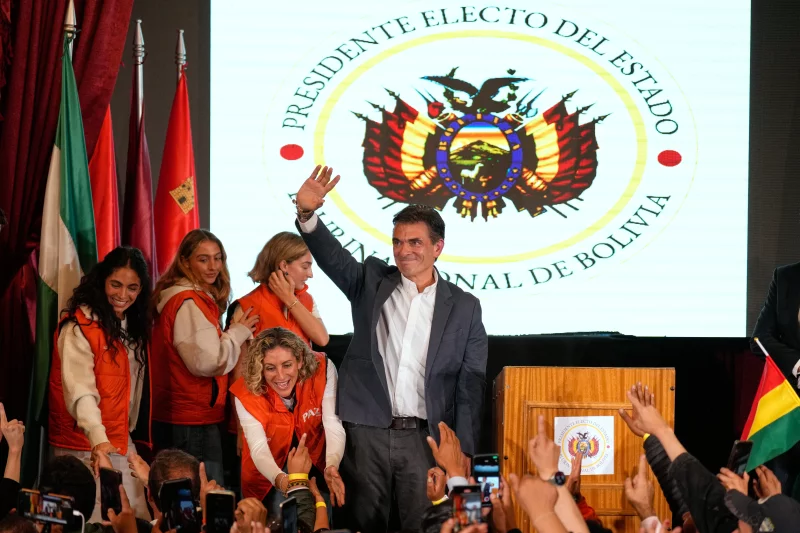
In a landmark development, Rodrigo Paz Pereira, a centrist senator from the Christian Democratic Party (PDC), has won Bolivia’s presidential runoff held on October 19, 2025. Securing 54.5% of the vote, Paz defeated his conservative opponent, former President Jorge “Tuto” Quiroga, who garnered 45.5% This victory marks the end of nearly two decades of leftist rule under the Movement for Socialism (MAS) party.
Political and Economic Context
Paz’s ascent to the presidency signifies a significant political shift in Bolivia. His platform, emphasizing “capitalism for all,” resonates with voters disillusioned by MAS’s state-centric economic policies. Key aspects of his agenda include gradual economic reforms, such as phasing out unsustainable fuel subsidies and introducing a tax amnesty to bolster U.S. dollar reserves in the banking system Additionally, Paz aims to restore diplomatic and economic relations with the United States, which were severed in 2008.
Challenges Ahead
Despite his electoral success, President-elect Paz faces significant challenges. His Christian Democratic Party holds a slim majority in the legislature, necessitating coalition-building to implement his policies effectively. Furthermore, Bolivia’s economy is grappling with high inflation, currency instability, and fuel shortages, which will require immediate and strategic attention

📌 Why This News Is Important
Political Transformation in Bolivia
Rodrigo Paz’s election represents a historic shift in Bolivia’s political landscape. After nearly 20 years of leftist governance under the MAS party, Paz’s victory introduces a centrist administration that promises economic reforms and a more open foreign policy. This change is significant for students preparing for civil services exams, as it reflects the dynamic nature of political systems and the impact of leadership transitions on national policies.
Implications for Economic Policy
Paz’s proposed economic reforms, including the gradual removal of fuel subsidies and efforts to stabilize the currency, are crucial for understanding Bolivia’s economic trajectory. These policies may influence regional economic trends and provide insights into the challenges and strategies of emerging economies. Such developments are pertinent for students focusing on economics and international relations in their examinations.
International Relations and Diplomacy
The anticipated restoration of diplomatic ties with the United States marks a significant shift in Bolivia’s foreign policy. This move could lead to increased foreign investment and cooperation in various sectors, including trade and infrastructure. Understanding these diplomatic changes is essential for students preparing for exams in international relations and foreign policy analysis.
📜 Historical Context
Bolivia’s Political Landscape
Bolivia’s political history has been characterized by a series of shifts between leftist and centrist governments. The MAS party, under leaders like Evo Morales and Luis Arce, dominated the political scene for nearly two decades, implementing policies focused on state control and social welfare programs. However, recent economic challenges, including inflation and fuel shortages, have led to public disillusionment and a demand for change.
Rise of Rodrigo Paz
Rodrigo Paz, son of former President Jaime Paz Zamora, emerged as a prominent political figure in Bolivia. His background in economics and political management, combined with his experience as a senator and mayor, positioned him as a viable alternative to the established political order. His campaign focused on economic reforms and restoring international relations, resonating with voters seeking stability and growth.
✅ Key Takeaways from “Rodrigo Paz Elected New President of Bolivia”
| No. | Key Takeaway |
|---|---|
| 1 | Rodrigo Paz Pereira won Bolivia’s presidential runoff with 54.5% of the vote. |
| 2 | His victory ends nearly two decades of leftist rule by the MAS party. |
| 3 | Paz’s platform includes economic reforms and improved relations with the U.S. |
| 4 | He faces challenges in coalition-building due to a slim legislative majority. |
| 5 | Bolivia’s economy is currently experiencing high inflation and fuel shortages. |
FAQs: Frequently Asked Questions
1. Who is Rodrigo Paz?
Rodrigo Paz Pereira is a Bolivian centrist politician and senator from the Christian Democratic Party (PDC). He was elected as the new President of Bolivia in October 2025.
2. When was Rodrigo Paz elected as Bolivia’s president?
He won the presidential runoff election held on October 19, 2025, securing 54.5% of the votes.
3. Which political party did Rodrigo Paz defeat in the election?
Rodrigo Paz defeated former President Jorge “Tuto” Quiroga, a conservative candidate, marking the end of nearly two decades of MAS (Movement for Socialism) rule.
4. What are Rodrigo Paz’s main policy priorities?
His priorities include gradual economic reforms, phasing out unsustainable fuel subsidies, introducing a tax amnesty, stabilizing Bolivia’s currency, and restoring diplomatic ties with the United States.
5. Why is Rodrigo Paz’s victory historically significant?
It ends almost 20 years of leftist rule by the MAS party, introducing a centrist, pro-market government that aims to revitalize Bolivia’s economy and foreign relations.
6. What challenges will Rodrigo Paz face as President?
He faces the challenge of a slim legislative majority, high inflation, currency instability, and ongoing fuel shortages in Bolivia.
7. How will Rodrigo Paz’s presidency affect international relations?
The restoration of diplomatic and economic ties with the United States could boost foreign investment and trade, strengthening Bolivia’s international relations.
8. What is the MAS party?
The MAS (Movement for Socialism) is a leftist political party in Bolivia that dominated the country’s politics for nearly two decades under leaders like Evo Morales and Luis Arce.
9. Who was the outgoing government leader?
The outgoing government was led by the MAS party under President Luis Arce.
10. How is this news relevant for government exam aspirants?
This election highlights key topics in political science, international relations, and economics, including leadership transitions, political ideologies, and economic policy reforms, which are commonly asked in civil services and other competitive exams.
Some Important Current Affairs Links