









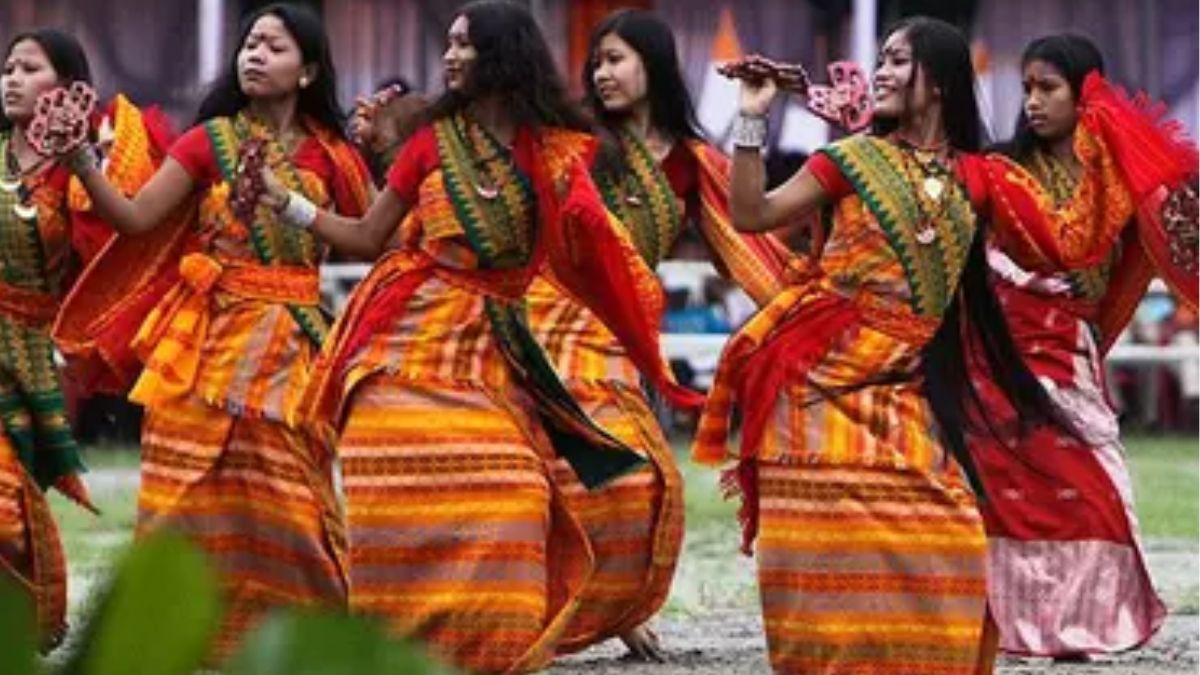
Bathou religion census code granted: The Bodo community in Assam receives national recognition as Bathouism gets a separate census code, strengthening cultural identity and accurate demographic data.
Bathou Religion Receives Separate Census Code in Assam
Introduction: Recognition of Bathou Religion
The Bathou religion, an indigenous faith of the Bodo community in Assam, has been officially granted a separate code in the upcoming national census. This recognition by the Ministry of Home Affairs marks a significant milestone in acknowledging the unique religious identity of the Bodo people.
What Is Bathouism?
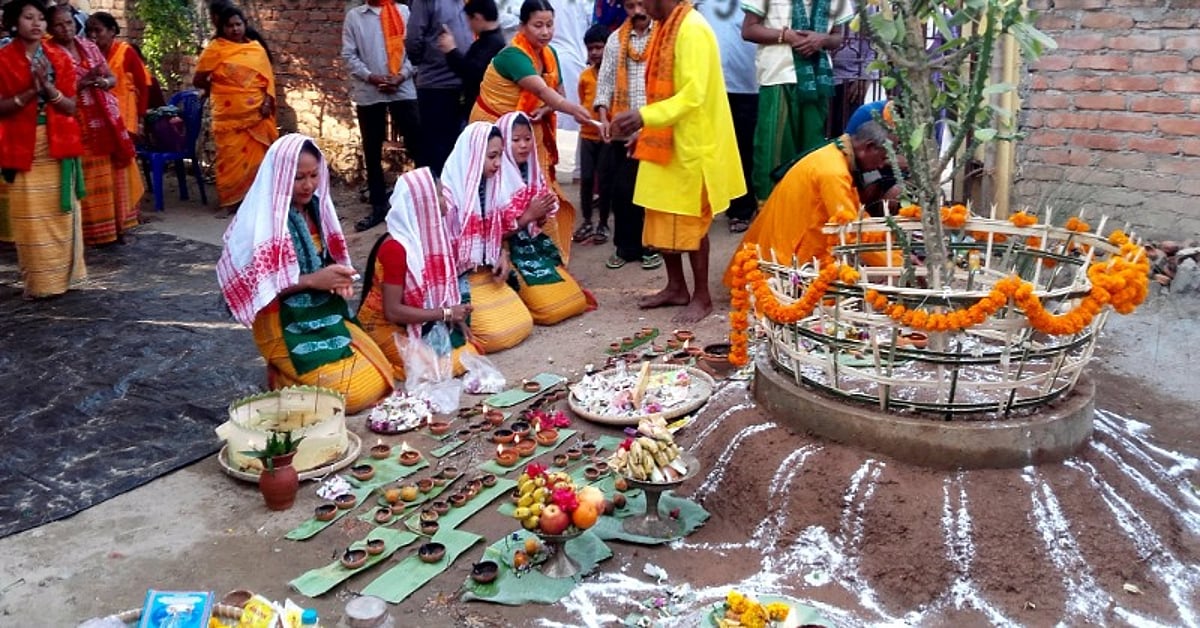
Bathouism is the traditional religion of the Bodo community, one of the largest indigenous groups in Assam. The term ‘Bathou’ is derived from the Bodo language, where ‘Ba’ means ‘five’ and ‘thou’ means ‘deep philosophical thought’. The faith is centered around the worship of five natural elements: Bar (Air), San (Sun), Ha (Earth), Or (Fire), and Okhrang (Sky). The supreme deity is Bwrai Bathou, considered the omnipotent creator of these elements. The Sijou plant (Euphorbia splendens) holds sacred significance and is planted in the Bathou altar, symbolizing the essence of life and the Bathou faith.
Significance of the Separate Code
The allocation of a distinct census code for Bathouism ensures that the religious practices and cultural identity of the Bodo community are accurately represented in national demographic data. This move is expected to facilitate better policy planning and resource allocation for the community. It also acknowledges the community’s efforts in preserving their indigenous faith and traditions.
Reactions from the Bodo Community
The decision has been met with widespread appreciation among the Bodo community. Former Chief of the Bodoland Territorial Council, Pramod Boro, expressed gratitude to Union Home Minister Amit Shah for granting the separate code. He termed it a historic step that provides long-overdue national recognition to the Bathou religion. Leaders from various Bodo organizations and the Bathou Traditional and Research Centre have also lauded the initiative.
📌 Why This News Is Important
Acknowledgment of Indigenous Faith
The formal recognition of Bathouism through a separate census code is a significant step in preserving and promoting indigenous religious practices. It highlights the importance of acknowledging diverse belief systems within the national framework.
Impact on Policy and Planning
Accurate demographic data is crucial for effective policy-making. By recognizing Bathouism as a distinct religion, the government can ensure that the Bodo community receives appropriate attention in terms of cultural preservation, education, and socio-economic development.
Strengthening Cultural Identity
This recognition reinforces the cultural identity of the Bodo people. It empowers the community to take pride in their heritage and encourages the younger generation to connect with their roots.
Setting a Precedent for Other Indigenous Religions
The decision sets a precedent for other indigenous communities seeking recognition of their religious practices. It paves the way for similar initiatives, fostering a more inclusive and diverse national identity.
Enhancing National Integration
By acknowledging the Bathou religion, the government promotes national integration through respect for cultural diversity. Such steps contribute to social harmony and unity in a multicultural society.
🕰️ Historical Context
Origins of Bathouism
Bathouism is an ancient faith practiced by the Bodo community, primarily in Assam and parts of North Bengal. The religion emphasizes the worship of natural elements and the supreme deity Bwrai Bathou. The Sijou plant holds a central place in Bathou rituals, symbolizing life and the connection between the physical and spiritual realms.
Previous Census Data
In past national censuses, followers of Bathouism were categorized under Hinduism, leading to a lack of specific data on the community’s religious practices. This generalization often overlooked the unique cultural and religious aspects of the Bodo people.
Advocacy for Recognition
Over the years, various Bodo organizations and cultural groups have advocated for the recognition of Bathouism as a distinct religion. Their efforts culminated in the recent decision by the Ministry of Home Affairs to grant a separate code for Bathouism in the upcoming census.
✅ Key Takeaways from “Bathou Religion Gets Separate Census Code in Assam”
| S.No | Key Takeaway |
|---|---|
| 1. | Bathouism is the indigenous religion of the Bodo community in Assam. |
| 2. | The term ‘Bathou’ signifies five deep philosophical principles. |
| 3. | The Sijou plant is central to Bathou rituals and symbolizes life. |
| 4. | The Ministry of Home Affairs has granted a separate census code for Bathouism. |
| 5. | The decision acknowledges and preserves the cultural identity of the Bodo people. |
FAQs: Frequently Asked Questions
1. What is Bathouism?
Bathouism is the traditional religion of the Bodo community in Assam, centered around the worship of five natural elements and the supreme deity Bwrai Bathou.
2. Which plant holds sacred significance in Bathou rituals?
The Sijou plant (Euphorbia splendens) is central to Bathouism and is planted in the Bathou altar as a symbol of life.
3. Why has Bathouism received a separate census code?
The Ministry of Home Affairs granted a separate census code to recognize the unique religious identity of the Bodo community and to ensure accurate demographic representation.
4. Who are the Bodo people?
The Bodos are an indigenous community in Assam, known for their rich cultural heritage, language, and traditional practices including Bathouism.
5. How does this recognition impact policy planning?
Having a distinct census code allows the government to better plan cultural, educational, and socio-economic policies for the Bodo community.
6. When did Bodo organizations advocate for Bathou recognition?
Over several decades, Bodo cultural groups and organizations consistently advocated for recognition of Bathouism as a distinct religion, culminating in the current decision.
7. How does this decision influence national integration?
Recognizing Bathouism promotes respect for cultural diversity, strengthens social harmony, and encourages inclusive national identity.
8. What does ‘Bathou’ mean in Bodo language?
‘Bathou’ combines ‘Ba’ (five) and ‘thou’ (deep philosophical thought), referring to the core principles of the faith.
Some Important Current Affairs Links