









Transgender rights committee India sees a historic step as Akkai Padmashali joins Supreme Court-appointed panel to formulate an equal opportunity policy protecting transgender individuals.
Akkai Padmashali Becomes First Transgender Member of SC-Appointed Committee
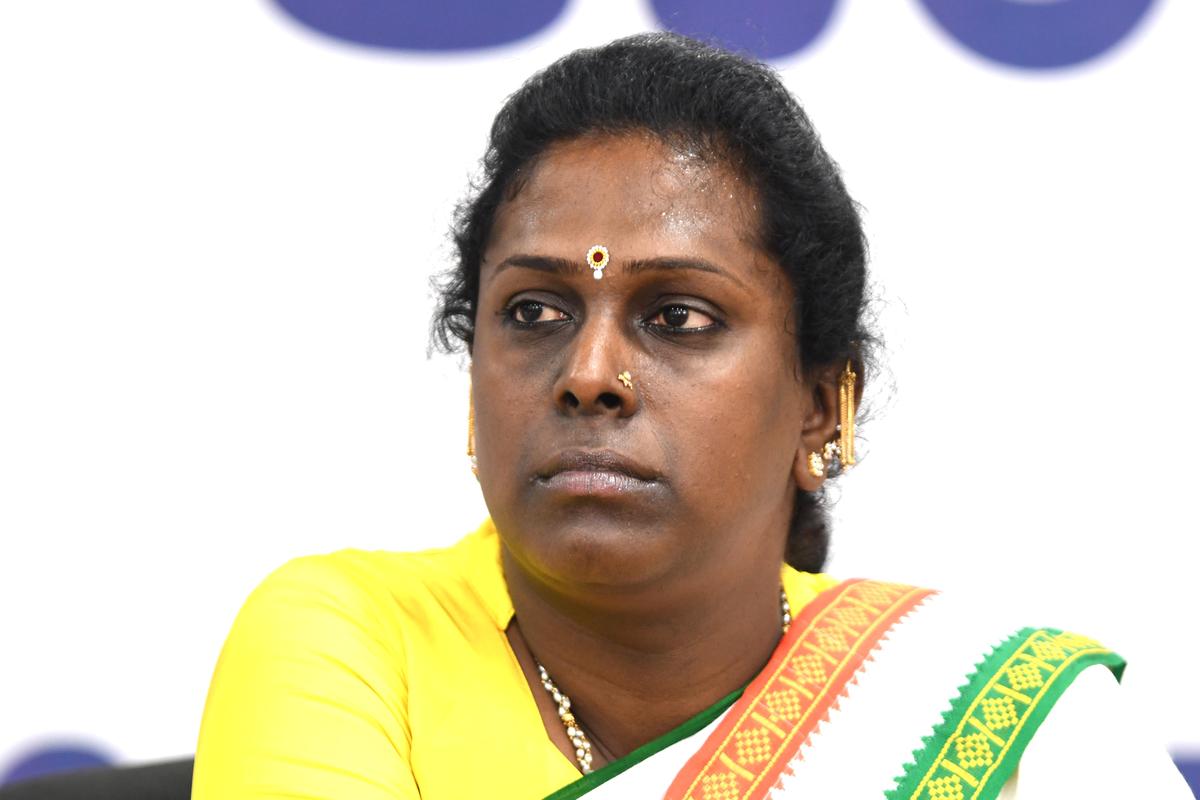
In a historic move, Akkai Padmashali, a prominent transgender rights activist from Karnataka, has been appointed as a member of a Supreme Court-appointed committee tasked with formulating an equal opportunity policy for the protection of transgender rights. This appointment marks a significant milestone in the journey towards inclusivity and representation of the transgender community in India’s policymaking processes. Padmashali’s inclusion in the committee underscores the Supreme Court’s commitment to addressing the concerns and rights of transgender individuals in the country.
Committee’s Mandate and Composition
The committee, chaired by Justice Asha Menon (Retd.), aims to develop a comprehensive equal opportunity policy that ensures the protection and promotion of transgender rights. The panel comprises a diverse group of experts, including transgender rights activists, legal professionals, and academics, reflecting a multi-faceted approach to addressing the challenges faced by the transgender community. Other notable members of the committee include Grace Banu, a Dalit and transgender rights activist, Vyjayanthi Vasanta Mogli, a Telangana-based transgender rights activist, Gaurav Mandal, an Associate Professor at Jindal Global University, and Dr. Sanjay Sharma, a retired Chief Executive Officer of the Association for Transgender Health in India.
Akkai Padmashali’s Contributions and Advocacy
Akkai Padmashali has been a trailblazer in advocating for transgender rights in India. She is the first transgender person in Karnataka to register her marriage and has been instrumental in challenging discriminatory laws and practices. Padmashali’s activism has brought attention to the systemic issues faced by transgender individuals, including social stigma, legal barriers, and lack of access to basic rights. Her appointment to the Supreme Court committee is a testament to her relentless efforts and the recognition of her expertise in the field of transgender rights.
Implications for Policy and Society
The formation of this committee and Padmashali’s inclusion signify a progressive step towards the realization of equal rights for transgender individuals in India. By involving transgender activists directly in the policy-making process, the committee aims to ensure that the voices of the community are heard and their needs addressed. This initiative aligns with the Supreme Court’s previous judgments, such as the 2014 NALSA verdict, which recognized transgender individuals as a third gender and affirmed their fundamental rights. The development of an equal opportunity policy is expected to pave the way for more inclusive laws and practices, fostering a society where transgender individuals can live with dignity and equality.
Why This News is Important
Advancement of Transgender Rights in India
Akkai Padmashali’s appointment to the Supreme Court-appointed committee marks a significant advancement in the recognition and protection of transgender rights in India. It reflects the judiciary’s acknowledgment of the importance of inclusive representation in policymaking.
Direct Involvement of Transgender Activists in Policy Formulation
The inclusion of transgender activists like Padmashali ensures that policies are crafted with a deep understanding of the community’s challenges and needs. This direct involvement is crucial for the development of effective and empathetic policies.
Strengthening Legal Frameworks for Transgender Protection
The committee’s mandate to formulate an equal opportunity policy aligns with the Supreme Court’s previous rulings, reinforcing the legal framework for the protection of transgender rights. This initiative aims to address gaps in the implementation of these laws.
Promoting Social Inclusion and Equality
Padmashali’s appointment symbolizes a commitment to social inclusion and equality. It sends a strong message that transgender individuals are integral members of society, deserving of the same rights and opportunities as others.
Inspiring Future Generations of Activists
Padmashali’s journey from activism to a position of influence serves as an inspiration to future generations of transgender activists. It demonstrates the impact of sustained advocacy and the potential for change through collective efforts.
Historical Context
Early Life and Activism
Akkai Padmashali’s journey began in Bangalore, where she faced societal rejection and discrimination due to her gender identity. Despite these challenges, she emerged as a leading voice for transgender rights in India.
Legal Milestones
Padmashali achieved several legal milestones, including becoming the first transgender person in Karnataka to register her marriage. She has been a vocal advocate against discriminatory laws and has worked towards the inclusion of transgender individuals in various aspects of society.
Recognition and Awards
Her contributions have been recognized through various awards, including the Karnataka Rajyotsava Award, highlighting her impact on the transgender rights movement in India.
Supreme Court’s Role
The Supreme Court of India’s 2014 NALSA verdict was a landmark decision that recognized transgender individuals as a third gender. This judgment laid the foundation for subsequent legal and policy reforms aimed at protecting transgender rights.
Formation of the Committee
In October 2025, the Supreme Court constituted a committee to formulate an equal opportunity policy for transgender individuals, with Padmashali’s appointment serving as a significant step towards inclusive policymaking.
Key Takeaways from “Akkai Padmashali Becomes First Transgender Member of SC-Appointed Committee”
| S.No | Key Takeaway |
|---|---|
| 1 | Akkai Padmashali is the first transgender person from Karnataka to join a Supreme Court-appointed committee. |
| 2 | The committee aims to formulate an equal opportunity policy for the protection of transgender rights. |
| 3 | The committee is chaired by Justice Asha Menon (Retd.) and includes other notable members such as Grace Banu and Vyjayanthi Vasanta Mogli. |
| 4 | Padmashali’s appointment reflects the Supreme Court’s commitment to inclusive representation in policymaking. |
| 5 | The initiative aligns with the Supreme Court’s previous judgments, such as the 2014 NALSA verdict, reinforcing the legal framework for transgender rights. |
FAQs: Frequently Asked Questions
1. Who is Akkai Padmashali?
Akkai Padmashali is a prominent transgender rights activist from Karnataka and the first transgender person from the state to join a Supreme Court-appointed committee on transgender rights.
2. What is the main purpose of the Supreme Court-appointed committee?
The committee aims to formulate a comprehensive equal opportunity policy to protect and promote the rights of transgender individuals in India.
3. Who is the chairperson of the committee?
The committee is chaired by Justice Asha Menon (Retd.), a retired judge of the Supreme Court.
4. Which other activists are part of the committee?
Notable members include Grace Banu, Vyjayanthi Vasanta Mogli, Gaurav Mandal, and Dr. Sanjay Sharma.
5. Why is Akkai Padmashali’s appointment significant?
Her appointment represents a historic milestone for inclusivity and representation of the transgender community in India’s policymaking process.
6. How does this relate to previous Supreme Court rulings?
It aligns with the 2014 NALSA verdict, which recognized transgender individuals as a third gender and affirmed their fundamental rights.
7. What contributions has Akkai Padmashali made to transgender rights?
She was the first transgender person in Karnataka to register her marriage and has been actively advocating against discriminatory laws and practices affecting the community.
8. How will this committee impact society?
It will ensure transgender voices are included in policymaking, strengthen legal protections, and promote social inclusion and equality.
9. When was the committee formed?
The committee was constituted by the Supreme Court in October 2025.
10. What is the long-term goal of this initiative?
To create an inclusive society where transgender individuals can live with dignity, equal opportunities, and legal protection.
Some Important Current Affairs Links