







Teen vaping health risks surge globally as WHO warns of nicotine addiction among adolescents. Learn key facts, regulations, and prevention measures.
WHO Flags Teen Vaping Surge as Global Addiction Risk
Rising Global Concern: 15 Million Teens Vape Worldwide
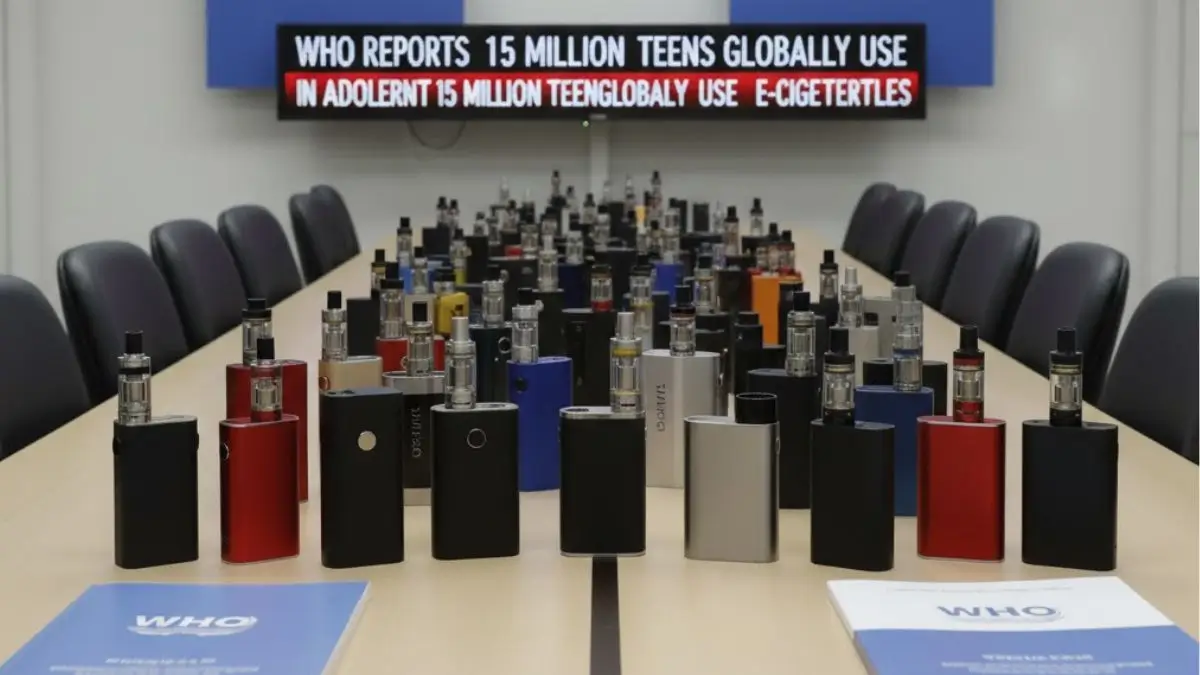
The World Health Organization (WHO) has issued a stark warning regarding the escalating use of e-cigarettes among adolescents. According to recent data, approximately 15 million teenagers aged 13 to 15 are currently using e-cigarettes globally. This alarming trend highlights a significant public health issue, as youth are found to be nine times more likely than adults to engage in vaping. The WHO’s report underscores the urgency of addressing this growing epidemic.
Health Implications: Risks of Nicotine Addiction
The surge in teen vaping poses serious health risks, primarily due to the high nicotine content in many e-cigarette products. Nicotine is a highly addictive substance that can adversely affect adolescent brain development, leading to long-term cognitive and behavioral issues. Additionally, the inhalation of various chemicals present in e-cigarette aerosols can cause respiratory problems and increase the risk of cardiovascular diseases.
Regulatory Measures: WHO’s Call for Action
In response to this growing concern, the WHO has called for stricter regulations on the marketing and sale of e-cigarettes, particularly to minors. The organization advocates for comprehensive tobacco control policies that include banning flavored e-cigarettes, restricting online sales, and implementing age verification systems to prevent underage access. Furthermore, the WHO emphasizes the need for public education campaigns to raise awareness about the dangers of vaping among youth.
Global Trends: Regional Variations in Vaping Rates
While the global trend indicates a rise in teen vaping, the prevalence varies across regions. In some countries, stringent tobacco control measures have led to a decline in e-cigarette use among adolescents. Conversely, in regions with lax regulations, vaping rates among teens continue to climb, exacerbating public health concerns. These disparities highlight the critical role of effective policy implementation in curbing the vaping epidemic.
Educational Initiatives: Empowering Youth with Knowledge
Educational institutions play a pivotal role in combating the teen vaping crisis. Schools and universities are encouraged to integrate anti-vaping programs into their curricula, focusing on the risks associated with e-cigarette use. Additionally, peer-led initiatives and community outreach programs can empower students to make informed decisions and resist the pressures of vaping.

Why This News is Important
Relevance to Public Health
The WHO’s report on teen vaping underscores a significant public health challenge that demands immediate attention. With millions of adolescents at risk of nicotine addiction and its associated health complications, this issue is of paramount importance to global health authorities and policymakers.
Implications for Policy and Regulation
The surge in teen vaping necessitates the formulation and implementation of robust regulatory frameworks. Governments worldwide must consider enacting laws that restrict the sale and marketing of e-cigarettes to minors, ensuring that protective measures are in place to safeguard adolescent health.
Impact on Educational Systems
Educational institutions are on the front lines of addressing the vaping epidemic. By integrating comprehensive anti-vaping education into school programs, educators can equip students with the knowledge and skills to resist the allure of e-cigarettes, thereby fostering a healthier future generation.
Significance for Competitive Exams
Understanding the WHO’s findings on teen vaping is crucial for students preparing for competitive exams, particularly in subjects related to public health, policy-making, and social issues. This knowledge not only enriches general awareness but also enhances analytical skills in evaluating health-related challenges and solutions.
Historical Context
Emergence of E-Cigarettes
E-cigarettes, or electronic nicotine delivery systems, were introduced in the mid-2000s as a purported safer alternative to traditional smoking. Initially, they gained popularity among adults seeking to quit smoking. However, over time, the appeal of flavored e-cigarettes and targeted marketing strategies have attracted a younger demographic, leading to a surge in adolescent use.
Regulatory Responses
In response to the increasing prevalence of teen vaping, several countries have implemented regulatory measures. For instance, the United States Food and Drug Administration (FDA) has taken steps to restrict the sale of flavored e-cigarettes and enforce age verification protocols. Similarly, the WHO has been advocating for global tobacco control policies to address the rising tide of e-cigarette use among youth.
Ongoing Challenges
Despite these efforts, challenges persist in curbing teen vaping. The rapid evolution of e-cigarette products, coupled with the dynamic nature of digital marketing, complicates regulatory enforcement. Additionally, there is a need for continuous public education to dispel myths and inform adolescents about the potential risks associated with vaping.
Key Takeaways from WHO Flags Teen Vaping Surge as Global Addiction Risk
| S.No | Key Takeaway |
|---|---|
| 1 | WHO reports 15 million adolescents aged 13–15 vape worldwide. |
| 2 | Youth are nine times more likely than adults to use e-cigarettes. |
| 3 | Nicotine addiction from vaping can impair adolescent brain development. |
| 4 | WHO advocates for stricter regulations on e-cigarette marketing and sales. |
| 5 | Educational institutions are urged to implement anti-vaping programs. |
FAQs: Frequently Asked Questions
1. What is the global prevalence of teen vaping?
Approximately 15 million adolescents aged 13–15 vape worldwide, according to the WHO.
2. Why are teens more susceptible to vaping addiction?
Youth are nine times more likely than adults to vape, and their developing brains are more prone to nicotine addiction.
3. What are the health risks associated with teen vaping?
Nicotine addiction can impair brain development, while chemicals in e-cigarette aerosols may cause respiratory and cardiovascular problems.
4. What measures has WHO recommended to curb teen vaping?
The WHO recommends stricter regulations, banning flavored e-cigarettes, age verification, restricting online sales, and public awareness campaigns.
5. How can schools help prevent teen vaping?
Schools can integrate anti-vaping education, peer-led initiatives, and community outreach programs to empower students to make informed choices.
6. Are there regional differences in teen vaping rates?
Yes, countries with stricter tobacco regulations report lower vaping rates among adolescents, while regions with lax policies see rising usage.
7. What historical trend led to the rise in teen vaping?
E-cigarettes were initially marketed as safer alternatives for adults, but flavored products and targeted marketing attracted younger users.
8. Why is this news important for competitive exams?
It covers public health, youth behavior, and regulatory policies—frequent topics in exams like UPSC, SSC, and state PSCs.
Some Important Current Affairs Links