







Hilsa export from Bangladesh resumes as the first consignment reaches India through Benapole Land Port ahead of Durga Puja 2025. Learn about cultural significance, export details, and challenges.
First Hilsa Consignment from Bangladesh Reaches India
Introduction: A Festive Tradition Revived
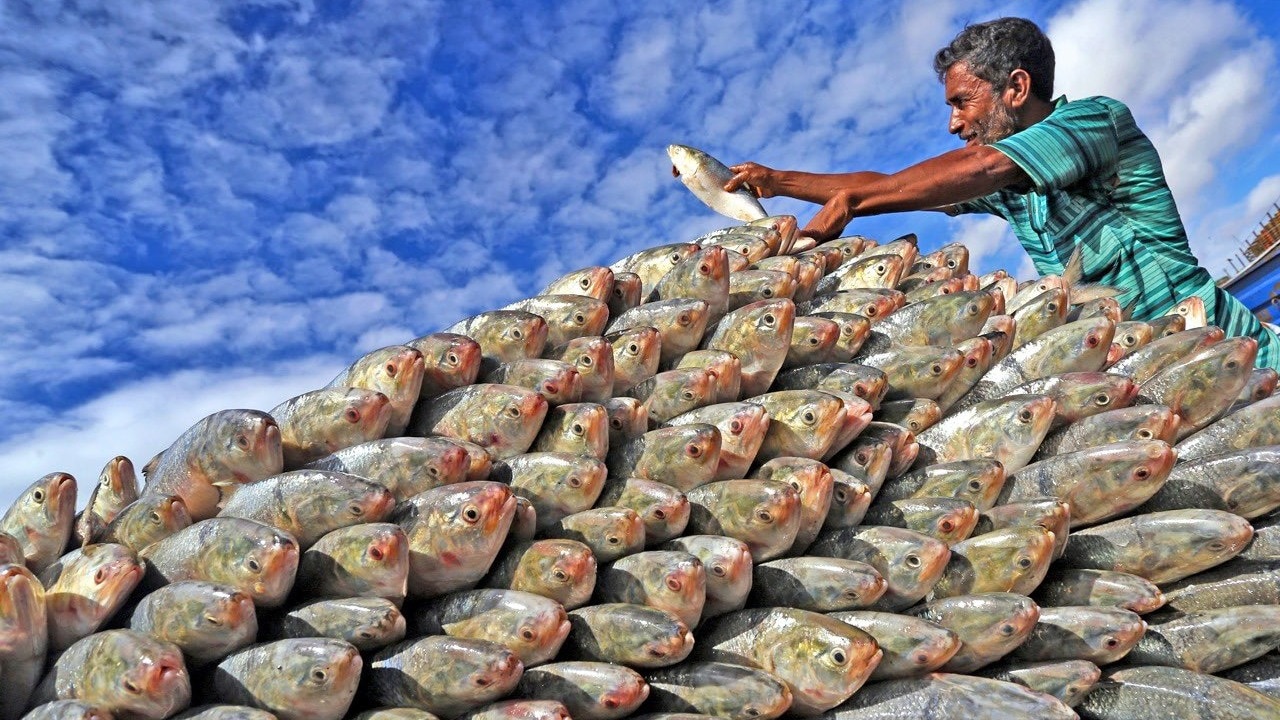
In a significant development ahead of Durga Puja 2025, Bangladesh has resumed its seasonal export of hilsa fish to India, marking the first consignment’s arrival in West Bengal. This marks the beginning of the annual trade that holds cultural and economic importance for both nations.
Details of the Consignment
The initial shipment, comprising 37.5 tonnes of hilsa, crossed into India through the Benapole Land Port. Eight trucks carried the consignment, which is expected to reach Kolkata markets soon. The export is part of a larger quota of 1,200 tonnes approved by the Bangladesh government for the festive season. The shipment window is set between September 16 and October 5, 2025
Challenges in the Export Process
Despite the approval, several challenges hinder the smooth execution of the export plan. The short shipment window and logistical issues at the border, including delays due to holidays, have raised concerns among traders. Additionally, the declining hilsa catch in Bangladesh’s rivers has led to a reduced availability of the fish, affecting the export volume
Economic and Cultural Significance
Hilsa, known as ‘ilish’ in Bengali, is a delicacy cherished by the Bengali community, especially during festivals like Durga Puja. The export not only caters to the culinary preferences of the diaspora but also strengthens the economic ties between India and Bangladesh. The trade supports livelihoods in both countries, from fishermen to retailers.
Conclusion: A Delicate Balance
While the resumption of hilsa exports is a positive development, the challenges faced in the process highlight the need for a more sustainable and efficient approach to ensure the continuity of this important trade. Both governments may need to collaborate closely to address these issues and support the livelihoods dependent on this sector.
Why This News is Important
Cultural Significance
The arrival of hilsa fish from Bangladesh holds immense cultural value, particularly for the Bengali community in India. It is considered an essential part of the Durga Puja celebrations, symbolizing tradition and heritage.
Economic Implications
The export of hilsa contributes significantly to the economies of both Bangladesh and India. It supports various sectors, including fishing, transportation, and retail, providing employment opportunities and boosting local economies.
Diplomatic Relations
The resumption of hilsa exports reflects the diplomatic relations between India and Bangladesh. It demonstrates the ability of both nations to collaborate on trade matters, fostering goodwill and mutual understanding.
Trade Challenges
The challenges faced in the export process, such as logistical issues and declining fish catch, underscore the complexities involved in international trade. Addressing these challenges is crucial for the sustainability of the trade.
Consumer Impact
For consumers, the availability of hilsa fish signifies access to a beloved delicacy. However, the high prices due to limited supply may affect affordability, highlighting the need for balanced trade practices.
Historical Context
Pre-2012 Export Ban
Before 2012, Bangladesh was a major exporter of hilsa fish to India, with significant quantities crossing the border annually. The fish was highly sought after, especially during festivals, due to its unique taste and cultural significance.
2012 Export Ban
In 2012, Bangladesh imposed a ban on hilsa exports to India to conserve the dwindling fish stocks in its rivers. The decision was aimed at ensuring the sustainability of the hilsa population and securing domestic supply.
Special Permits Post-2019
Since 2019, Bangladesh has occasionally granted special export permits for hilsa fish to India, particularly during the Durga Puja festival. These permits are limited in quantity and duration, reflecting the delicate balance between conservation efforts and cultural practices.
2025 Export Quota
In 2025, the Bangladesh government approved the export of 1,200 tonnes of hilsa to India, the lowest quantity since 2019. The approval was granted to 37 companies, with strict conditions on pricing and export timelines
Ongoing Challenges
Despite the export approvals, challenges persist, including declining fish catches and logistical issues at border crossings. These factors continue to impact the volume and efficiency of hilsa exports, necessitating ongoing attention from both governments.
Key Takeaways from ‘First Hilsa Consignment from Bangladesh Reaches India’
| No. | Key Takeaway |
|---|---|
| 1 | Bangladesh has approved the export of 1,200 tonnes of hilsa to India for Durga Puja 2025. |
| 2 | The first consignment of 37.5 tonnes crossed into India through the Benapole Land Port. |
| 3 | The export window is set between September 16 and October 5, 2025. |
| 4 | Challenges include declining hilsa catch and logistical issues at border crossings. |
| 5 | The export supports cultural traditions and economic ties between India and Bangladesh. |
FAQs: Frequently Asked Questions
1. What is hilsa fish, and why is it important in India?
Hilsa, also known as ‘ilish,’ is a culturally significant fish for the Bengali community. It is considered a delicacy, especially during festivals like Durga Puja, and has high economic value due to its demand.
2. When did the first consignment of hilsa from Bangladesh arrive in India in 2025?
The first consignment of 37.5 tonnes arrived in India through the Benapole Land Port ahead of Durga Puja 2025.
3. How many tonnes of hilsa has Bangladesh approved for export to India in 2025?
Bangladesh has approved 1,200 tonnes of hilsa for export to India during the festive season.
4. What are the challenges in exporting hilsa from Bangladesh to India?
Challenges include logistical delays at the border, a limited shipment window, and a declining catch of hilsa in Bangladesh’s rivers.
5. Why was hilsa export from Bangladesh restricted in the past?
In 2012, Bangladesh imposed a ban on hilsa exports to conserve dwindling fish stocks and ensure sustainable supply for domestic consumption.
6. Which Indian state primarily receives hilsa from Bangladesh?
West Bengal is the primary recipient of hilsa consignments from Bangladesh, especially during festivals.
7. How does hilsa export impact the economy?
It supports livelihoods of fishermen, transporters, and retailers, and strengthens economic and trade relations between India and Bangladesh.
8. What is the export window for hilsa in 2025?
The export window is between September 16 and October 5, 2025.
9. How many companies are allowed to export hilsa to India in 2025?
A total of 37 companies have been approved by the Bangladesh government to export hilsa to India.
10. How does hilsa trade relate to India-Bangladesh relations?
The trade reflects strong diplomatic relations and cooperation on cultural and economic exchanges between the two countries.
Some Important Current Affairs Links