






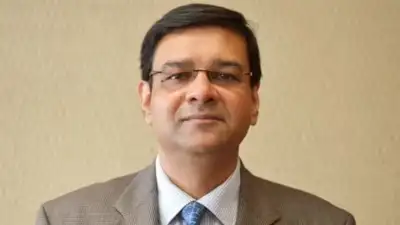
Urjit Patel IMF appointment marks India’s strengthened presence in global economic policymaking. Learn about his role, RBI tenure, and impact on emerging markets.
Urjit Patel Appointed IMF Executive Director for Three-Year Term
In a significant development for India’s representation in global financial institutions, former Reserve Bank of India (RBI) Governor Dr. Urjit Patel has been appointed as the Executive Director at the International Monetary Fund (IMF) for a three-year term. This appointment, announced on August 29, 2025, by the Indian government, underscores India’s commitment to enhancing its influence in international economic policymaking.
Background and Career Overview
Dr. Urjit Patel, born in Nairobi, Kenya, in 1963, has had a distinguished career in economics and public policy. He holds a Ph.D. in Economics from Yale University and has served in various prestigious roles, including as the 24th Governor of the RBI from 2016 to 2018. His tenure at the RBI was marked by significant reforms in India’s monetary policy framework, including the adoption of a flexible inflation targeting system. Dr. Patel’s career also includes stints at the IMF, the Asian Infrastructure Investment Bank (AIIB), and various advisory roles in the private sector.
Role and Significance at the IMF
As India’s Executive Director at the IMF, Dr. Patel will represent the country’s interests in the Fund’s decision-making processes. His extensive experience in economic policy and international finance positions him to play a pivotal role in shaping global economic strategies, particularly concerning emerging markets. This appointment comes at a time when the global economic landscape is facing challenges such as inflationary pressures and financial instability, areas where Dr. Patel’s expertise will be invaluable.
Implications for India and Global Economic Policy
Dr. Patel’s appointment is expected to bolster India’s standing in global economic forums. His deep understanding of both domestic and international economic issues will enable him to advocate effectively for policies that align with India’s interests. Furthermore, his leadership at the IMF is anticipated to contribute to more inclusive and balanced global economic governance, reflecting the growing influence of emerging economies.

Why This News is Important
Enhancing India’s Global Economic Influence
Dr. Urjit Patel’s appointment as India’s Executive Director at the IMF is a strategic move to strengthen the country’s voice in global economic policymaking. His extensive experience in economic governance and international finance equips him to represent India’s interests effectively at the IMF.
Advancing India’s Monetary Policy Agenda
Having been instrumental in shaping India’s inflation-targeting framework during his tenure at the RBI, Dr. Patel’s insights will be crucial in influencing global monetary policy discussions. His appointment reflects India’s commitment to advancing sound economic policies on the international stage.
Promoting Inclusive Global Economic Governance
Dr. Patel’s leadership at the IMF is expected to advocate for policies that promote inclusive growth and address the challenges faced by emerging economies. His appointment signifies a move towards more balanced representation in global economic institutions.
Strengthening Institutional Relationships
Dr. Patel’s previous experience at the IMF and other international organizations positions him to strengthen India’s relationships with key global economic institutions. This is vital for fostering cooperation on global economic issues.
Reflecting India’s Economic Maturity
The appointment underscores India’s growing economic stature and its proactive approach to participating in global economic governance. It highlights the country’s readiness to contribute to shaping the future of the global economy.
Historical Context
Dr. Urjit Patel’s career trajectory reflects a deep engagement with both domestic and international economic policy. His tenure as the 24th Governor of the RBI was marked by significant reforms, including the implementation of a flexible inflation targeting framework. His resignation in December 2018, amidst tensions between the RBI and the government, was a notable event in India’s economic history.
Prior to his role at the RBI, Dr. Patel served at the IMF, contributing to economic policy development in various countries. His diverse experience across different sectors has provided him with a comprehensive understanding of global economic dynamics.
The IMF, established in 1944, plays a crucial role in promoting international monetary cooperation and financial stability. India’s representation at the IMF has evolved over the years, with increasing emphasis on the perspectives of emerging economies.
Key Takeaways from ‘Urjit Patel Appointed IMF Executive Director’
| S.No | Key Takeaway |
|---|---|
| 1 | Dr. Urjit Patel appointed as India’s Executive Director at the IMF for a three-year term. |
| 2 | Appointment approved by the Indian government’s Appointments Committee of the Cabinet. |
| 3 | Dr. Patel served as the 24th Governor of the RBI from 2016 to 2018. |
| 4 | His tenure at the RBI was marked by the adoption of a flexible inflation targeting framework. |
| 5 | Dr. Patel’s appointment strengthens India’s representation in global economic policymaking. |
FAQs: Frequently Asked Questions
1. Who is Urjit Patel?
Dr. Urjit Patel is an Indian economist who served as the 24th Governor of the Reserve Bank of India (RBI) from 2016 to 2018. He has also worked with the International Monetary Fund (IMF) and the Asian Infrastructure Investment Bank (AIIB).
2. What position has Urjit Patel been appointed to at the IMF?
He has been appointed as India’s Executive Director at the International Monetary Fund (IMF) for a three-year term.
3. When was Urjit Patel appointed as IMF Executive Director?
His appointment was officially announced by the Indian government on August 29, 2025.
4. What will be Urjit Patel’s role at the IMF?
As Executive Director, he will represent India’s interests in IMF decision-making, contributing to global economic policy, particularly in areas affecting emerging markets.
5. What is the significance of this appointment for India?
It strengthens India’s representation in international financial institutions, enhances its voice in global economic policymaking, and reflects the country’s growing influence in global finance.
6. What were Urjit Patel’s key contributions as RBI Governor?
He introduced the flexible inflation targeting framework in India, implemented significant monetary policy reforms, and played a role in strengthening India’s financial governance.
7. What is the IMF?
The International Monetary Fund (IMF) is a global organization that promotes international monetary cooperation, ensures financial stability, and provides policy advice and financial support to its member countries.
8. How does this appointment impact emerging economies?
Dr. Patel’s leadership is expected to promote inclusive growth and advocate policies that balance the interests of both developed and emerging economies.
Some Important Current Affairs Links