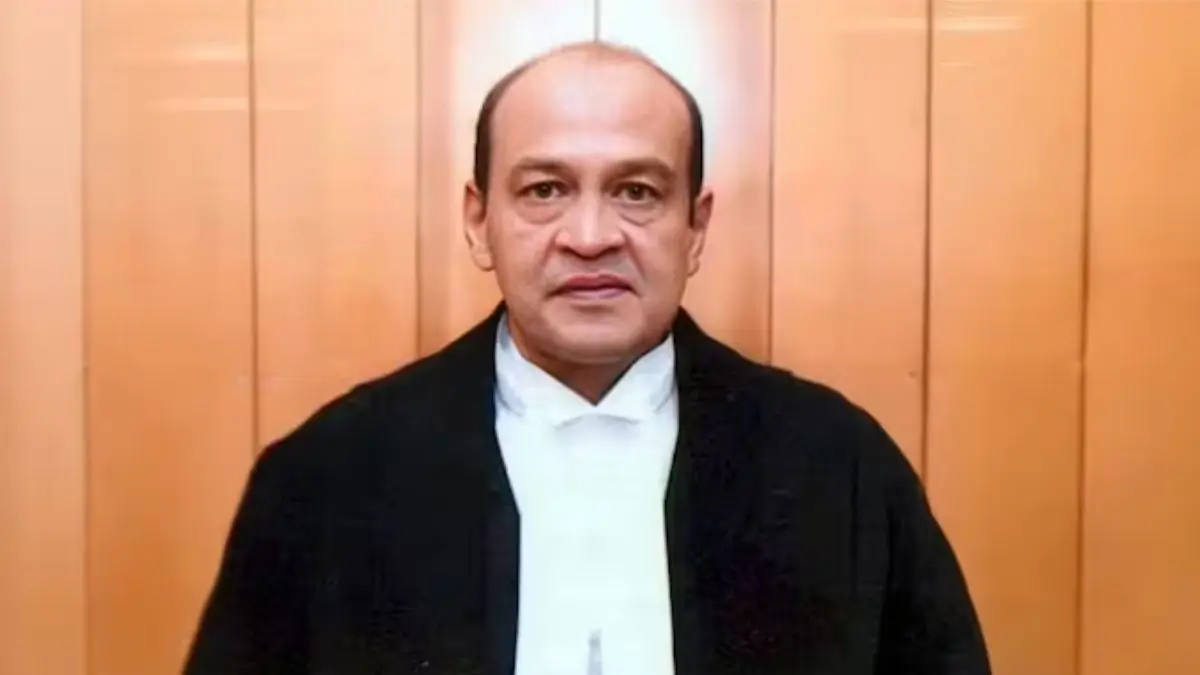








Delhi Police Commissioner 2025 SBK Singh takes charge bringing tech reforms, welfare measures, and spiritual leadership. Important update for civil service, SSC, and police exam aspirants.
Meet the Spiritual Policeman Who Takes Charge as Delhi Police Chief
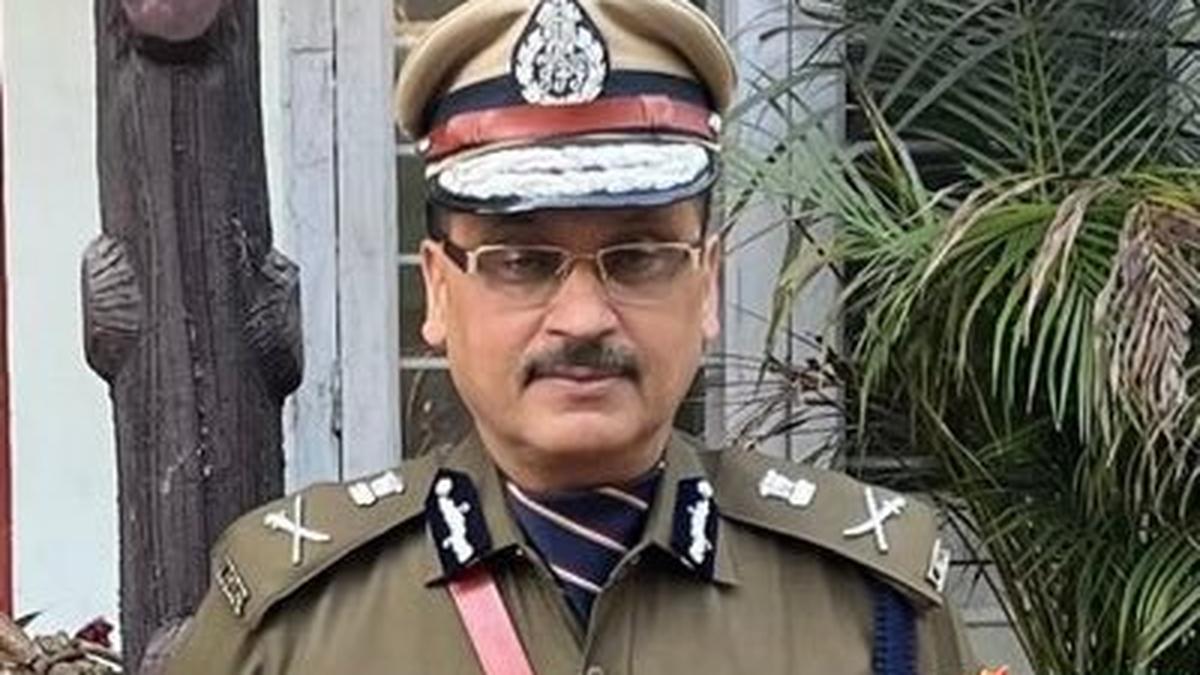
SBK Singh’s Appointment as Delhi Police Chief
Shashi Bhushan Kumar Singh—widely known as SBK Singh—officially assumed office as the 25th Commissioner of Delhi Police on July 31, 2025, following the retirement of Sanjay Arora A 1988‑batch AGMUT (Arunachal Pradesh‑Goa‑Mizoram & UT) cadre IPS officer, Singh marks the return of leadership from within the cadre after two consecutive outsiders
A Career Spanning Decades and Borders
With over 36 years of service, Singh has served in Delhi and the Northeast, and even with R&AW in India and abroad, including a UN peacekeeping mission in Kosovo His varied roles range from ACP (Central District, Delhi) and Superintendent of Police in Arunachal Pradesh (1992) to key leadership roles in Mizoram, where he pioneered digital policing tools, all‑women police stations, and public welfare innovations
High‑Profile Probes & Tech Reforms
Singh has led investigations into major cases including the Uphaar cinema fire tragedy, Ponty Chadha murder, and Hansie Cronje match‑fixing scandal As Special CP (Technology & Project Implementation), he played a central role in launching initiatives like the Safe City Project, the Intelligent Traffic Monitoring System, the Lost Report app, QR‑code guest feedback, and partnerships such as the one with IIT Delhi for a Digital Trucking Radio System
Recognition and Personal Side
Singh’s excellence has been honoured with the President’s Police Medal for Distinguished Service, the Police Medal for Meritorious Service, and a Silver Medal for National e‑Governance Known for his introspective outlook, he authors a blog titled “Spiritual Policeman,” blending law enforcement with philosophical perspectivesHe also led welfare reforms as DG Home Guards, introducing an ₹50 lakh accidental death cover and transparent RFID‑based recruitment testing
Significance for Civil Services and Security
Singh’s appointment comes at a time when Delhi faces evolving security challenges—from technological crime threats to democratic protests. His balanced blend of operational leadership, technological innovation, and welfare orientation positions him as a forward‑thinking leader to steer the capital’s policing during uncertain times.
Why This News Is Important
Relevance to Exam Topics & Government Roles
- For civil services and police exams, leadership appointments like that of Delhi Police Commissioner are frequently asked as current affairs—knowing cadre details, background, and policy orientation matters.
- Technological policing initiatives like Safe City, Lost Report app, RFID recruitment, and traffic monitoring link into topics like e‑governance, smart cities and public service innovation—all commonly tested in banking, railways, and defence exams.
Impact on Law & Order and Public Policy
- A commissioner with technology-driven reforms and welfare measures signals a shift from traditional policing to community‑oriented, transparency‑based governance.
- His NE (Northeast) experience, R&AW posting, and UN mission reflect India’s internal‑security interface with defence, international cooperation and strategic intelligence—valuable for defence and civil service contexts.
Societal and Examination Importance
- Singh’s introspective style and blog “Spiritual Policeman” offer insights into the human aspect of public administration—encouraging aspirants to think beyond administrative mechanics.
- Major exam bodies like UPSC, PSCs, and state-level public services often frame questions around the functioning and reforms in law & order agencies; knowing such appointments helps answer descriptive and static GK sections effectively.
Historical Context
Delhi Police Leadership Pre‑2025
Since 2021, Delhi Police’s leadership had been held by IPS officers from outside the AGMUT cadre—notably Rakesh Asthana (Gujarat cadre) and then Sanjay Arora (Tamil Nadu cadre) SBK Singh’s appointment restores leadership to a home‑cadre AGMUT officer, strengthening institutional continuity and cadre integrity.
Evolution of Modern Policing in Delhi
Over the past decade, Delhi Police adopted digital tools and citizen‑centric platforms—such as mobile apps for reporting (Lost Report), feedback systems, and real‑time traffic management (ITMS). Singh was instrumental in such reforms, blending frontline enforcement with technological adoption, aligning with national trends like Digital India and Smart Cities Mission
Policing Experience Across Regions & Background
Singh’s service in the Northeast, handling challenges in insurgency‑prone zones, and his RAW posting incl. Kosovo mission, bring strategic perspective merging domestic policing and international intelligence—a combination increasingly relevant for PSCS to IAS and defence officer aspirants.
Key Takeaways from “The Spiritual Policeman Becomes Delhi Police Chief”
| S. No. | Key Takeaway |
|---|---|
| 1 | SBK Singh, 1988‑batch AGMUT cadre IPS officer, took charge as 25th Delhi Police Commissioner on 31 July 2025. |
| 2 | Known for high-profile investigations: Uphaar fire, Ponty Chadha murder, Hansie Cronje match‑fixing scandal. |
| 3 | Spearheaded tech-driven reforms: Safe City Project, Lost Report app, ITMS, QR-based feedback systems, and RFID recruitment/testing. |
| 4 | Career includes service in Mizoram and Arunachal Pradesh, RAW involvement, and UN Peacekeeping mission in Kosovo. |
| 5 | Advocate of a reflective policing approach via his blog “Spiritual Policeman”, with a focus on welfare, ethics, and innovation. |
FAQs: Frequently Asked Questions
Q1. Who is the current Commissioner of Delhi Police as of August 2025?
A1. Shashi Bhushan Kumar Singh (SBK Singh), a 1988-batch AGMUT cadre IPS officer.
Q2. What major reforms has SBK Singh introduced in Delhi Police?
A2. Initiatives like Safe City Project, Intelligent Traffic Monitoring System (ITMS), Lost Report app, QR-based feedback system, and RFID-based recruitment tests.
Q3. What high-profile investigations has SBK Singh handled?
A3. He led probes into the Uphaar cinema fire tragedy, Ponty Chadha murder case, and Hansie Cronje match-fixing scandal.
Q4. What makes SBK Singh known as the “Spiritual Policeman”?
A4. He authors a blog titled “Spiritual Policeman” where he reflects on ethics, mindfulness, and law enforcement philosophy.
Q5. What is the significance of his appointment from the AGMUT cadre?
A5. It restores leadership to the home cadre after two non-AGMUT appointments, strengthening cadre continuity.
Q6. Has SBK Singh served internationally?
A6. Yes, he was part of a UN peacekeeping mission in Kosovo and served in India’s external intelligence agency, RAW.
Q7. What welfare reforms has he led?
A7. ₹50 lakh accidental death insurance for Home Guards and tech-enabled, transparent recruitment systems.
Q8. How is this news relevant for UPSC or SSC aspirants?
A8. It highlights administrative reforms, leadership roles, e-governance practices, and internal security—all core exam topics.
Q9. What is ITMS in the context of Delhi Police?
A9. ITMS refers to the Intelligent Traffic Monitoring System, a smart surveillance and enforcement system on Delhi roads.
Q10. Where did SBK Singh complete his education?
A10. He is a graduate of St. Stephen’s College, Delhi University.
Some Important Current Affairs Links