





UNESCO recognition Indian texts: IGNCA hosts a national symposium on the inclusion of Bhagavad Gita and Natyashastra in the UNESCO Memory of the World Register, highlighting India’s cultural heritage preservation.
IGNCA Hosts National Symposium on UNESCO Inclusion of the Gita & Natyashastra
Symposium Overview
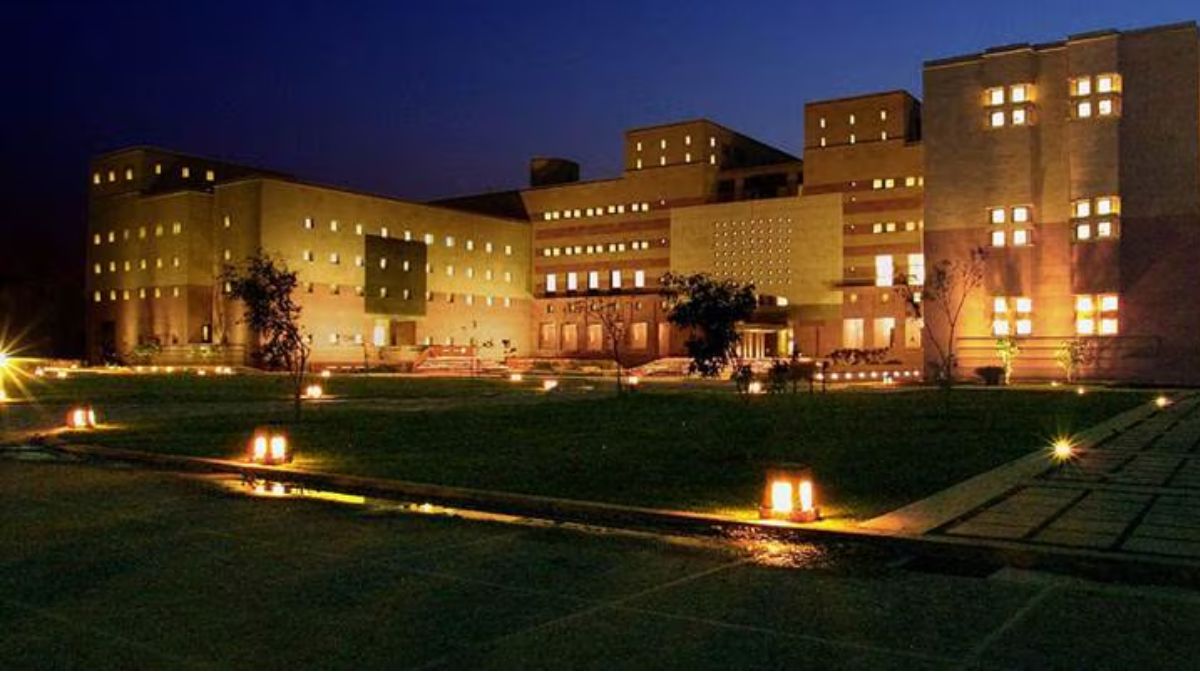
The Indira Gandhi National Centre for the Arts (IGNCA), under the Ministry of Culture, organised a prestigious two‑day national symposium titled “Timeless Texts and Universal Teachings: Inscription of Bhagavad Gita and Natyashastra in the UNESCO Memory of the World International Register” in New Delhi on 30–31 July 2025The main objective was to commemorate and celebrate the formal inclusion of two ancient Indian classics—the Bhagavad Gita and Natyashastra—in UNESCO’s Memory of the World International Register.
Inaugural Ceremony Highlights
On 30 July, the inaugural session commenced at 4 PM at the Ambedkar International Centre, New Delhi. Hon’ble Culture and Tourism Minister Gajendra Singh Shekhawat inaugurated the event, with Padma Bhushan Ram Bahadur Rai, President of the IGNCA Trust, chairing the session. Guests of Honour included Swami Gyananand Ji Maharaj and Padma Vibhushan Dr. Sonal Mansingh, among others. Speeches and addresses were delivered by Dr. Sachchidanand Joshi (Member Secretary, IGNCA) and Prof. (Dr.) Ramesh C. Gaur (Dean-Administration & UNESCO MoW Nodal Centre)
Valedictory Sessions & Scholarly Deliberations
The Symposium concluded on 31 July at 5 PM at the Samvet Auditorium, IGNCA, with Culture Secretary Vivek Agarwal as Chief Guest and Prof. Shrinivasa Varakhedi, VC of Central Sanskrit University, as Guest of Honour. Dr. Joshi and Prof. Gaur chaired and summarised the event. The participants included scholars, cultural critics, and heritage experts discussing four thematic sessions dissecting the texts’ relevance, influence, and preservation efforts
Cultural Significance & Public Engagement
An exhibition showcasing rare manuscripts, archival documents, and the newly launched book “From Manuscript to Memory” enriched the event. A focus was on India’s continuing efforts to preserve and digitise its documentary heritage, with IGNCA playing a pivotal role. A video message by India’s Permanent Representative to UNESCO emphasised the global significance of these texts
Institutional & National Impact
IGNCA’s lead role in dossier preparation alongside Bhandarkar Oriental Research Institute (BORI) was lauded. The symposium also aligned with the Gyan Bharātam Mission, which aims to document, digitise, and promote India’s manuscript legacy. Plans for establishing a National Register of Unique Manuscripts and Documents, with IGNCA as the institutional anchor, were announced

Why This News is Important
For Competitive Exam Aspirants
This recognition by UNESCO is more than ceremonial; it symbolizes global validation of India’s philosophical and aesthetic heritage. Students preparing for UPSC, state PSC, banking or police exams should note that this demonstrates the government’s policy emphasis on cultural preservation and soft power diplomacy.
Government Policy & Cultural Diplomacy
The symposium underscores institutional mandates (IGNCA, Ministry of Culture) and strategic national programs like Gyan Bharātam Mission. Aspirants should link such moves to questions on cultural policy, UNESCO collaborations, and heritage management tactics.
Syllabus Relevance
Related topics often appear under Indian Culture, Heritage Preservation, and International Organisations in exams. Knowing the dates, institutional roles, and text significance provides a ready answer for descriptive or direct questions.
Historical Context
Origins and Legacy of the Texts
- The Bhagavad Gita, part of the Mahabharata, is over 5,000 years old and encapsulates ethics, duty (dharma), and yoga.
- The Natyashastra, attributed to sage Bharata over 2,500 years ago, is the foundational treatise on Indian classical performing arts—dance, theatre, music.
UNESCO’s Memory of the World
Launched in 1992, UNESCO’s Memory of the World Register preserves manuscripts and documents of global value. The inclusion of the Gita and Natyashastra places India among custodians of humanity’s documentary heritage.
India’s Manuscript Conservation Efforts
India possesses over one crore manuscripts, many ancient. Initiatives like National Manuscript Mission and digitisation efforts aim to build sustainability, accessibility, and scholarly sharing of these works.
Key Takeaways from This News
| S. No | Key Takeaway |
|---|---|
| 1 | UNESCO included Bhagavad Gita and Natyashastra in its Memory of the World International Register on 30–31 July 2025. |
| 2 | The national symposium titled “Timeless Texts and Universal Teachings” was hosted by IGNCA in New Delhi. |
| 3 | Key dignitaries included Culture Minister Gajendra Singh Shekhawat, Secretary Vivek Agarwal, and cultural luminaries like Swami Gyananand and Sonal Mansingh. |
| 4 | IGNCA and Bhandarkar Oriental Research Institute prepared the nomination dossiers in-house. |
| 5 | The event aligns with India’s Gyan Bharātam Mission and plans for a National Register of Manuscript Heritage under IGNCA’s anchor role. |
Frequently Asked Questions (FAQs)
1. What is the UNESCO Memory of the World Register?
The UNESCO Memory of the World (MoW) Register is an international initiative launched in 1992 to preserve and promote valuable documentary heritage across the globe. It ensures the safeguarding and accessibility of historical manuscripts, documents, and records.
2. Why were the Bhagavad Gita and Natyashastra included in the MoW Register?
These texts are considered timeless treasures of Indian knowledge systems. The Bhagavad Gita offers deep insights into dharma and ethics, while Natyashastra forms the foundation of Indian classical performing arts. Their global philosophical and aesthetic value earned them this inclusion.
3. Which institutions played a major role in this recognition?
The Indira Gandhi National Centre for the Arts (IGNCA) and Bhandarkar Oriental Research Institute (BORI) jointly prepared the nomination dossiers submitted to UNESCO.
4. What was the theme of the symposium hosted by IGNCA?
The theme of the two-day national symposium was “Timeless Texts and Universal Teachings”, focusing on the significance of Bhagavad Gita and Natyashastra in cultural heritage.
5. What is the Gyan Bharātam Mission?
It is a national initiative to digitise, document, and disseminate India’s ancient manuscript and documentary heritage. IGNCA is playing a key role in developing the National Register of Unique Manuscripts and Documents under this mission.
Some Important Current Affairs Links