


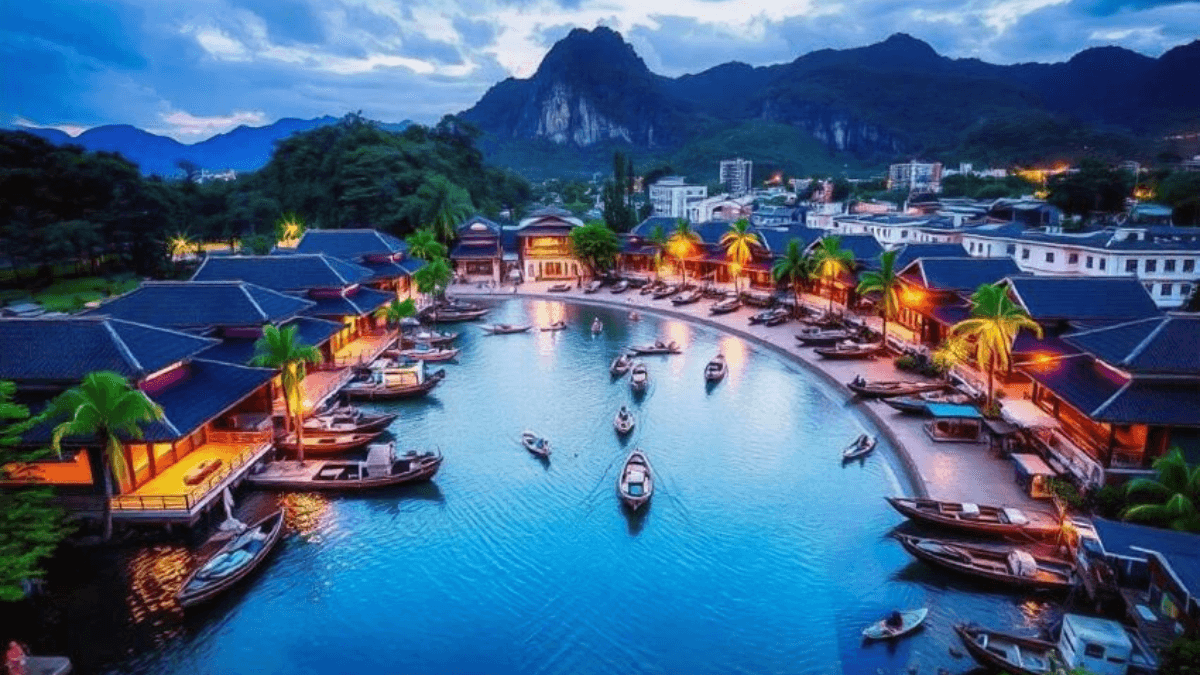
South Korea vs Thailand: Cultural Diplomacy Meets Tropical Paradise explores how cultural diplomacy and soft power are shaping global influence, offering insights crucial for UPSC, SSC, and other government exams.
“South Korea vs Thailand: Pop Culture Meets Tropical Paradise”
1. Phenomenon Overview: The South Korea–Thailand Cultural Exchange
Over the past few years, South Korean pop culture—through K‑pop, K‑dramas, and films—has become a global powerhouse. Simultaneously, Thailand has ramped up its appeal as a tropical hub with rich cultural heritage, vibrant tourism, and a booming entertainment industry. This article explores how these two nations, blending culture and nature, present unique opportunities and learning areas for UPSC, SSC, banking, railways, defence, and teacher‐recruitment aspirants.
2. South Korea’s Hallyu: A Soft Power Revolution
Termed the Korean Wave or hallyu, South Korea’s entertainment exports—from BTS and Blackpink to Parasite and Squid Game—have reshaped global perceptions. Its government strategically supported this push after the 1997 Asian financial crisis, liberalizing media and incentivizing pop culture exports The result: a dramatic surge in tourism, cosmetic purchases, and fashion revenues.
3. Thailand: Tropical Paradise & Cultural Magnet
Thailand has long attracted global visitors with its beaches, historic temples, and bustling street food scene. It continues to invest in cultural infrastructure, eco‑tourism, and wellness tourism. While not covered extensively in the article, it’s essential to note Thailand’s ongoing promotion of sustainable travel, Buddhist heritage, and culinary tourism as exam-ready examples in the economy and environment sectors.
4. Comparative Soft Power Strategy
Both countries wield soft power—but in different arenas. South Korea uses media and entertainment globally, while Thailand draws on its natural beauty and heritage. Government policies reinforce these strengths: Korea’s “Cultural Diplomacy” and Thailand’s Investments in sustainable tourism and ASEAN cooperation.
5. Implications for Indian Aspirants
- Economy & Trade: Both nations are models of non‑traditional economic growth—driven by intangibles like cultural exports and tourism.
- Foreign Policy & Diplomacy: Their soft power informs India’s Act East policy and cultural diplomacy in ASEAN.
- Society & Culture: The societal impact of hallyu in India shows how global culture influences local youth, language learning, and consumer habits.
- Tourism & Environment: Thailand’s eco-tourism offers lessons on balancing development with heritage conservation.

❓ Why This News Is Important
Cultural Diplomacy and Strategic Soft Power
South Korea and Thailand demonstrate how cultural assets—media, tourism, heritage—can be leveraged to improve diplomatic relations, foreign direct investment, and national branding. Aspirants in UPSC, PSC, and diplomacy roles must understand how soft power shapes international alliances and statecraft.
Economic Diversification and Growth
The shift from traditional manufacturing to service-led growth (K‑pop revenues, Thai tourism) reflects evolving economic models. For banking and railway exams, these trends highlight new areas of investment, infrastructure development, and foreign exchange earnings.
Policy and Sustainable Development
Thailand’s emphasis on eco-tourism and South Korea’s cultural subsidies speak to pressing policy goals: sustainable growth and creative industries. Defence and civil‑service aspirants can use these examples to recommend policies balancing economic, cultural, and environmental objectives.
📜 Historical Context
Korean Wave Origins:
Post-1997 financial crisis South Korea relaxed media controls, allowing K‑dramas and K‑pop to flourish. By the late‑2000s, government-supported cultural exports became major instruments of soft power
Thailand’s Tourism Evolution:
Since the 1960s, Thailand attracted visitors with its royal-sponsored “Amazing Thailand” campaign. Over decades, it positioned itself as a global tourist destination. In recent years, attention has shifted towards cultural preservation and environmental sustainability in tourism practices.
📌 Key Takeaways from “South Korea vs Thailand: Pop Culture Meets Tropical Paradise”
| S. No. | Key Takeaway |
|---|---|
| 1 | South Korea’s “Korean Wave” (hallyu) is a global cultural phenomenon supported by government policies post-1997 crisis, boosting pop culture exports |
| 2 | Thailand leverages its tropical environment, heritage, and cuisine to attract tourism, with growing focus on eco- and cultural tourism. |
| 3 | Both nations illustrate how soft power fosters diplomacy, economic growth, and national branding—vital for exam-level policy analysis. |
| 4 | In India, hallyu has influenced cultural consumption, youth aspirations, and media habits, relevant for sociology and cultural studies. |
| 5 | India’s Act East Policy can draw insights from South Korea and Thailand for partnering in culture, tourism, and creative industries. |
FAQs: Frequently Asked Questions
1. What is the Korean Wave or Hallyu?
The Korean Wave, or Hallyu, refers to the global popularity of South Korean culture, including music, TV dramas, films, fashion, and cuisine, largely driven by government promotion and industry efforts.
2. How has South Korea used soft power effectively?
South Korea has promoted its culture globally through K-pop, K-dramas, and cinema, backed by government policies that treat cultural exports as strategic economic and diplomatic assets.
3. Why is Thailand considered a key example of sustainable tourism?
Thailand has promoted eco-tourism and cultural tourism to balance economic growth with environmental preservation, aligning with global sustainability goals.
4. How is this relevant to Indian government exam preparation?
Topics like soft power, sustainable tourism, and cultural diplomacy directly relate to UPSC GS papers, international relations, and current affairs sections of exams like SSC, PSC, and defence services.
5. What are some common exam themes reflected in this news?
Relevant themes include soft power, cultural diplomacy, service-led economic growth, sustainable development, India-ASEAN relations, and tourism policy.
6. What lessons can India learn from South Korea’s Hallyu model?
India can explore structured promotion of its own culture through cinema, music, and digital media by institutional support, similar to South Korea’s approach.
7. What is the role of pop culture in global diplomacy?
Pop culture acts as a non-traditional diplomatic tool that builds influence and enhances bilateral ties through shared media experiences and cultural connections.
8. How do South Korea and Thailand contribute to India’s Act East Policy?
Both nations are part of ASEAN and serve as strategic partners for India in expanding cultural, economic, and political engagement in Southeast Asia.
9. Which industries benefit the most from soft power?
Entertainment, tourism, education, and consumer goods sectors experience significant gains from strong national soft power strategies.
10. How does this topic relate to questions in competitive exams?
Questions on international affairs, economic models, and environmental policies often cite real-world case studies like South Korea’s Hallyu and Thailand’s tourism efforts.
Some Important Current Affairs Links