









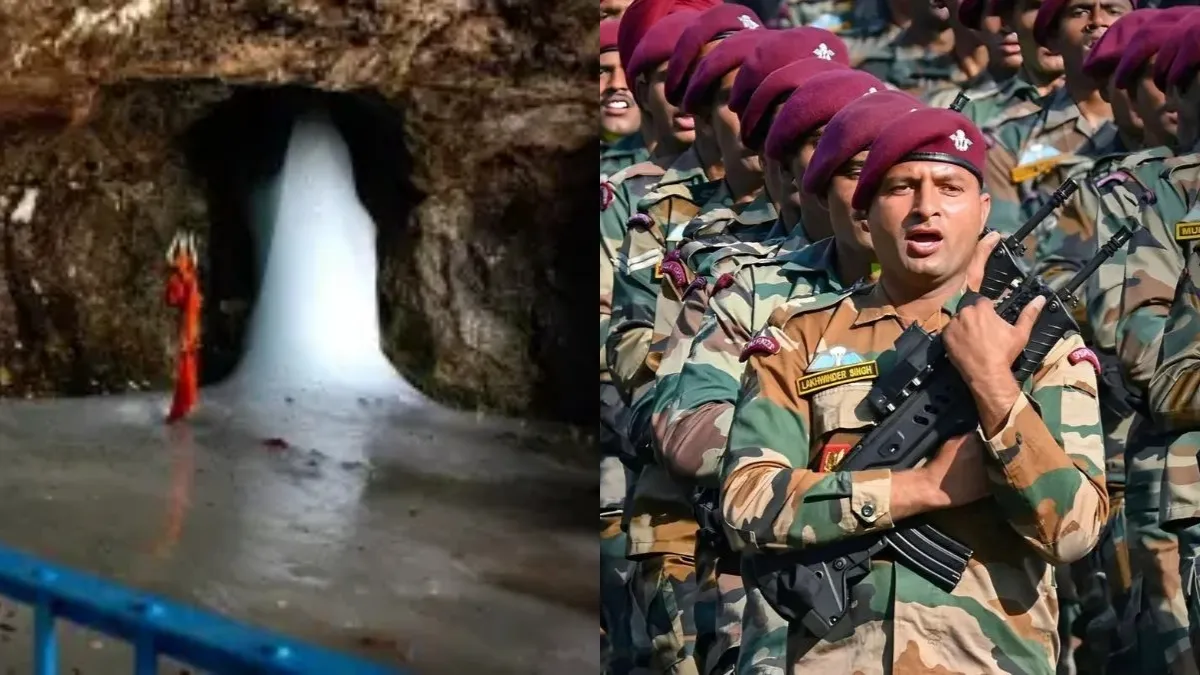
Indian Army Operation SHIVA 2025 launched to secure Amarnath Yatra with 8,500 troops, drone defense, medical aid, and real-time tracking, enhancing safety and disaster response.
Indian Army Launches Operation SHIVA 2025 for Amarnath Yatra Security
Robust Multi-tier Security Architecture
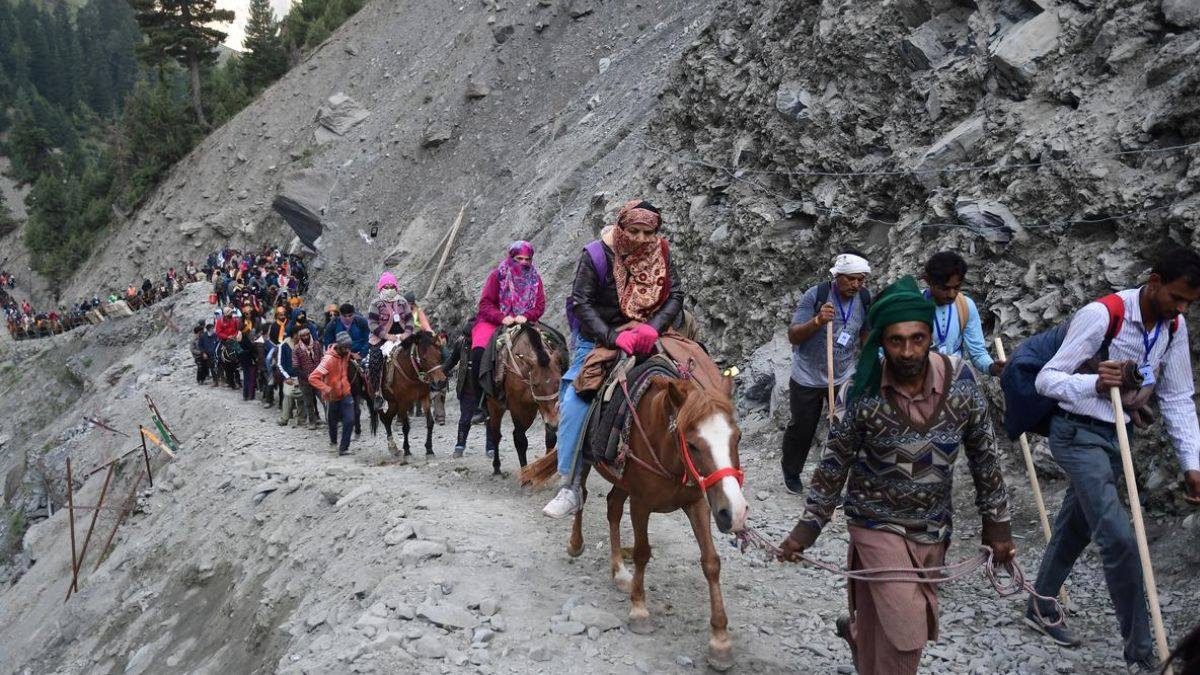
To safeguard the annual Amarnath Yatra (July 3 – August 9), the Indian Army has launched Operation SHIVA 2025, deploying approximately 8,500 troops in coordination with the civil administration and CAPFsThe operation features a layered counter-terror grid, prophylactic security deployment, and corridor protection across both Nunwan–Pahalgam (48 km) and Baltal (14 km steeper) routes
Cutting‑Edge Aerial Threat Monitoring
To counter diverse airborne threats, a dedicated counter‑UAS grid equipped with over 50 systems, alongside electronic‑warfare gear, has been deployedRegular UAV patrols, high-res PTZ cameras, and live drone feeds provide real-time monitoring of pilgrimage convoys, enabling swift threat detection
Infrastructure & Disaster Mitigation
Engineer task forces are actively engaged in bridge construction, track widening, and disaster-mitigation operations. Heavy equipment—bulldozers, excavators—and emergency rations for 25,000 people complement Quick Reaction Teams (QRTs), tent shelters, water points, and plant logistics
Medical Emergency Preparedness
Comprehensive medical readiness includes 150+ doctors, two advanced dressing stations, nine medical-aid posts, a 100-bed hospital, and 26 oxygen booths stocked with 200,000 L of oxygen Army helicopters stand ready for rapid medical evacuation and emergency response
Seamless Communication & Technical Support
Signal companies ensure uninterrupted voice and data networks, while EME detachments provide technical backup. Bomb‑detection and disposal squads maintain a high alert against explosive threats
Multi‑agency Coordination & Pilgrim Tracking
Real-time convoy tracking between Jammu and the cave shrine ensures situational awareness, supported by high-res cameras and drone surveillance. Coordination between army, CAPFs, and civil authorities enables prompt, unified emergency responses
Pilgrim Response & Participation
So far, over 1.40 lakh pilgrims have visited the shrine, with more than four lakh registrations received. Last year, over 5.10 lakh devotees performed the Yatra
📌 Why This News Is Important
Strengthening National Security
Operation SHIVA exemplifies India’s strategic focus on internal security and the critical role of the armed forces in securing high-risk mass gatherings. It also highlights the military’s adaptability in managing complex environments involving terrorist threats, drone warfare, and rugged terrain.
Relevance for Competitive Exams
For aspirants preparing for exams like PSCs, banking, railways, defence, and civil services, understanding this operation is crucial for sections on internal security, military strategy, and counter-terrorism. It serves as a case study in the integration of technology and civil-military cooperation.
Civil-Military Collaboration & Disaster Management
The operation demonstrates successful civil-military collaboration, incorporating disaster relief, medical services, infrastructure development, and logistics. These are common themes in current affairs and public administration exams.
Geo-political Significance
Launched in the aftermath of Operation Sindoor, which targeted Pakistan-based militants, Operation SHIVA showcases India’s proactive defense posture in Jammu & Kashmir, addressing the ongoing India–Pakistan proxy conflict—a key element of current affairs.
📜 Historical Context: Safeguarding a Sacred Legacy
The Amarnath Yatra has historically been threatened by militant attacks, most notably:
- The 2000 massacre, in which 89–105 pilgrims were killed in coordinated attacks by Lashkar-e-Taiba in Anantnag and Doda
- The 2001 bombing at Sheshnag Lake: 13 pilgrims killed, including women and security personnel
- The 2002 twin attacks, resulting in 11 pilgrim deaths at Pahalgam base camp
- The 2017 attack on a pilgrim bus, killing 8 and injuring 19, perpetrated by Lashkar-e-Taiba
These tragic events underscored the urgent need for enhanced security mechanisms, strategic deployment, technology-backed surveillance, and coordinated emergency response, leading to contemporary initiatives like Operation SHIVA.
📋 Key Takeaways from “Operation SHIVA 2025 for Amarnath Yatra Security”
| No. | Key Takeaway |
|---|---|
| 1 | Troops Deployed: ~8,500 Army personnel mobilized for Yatra security. |
| 2 | Aerial Security Systems: Over 50 counter-UAS and EW systems deployed. |
| 3 | Medical & Relief Infrastructure: 150+ medical staff, hospitals, oxygen booths. |
| 4 | Infrastructure Support: Engineer units for bridges, track widening, disaster relief. |
| 5 | Real-time Tracking: Convoys monitored via PTZ cameras and UAVs for swift response. |
Frequently Asked Questions (FAQs)
Q1. What is Operation SHIVA 2025?
Operation SHIVA 2025 is a large-scale security and logistical operation launched by the Indian Army to ensure the safe conduct of the annual Amarnath Yatra. It involves the deployment of 8,500 troops and multiple surveillance and disaster relief measures.
Q2. Why is such a massive operation needed for the Amarnath Yatra?
The Amarnath Yatra has historically been a target of terrorist attacks. The terrain, weather conditions, and threat perceptions make it necessary to involve a comprehensive, multi-agency security operation.
Q3. Which technologies are being used for surveillance under Operation SHIVA 2025?
The operation uses more than 50 anti-drone (counter-UAS) systems, UAVs (drones), high-resolution PTZ cameras, live drone feeds, and electronic warfare systems for surveillance and threat detection.
Q4. How is the Indian Army addressing medical emergencies during the yatra?
The army has deployed 150+ doctors, 26 oxygen booths with 2 lakh liters of oxygen, a 100-bed hospital, and nine medical aid posts. Helicopters are on standby for evacuation.
Q5. What is the significance of this operation in exam preparation?
This topic is relevant for questions related to internal security, disaster management, defense technology, civil-military cooperation, and current affairs in exams like UPSC, SSC, CDS, CAPF, and State PSCs.
Some Important Current Affairs Links