










UNESCO Danger List 2025 Update: UNESCO removes 3 African heritage sites from the World Heritage in Danger List during its 47th session in Paris. Learn about the sites, reasons, and conservation measures for your exam prep.
UNESCO Removes Three African Sites from the Danger List
Overview of the Decision
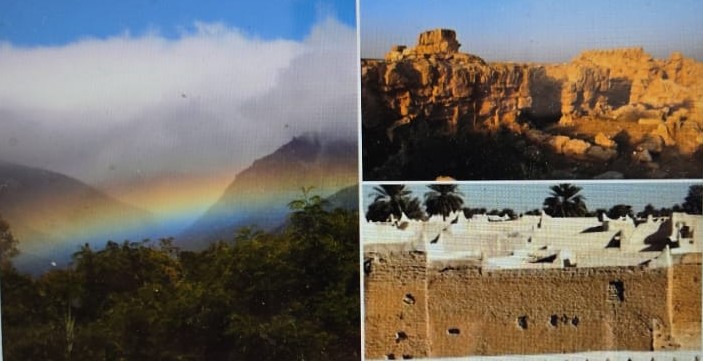
On July 9, 2025, during its 47th session held in Paris, the UNESCO World Heritage Committee officially declared the removal of three African heritage sites from its prestigious World Heritage in Danger List—Rainforests of the Atsinanana (Madagascar), Abu Mena (Egypt), and the Old Town of Ghadames (Libya). This milestone decision reflects the successful implementation of conservation measures and robust international collaboration
Rainforests of the Atsinanana (Madagascar)
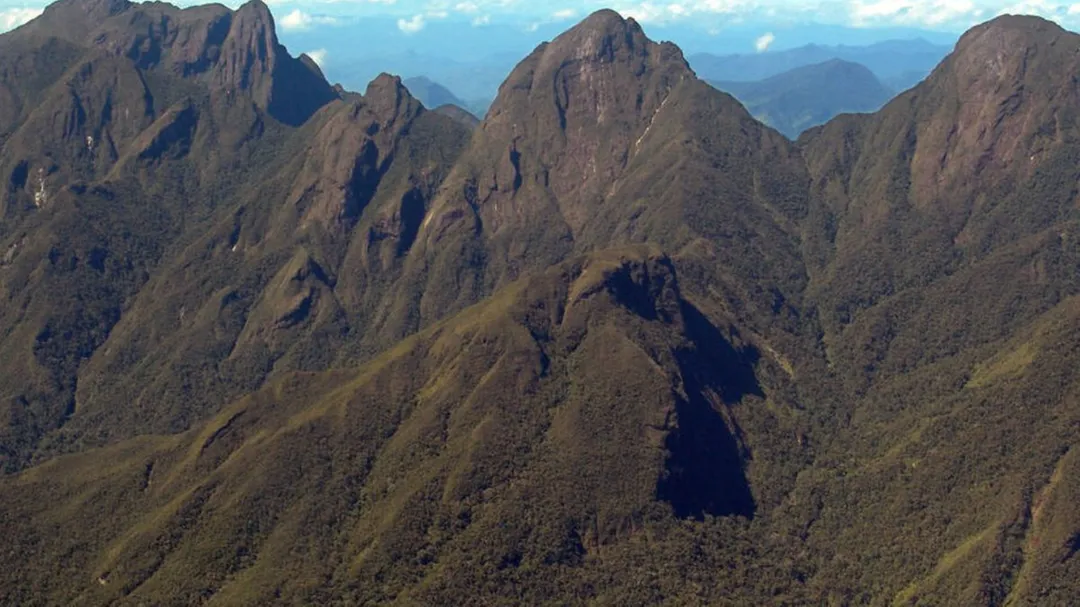
Inscribed in 2007 for its exceptional biodiversity, the site suffered from illegal logging, deforestation, and wildlife trafficking—particularly threatening its iconic lemur population. The site was placed on the Danger List in 2010. However, enhanced anti‑trafficking efforts, strengthened forest protection initiatives, and community-based conservation projects have now restored ecological balance, prompting its removal from the Danger List
Abu Mena (Egypt)
Established in 1979, Abu Mena is a historic Christian pilgrimage complex. The site was listed as endangered in 2001 due to rising water tables, largely caused by nearby agricultural irrigation, which led to structural erosion. Thanks to effective groundwater control, reinforced monument foundations, and dedicated restoration, Abu Mena has regained stability and has been delisted in 2025
Old Town of Ghadames (Libya)
A UNESCO World Heritage site since 1986, Ghadames faced severe degradation from conflict, wildfires, and flooding. Following its designation as endangered in 2016, collaborative restoration efforts involving local authorities and UNESCO have helped rehabilitate the site’s mud-brick architecture and urban layout, culminating in its removal from the Danger List this year
Significance of the Removals
UNESCO Director‑General Audrey Azoulay emphasized that the delisting underlines the positive impact of capacity building, technical expertise, and international support in safeguarding cultural and natural heritage. UNESCO’s focused efforts in Africa, including expert training and increased funding, have facilitated the removal of not only these three sites but also others in the Democratic Republic of Congo, Uganda, and Senegal in recent years
Why This News Is Important
Reaffirming UNESCO’s Commitment to Heritage Preservation
UNESCO’s recent action underscores its mission to protect humanity’s collective legacy. Removing sites from the Danger List highlights long-term, tangible successes achieved through global cooperation and persistent conservation efforts across diverse regions.
Encouraging Best Practices in Conservation
This development sets a benchmark for environmental and cultural protection by showcasing how integrated strategies—ranging from community engagement to scientific restoration—can neutralize threats such as deforestation, hydrological challenges, and war damage.
Implications for Aspirants
For exam aspirants (UPSC, SSC, Railways, Banks, Defence, Police, Teaching), this news aligns with key syllabus areas: International organisations (UNESCO functions), Heritage & conservation, Geography and environment, and Global cooperation. Awareness of success stories adds practical evidence of policy frameworks and multilateral initiatives to revising such topics.
Historical Context: Heritage in Danger
UNESCO’s World Heritage and Danger List
Established in 1972, the UNESCO World Heritage Convention aims to preserve sites of outstanding universal value. The List of World Heritage in Danger, conceived in 1992, identifies sites facing imminent threats—be they environmental, anthropogenic, or conflict‑related
Past Delisting Precedents
African sites previously delisted include Djoudj National Bird Sanctuary (Senegal) and Niokolo-Koba National Park post-dam threats, as well as sites in DRC, Uganda, and Senegal after 2021. Globally, only three sites (Arabian Oryx Sanctuary, Dresden Elbe Valley, Liverpool Maritime Mercantile City) have been fully removed—largely due to irreparable changes—not conservation success
African Heritage Challenges
From deforestation and illicit wildlife trade to civil strife and water-table changes, African world heritage has faced multiple challenges. UNESCO’s targeted regional initiatives since the mid-2010s prioritized expert training, policy enforcement, and infrastructural support, culminating in landmark recoveries such as the ones announced in July 2025 .
Key Takeaways from “UNESCO Removes 3 African Sites from Danger List”
| # | Key Takeaway |
|---|---|
| 1 | Delisted Date: The sites were removed on July 9, 2025, at UNESCO’s 47th World Heritage Committee session in Paris. |
| 2 | Sites Involved: Rainforests of the Atsinanana (Madagascar), Abu Mena (Egypt), Old Town of Ghadames (Libya). |
| 3 | Reasons for Danger Status: Included deforestation and illegal logging, rising water tables due to irrigation, and conflict-related damage. |
| 4 | Conservation Measures: Combated via grassroots conservation, groundwater regulation, structural restoration, and flood/fire controls. |
| 5 | Broader Trend: This is part of UNESCO’s wider African strategy—previously saving three other African sites since 2021. |
FAQs: Frequently Asked Questions
1. What is the UNESCO World Heritage in Danger List?
It is a list maintained by UNESCO to identify sites facing serious threats that could jeopardize their status as World Heritage Sites. These threats can include environmental degradation, war, natural disasters, or mismanagement.
2. Which African sites were removed from the Danger List in 2025?
The three sites are the Rainforests of the Atsinanana (Madagascar), Abu Mena (Egypt), and the Old Town of Ghadames (Libya).
3. Why was the Rainforests of the Atsinanana site placed on the danger list?
It was added in 2010 due to illegal logging, deforestation, and wildlife trafficking threatening its unique biodiversity.
4. What conservation steps led to the removal of Abu Mena from the Danger List?
Measures included groundwater management, restoration of ancient structures, and curbing nearby irrigation practices that were damaging the foundations.
5. How does this news impact government exam aspirants?
It is relevant to topics like international organisations, global heritage conservation, environment and ecology, and current global affairs, which are important for exams such as UPSC, SSC, Railways, Banking, Defence, and State PSCs.
6. What is the role of UNESCO in heritage protection?
UNESCO provides technical support, funding, training, and global advocacy to ensure the preservation of sites with outstanding universal value.
7. How often is the UNESCO World Heritage Committee convened?
The Committee generally meets annually to evaluate new inscriptions, assess endangered sites, and review progress on heritage conservation.
Some Important Current Affairs Links




